
Key Takeaways
- Get your HVAC regularly serviced two times a year, once in spring and once in autumn, to prepare for seasonal temperature changes and maintain an efficiently running system.
- Stick to your system manufacturer’s recommendations and keep a record of all services to retain warranty coverage and avoid costly repairs.
- Make your maintenance more or less frequent depending on factors such as climate, your system’s age and use, and environmental considerations like dust or humidity.
- Be alert for warning signals such as strange sounds, reduced airflow, peculiar odors, or increased energy expenses. Tackle these problems quickly with an expert.
- Homeowners can assist with consistent performance and air quality by changing air filters frequently, clearing debris from around outdoor units and inspecting vents.
- Establishing rapport with a reputable technician and monitoring maintenance records can assist in maintaining long-term reliability and making informed system decisions.
HVAC systems should be serviced at least once per year, according to experts. This contributes to cleaner air, system components in good condition, and lower energy consumption.
Some prefer to service heating and cooling parts separately, such as before summer or winter. Consistent HVAC maintenance reduces the chance of unexpected failures and can even extend the life of the system.
The following portion describes what to anticipate during servicing.
The Service Schedule
A routine keeps your HVAC system humming along for a long time. Most specialists suggest a minimum of two planned check-ups a year. These should occur before the summer and winter seasons begin. Sticking to it keeps breakdowns at bay, energy use under control, and helps keep you under manufacturer’s warranties.
Both AC and heating units require regular attention to perform at their best, and timing is everything.
1. Spring Tune-Up
A spring tune-up is best done before it heats up. This primes your a/c for your heaviest usage months. This is when specialists will check all components of the unit. They check for worn belts, leaks and torn areas.
Don’t forget to clean or change air filters at this point. Clean filters maintain good air flow and conserve energy. They inspect coils and refrigerant levels. Low refrigerant or dirty coils can make cooling inefficient.
Experts suggest servicing air conditioning annually to prevent surprises. A pro tune-up in spring will catch little problems before they get big.
2. Autumn Tune-Up
Fall is the best time to prepare your heating system for the cold. Dust build-up and blockages are removed from the unit. Furnace parts must be cleaned to ensure heating efficiency throughout the winter months.
Thermostat checking is crucial. You want to know that the system will maintain the desired temperature with reliability. If any section appears worn or impaired, it’s repaired or swapped out immediately.
This keeps you from breaking down and keeps your heating costs down. For older systems, a check every six months is optimal.
3. The Exception
Occasionally, the bare schedule won’t do. Additional service may be required for homes in dusty or humid environments. Large households or commercial buildings may have their systems on for longer each day.
In these instances, a service call every few months is prudent. Be on the lookout for symptoms such as strange noises, inconsistent cooling or heating, or increasing energy bills. This service might be required prematurely.
Older units tend to require more checkups.
4. Manufacturer Mandate
Most manufacturers demand a service schedule. This may be once or twice a year. Be sure to consult your system’s manual for its specific requirements. Following this is crucial to maintain your warranty coverage.
MAINTAIN WORK LOG It’s evidence should you have to make a warranty claim. Missing a maintenance schedule can mean paying for repairs yourself.
Influencing Factors
A variety of factors determine how frequently an HVAC system requires service. These can be climate, usage, how old your equipment is and the environmental conditions surrounding your home. Knowing these will assist you in tuning a service schedule that makes sense for your situation.
The table below summarizes the key factors and their influence:
| Factor | Influence on Servicing Frequency |
|---|---|
| Climate | Extreme heat/cold; high humidity; seasonal shifts |
| Usage | Continuous use; household size; lifestyle changes |
| System Age | Older equipment needs more frequent checks; newer systems less so |
| Environment | Pets; outdoor debris; proximity to trees or construction |
| Filter Maintenance | Filters should be inspected and changed at least every three months |
| System Type | Heat pumps, furnaces, and AC units may need different schedules |
| Regulations/Warranty | Local rules or warranty terms may require set servicing intervals |
Climate
Extreme weather conditions place additional demands on HVAC equipment. In regions with extended heat or cold, they run longer and harder, which necessitates frequent service to maintain efficiency and avoid breakdown.
Even mild climates experience surges at seasonal transitions, so it’s smart to monitor your local trends. Where humidity remains elevated, moisture can saturate filters and cause premature wear.
Homeowners in tropical or subtropical climates might need two or more checkups a year. Tweaking your schedule to coincide with local weather patterns keeps your system dependable all year long.
Usage
How frequently you run your HVAC system makes a difference. If your climate requires cooling or heating year-round, or if you’re home more often—working remotely, for example—your system will endure a higher workload.
A big household or a big house means more air to circulate and more work. Even family rhythms shifting with the seasons can impact usage, as can hobbies that tend to generate heat or moisture inside.
Follow these rhythms to identify when your mechanism may require some additional care. If you’re a light user of your system, an annual inspection might be sufficient, but heavy users should consider it every six months or more.
System Age
The more frequently your system requires service, the older it is. Wear accumulates, causing components to break or become less efficient.
For systems over 10 years old, you might want to go to a biannual schedule. For newer systems, particularly those that are still under warranty, there may be only one visit per year needed, but be sure to adhere to the manufacturer’s recommendations to maintain your warranty.
If your system is at or near the end of its service life, strategize for upgrades or replacement to prevent unexpected downtime. An HVAC specialist can examine your system and recommend the ideal maintenance schedule.
Environment
What you live in and what occupies your home mold your HVAC requirements. Pet-having homes have more fur and dust that can choke filters and ducts.
If your outdoor unit abuts trees or an active construction area, it will accumulate more dirt and debris, endangering airflow. Routine cleaning – inside and out – counteracts these impacts.
Even small things you might forget, like swapping out filters every three months, can have a huge impact. If your home faces unique challenges, like bad air quality or frequent storms, you might need to inspect your system more frequently to maintain smooth operation.
The Payoff
There’s obvious payoff for both comfort and cost in adhering to a routine HVAC maintenance schedule. Regular maintenance can reduce energy consumption by 10 to 30 percent, save money and shrink your carbon footprint. Timely filter changes and cleanings help keep indoor air fresh, while routine care can add more than five years to your system’s life.
These periodic inspections can identify problems early, rescuing you from costly repairs and enabling countless homeowners to get added years from their investment. Some brands even mandate yearly service just to maintain your warranty.
Efficiency
Routine maintenance keeps everything clean and working properly, so your HVAC operates at optimum efficiency. A well-serviced system won’t have to work as hard, so it uses less energy, which can lower power bills. It helps locate little issues, such as a worn fan belt or a clogged drain, before they worsen and begin to weigh down efficiency.
If you stay on top of maintenance, you can detect shifts in your energy usage down the road. A lot of homeowners see their bills hold steady or even go down after regular maintenance, indicating that their system is operating more efficiently. Energy use isn’t just about saving money; it’s about using fewer resources, so it’s great for the environment.
Longevity
Diligent maintenance is essential to extend the life of your HVAC. Routine inspections can identify issues such as damaged components or leaks prior to them leading to significant failures. If you pay for good service and quality replacement parts, your system will be more reliable year after year.
Well cared for units may outlive the average by five years, and neglected systems tend to break down earlier, requiring expensive replacements. Most discover that twice-yearly tune-ups, one before the heat and one before the cold, catch typical wear and tear early, preventing minor repairs from becoming major bills.
Air Quality
Clean Air Begins With A Clean System
Swapping filters on a schedule prevents dust, pollen, and other particles from whirling around your house. Fresh air and consistent humidity levels are important as well, particularly during really cold or hot days when windows remain shut. Regular upkeep ensures vents remain unobstructed and the unit circulates out allergens, allowing asthmatics and allergy sufferers to take a deeper breath.
You can gauge basic air quality from the absence of odors or dust, but some select monitors track parameters like humidity and carbon dioxide for additional reassurance.
Safety
Safety is our number one reason to stay up service. Inspections assist in identifying gas leaks, defective wiring or other dangers that may cause accidents. By maintaining your system up to date with local safety standards and codes, you’re protecting everyone under the roof.
If your system begins sounding weird or you smell something burning, it’s best to get it checked out immediately. Many problems are easy to fix if identified early, preventing them from becoming catastrophic.
Warning Signs
Scheduled HVAC maintenance keeps systems humming. Warning signs mean you often require timely servicing in between visits. Look out for the following:
- Strange noises: clicking, buzzing, humming, clanking
- Weak or uneven airflow in rooms
- Odd smells: musty, burning, rotting
- Sudden spikes in utility bills
- Staff or family complaints of discomfort
- Dust buildup around vents or registers
Unusual Noises
A good HVAC system should be silent, with just a gentle hum as air travels through the vents. Any sounds like grinding, rattling, hissing, or clanking usually indicate that something inside is loose, worn, or broken. Clicking can indicate problems with the electrical components, while buzzing may be indicative of a dying motor.
Hissing can occasionally emanate from duct or refrigerant leaks. Paying attention to when and where these sounds arise allows technicians to narrow down the source and suggest remedies. If you hear any banging, rattling, clanging, or hammering, book a service call immediately to avoid more serious problems.
Weak Airflow
Test the intensity of airflow from every vent. If one room feels stuffy or there’s a change in air strength, something could be obstructing the ducts or filters. Clogged filters, for example, can lower efficiency and drive energy bills as much as 5 to 15 percent higher all by themselves.
Warning signs include clean or replace filters and ensure nothing is blocking registers. If it’s still weak, get a pro to examine the system. Lack of airflow is almost always a precursor to uneven temperatures, increasing costs and stress on HVAC components. Sealing duct leaks alone can increase efficiency by up to 20 percent.
Odd Smells
Burning smells can indicate electrical problems or overheating components, which require immediate action. Musty or rotting odors can indicate mold, particularly if moisture has accumulated inside ducts or coils. Tackle these problems fast because mold can impact indoor air quality and health.
Cleaning coils not only prevents odors, it can increase cooling efficiency by as much as 40%, which translates into a lower bill. Any persisting or strong scent from your HVAC should result in a quick check.
Higher Bills
If you experience a jump in monthly energy bills, it’s worth checking out your HVAC system before anything else. Even a slight loss in efficiency, commonly due to clogged filters, dirty coils or leaks, can send energy use soaring. A dust-free system can consume 10 to 30 percent less electricity than a dusty one.
Surprise jumps in running costs are a tipoff to something in need of professional care. Warning signs are to schedule maintenance when bills spike to bring usage back down and keep comfort levels constant.
Your Role
Regular HVAC maintenance keeps systems running well and longer-lasting. As homeowners, you play a pivotal role in this process. This easy checklist will prevent breakdowns and steer you away from bigger repair bills down the road. Yearly or bi-annual professional checkups are still required. Regular care at home is just as important for comfort and system efficiency.
Change Filters
Changing air filters is elementary. It’s a game changer. Grimy filters obstruct airflow and force your system to work harder, increasing energy consumption and causing inconsistent temperatures. Most filter changes should occur every one to three months, although some homes require this more frequently.
For instance, if you have animals, live in a dusty environment, or otherwise see heavy use of your system, inspect your filter every month. Always use the filter size and grade your system requires. High-efficiency filters capture more particles, but your system needs to tolerate them. Check the manufacturer’s guide for the appropriate filter type.
Make reminders to keep you on track. Put it on your calendar or phone reminder. During peak seasons, summer and winter, you might need to inspect and replace filters more frequently. A clogged filter can lead to big problems such as frozen coils or system failure.
Clear Debris
Clearing debris or shrubbery around your outdoor unit promotes airflow and keeps your HVAC humming. Grass, leaves, and dirt can accumulate and obstruct the fan, causing your system to be overworked. Each month, inspect for debris and remove anything near the unit. Trim bushes and plants back 0.5 meters from all sides.
If you notice dirt or gravel, brush or rake them aside. Don’t let garden tools or kids’ outdoor toys accumulate by the unit. A nice guideline is to do a more thorough cleanse each season. In spring and fall, prior to using heating or cooling the most, feel around the unit.
If you notice a lot of build-up, get yourself a professional cleaning. This aids in catching early warning signs of issues and maintaining your system in tip-top shape throughout the year.
Check Vents
Open, unobstructed vents maintain good air circulation and room temperatures. Walk through your home and check out every vent and register. Pull rugs, furniture, or boxes that obstruct airflow. Dust accumulates quickly on vent covers, so a soft cloth or vacuuming each month avoids buildup.
If you continue to experience weak airflow or some rooms remain too hot or cold, a larger duct issue could be the culprit. In these instances, a professional duct cleaning is savvy, particularly if you see dust on surfaces shortly after cleaning or have furry friends.
It can assist in boosting indoor air quality and system efficiency.
Beyond The Checklist
HVAC maintenance is more than checklist work. To keep systems running well, it is important to build a process that incorporates expert advice, monitors performance, and establishes a personal relationship with your provider. Either step can help catch minor problems before they become expensive to fix, saving time and money over the life of the system.
The Technician
The right technician can change everything. Pick one with great reviews, licensing, and experience in your system type. A specialist knows what to listen to and can identify latent problems before they compound.
Discuss noises, shifts in performance or increased bills with your technician. Little hints like these can assist them track down the source. If you see dust accumulating or air stagnating, inform them. Believe in your tech’s ability, and you’ll be impressed. They can spot indications of duct leaks or coil issues, both of which can reduce efficiency by as much as 30 to 40 percent if unaddressed.

When you use the same technician, over time, he gets to know your system. It helps you identify patterns or common problems, such as filters that clog more quickly or ducts that require extra care. Semi-annual service is a clever minimum, with additional visits during heavy-use seasons.
The Data
Data from every visit narrates an anecdote. Here’s a typical maintenance trend table:
| Year | Filter Changes (per year) | Duct Leaks Found | Coil Cleaning | Annual Energy Use (kWh) | Breakdowns |
|---|---|---|---|---|---|
| 2020 | 6 | 2 | Yes | 4,800 | 2 |
| 2021 | 6 | 1 | No | 5,200 | 3 |
| 2022 | 8 | 0 | Yes | 4,100 | 0 |
A surge in energy consumption or additional malfunctions may indicate overlooked filter replacements or deferred maintenance. Clogged filters can obstruct airflow and add five to fifteen percent to costs. If you follow these figures, you may be able to demonstrate to your technician where the troubles originated. This assists in determining whether it’s time to refresh old components or even swap the unit itself.
If you notice energy use decline after you repair duct leaks or scrub coils, you know those measures helped. Just cleaning coils can increase cooling by 40 percent. Data-informed decisions keep you away from emergency repairs that can run from $250 to over $1,000 in cost.
The Relationship
A little TLC with your provider goes a long way. Trust builds as you maintain contact, inquire, and communicate anxieties. If the air feels less chilly or you hear strange noises, discussing it while it is still minor can stave off major problems.
A reliable supplier will recommend solutions that work for you, not just off-the-shelf bundles. Check-ins twice a year or more keep your system tuned. They can prompt you to swap filters monthly during high usage, which maintains airflow and costs.
Open communication and routine visits keep your system running longer and break down less often.
Conclusion
To maintain your HVAC, schedule servicing annually. Most homes do fine with a check in spring or fall, before the busy seasons. Quick checks find leaks, worn wires, or dust that can bog you down. A good service plan minimizes surprise expenses and keeps the air fresh. Basic measures, such as replacing filters and listening for strange noises, assist a great deal. Your clean, tuned system works better and uses less power. For optimal results, select a pro with great reviews and transparent pricing. For more tips or to locate services near you, consult reliable directories online. Beat big repairs and save money down the road. Start your next service plan today!
Frequently Asked Questions
How often should HVAC systems be serviced?
HVAC systems need to be serviced a minimum of once a year. Others suggest that cooling systems should be serviced in spring and heating systems should be serviced in autumn to achieve maximum performance and efficiency.
What factors influence how often HVAC maintenance is needed?
Things such as system age, usage, climate, and air quality matter. Homes with pets or allergies might need more frequent service to keep the air flowing cleanly.
What are the benefits of regular HVAC servicing?
Consistent maintenance increases energy efficiency, helps prolong the life of your system, and keeps the comfort levels steady. It keeps surprise breakdowns at bay and prevents costly repairs.
What warning signs indicate HVAC service is needed sooner?
Listen for abnormal sounds, feeble air circulation, fluctuating temperatures, or surprising energy costs. If you observe these symptoms, arrange a service without delay before the problems escalate.
Can I do any HVAC maintenance myself?
You can change air filters, clear vents and inspect for obvious problems. When it comes to inspections, cleaning and repairs, professional servicing is best.
What happens during a professional HVAC service?
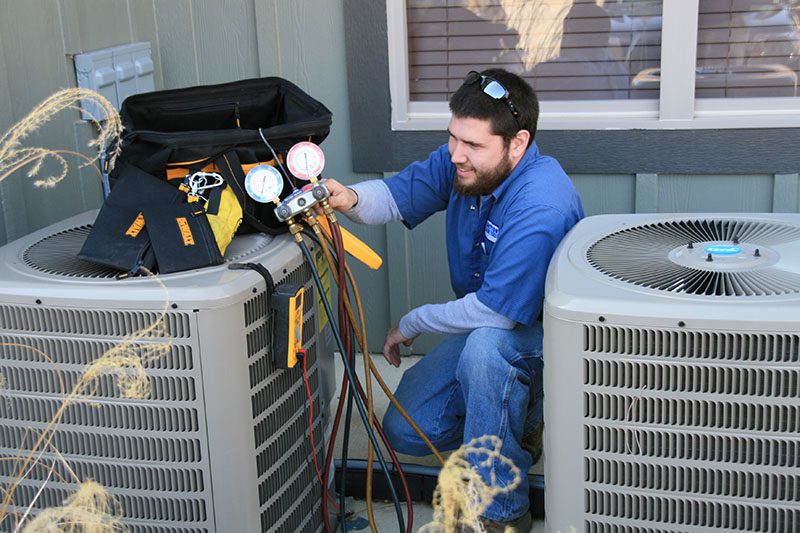
A professional technician examines, cleans, and tests parts, checks refrigerant levels, and makes sure the system runs safely and effectively.
Is HVAC servicing necessary if my system seems to work fine?
Yes, service finds covert problems when they are small, keeps it efficient, and keeps the warranty alive, even if you think it is humming along just fine.