

Key Takeaways
- Licensed electricians are legally necessary in NJ for big work such as new wiring, service panel upgrades, commercial wiring, generator systems, EV charger installations and pool bonding, and you need permits and inspections.
- Service upgrades, or any work on branch circuits, main service equipment or an increased amperage to NEC and NJAC standards always require a licensed electrical contractor.
- Always call a licensed electrician in NJ for commercial projects, standby generators, and high-capacity EV chargers to make sure wiring, transfer switches, grounding, UCC, and local codes are met.
- Homeowners can do limited work on their own primary residence with permits and inspections, but work on rental or commercial properties and any new wiring or circuit alterations need a licensed electrician.
- Unlicensed electrical work presents life-threatening hazards such as fire and shock and voids insurance claims. Therefore, check licenses at the NJ Division of Consumer Affairs prior to hiring.
- Electrician licensure in NJ involves thousands of hours of apprenticeships and classes as well as passing the board. Municipal UCC permits and inspections are required on most covered work.
What requires a licensed electrician in NJ is that any electrical work that impacts safety, wiring, or code adherence. New installations, major repairs, panel upgrades, meter changes, and work for public buildings and rentals require a NJ license.
Local municipalities typically require permits and inspections under the NJ Uniform Construction Code. Homeowners should consult their township building office and always use a licensed electrician to satisfy state codes and prevent fines.
Mandated Projects
New Jersey law restricts certain types of electrical work to licensed electricians to safeguard the public and ensure code compliance. The following subsections outline the key categories of projects that must legally be undertaken by a licensed electrical contractor, including the training and apprenticeship requirements for obtaining an electrician license in New Jersey, the permitting and inspection standards, and the credential benchmarks that support those standards.
1. Service Upgrades
You must hire a licensed electrician to upgrade service panels, increase amperage, or replace main service equipment. These projects alter the building’s main power distribution and can cause shock or fire hazards if completed incorrectly.
Any upgrade must pass NEC, New Jersey Administrative Code, local permitting, and municipality inspection prior to start and after completion. Utility-side connections cannot be modified by unlicensed individuals. Illegal work can result in fines, void insurance, and danger.
Licensed contractors in NJ have to post a $1,000 surety bond and carry no less than $300,000 in general liability insurance. These safeguards are important for service improvements because they mitigate danger to homeowners and tenants when issues arise.
2. Commercial Wiring
Commercial wiring for new construction, tenant fit-outs or renovations requires a licensed electrical contractor. Only licensed professionals can install, alter or repair commercial systems such as lighting, receptacles, dedicated circuits and distribution equipment.
Work must adhere to the UCC and local commercial building codes. Fire alarm systems, emergency lighting, and energy management systems are other licensed work as well. Permits and inspections are par for the course.
The inspector will check wiring methods, overcurrent protection, and code-compliant installation prior to issuance of a certificate of occupancy or approval.
3. Generator Systems
Standby and backup generator setups need a licensed electrician to install transfer switches and integrate the generator with your existing panels. It has to be properly grounded and bonded and follow manufacturer specs and local codes.
Permits and inspections ensure that transfer switches function properly and that the generator won’t backfeed the utility. A licensed professional will determine if service upgrades are necessary to accommodate the generator, avoiding overloads and ensuring safe operation.
4. EV Chargers
EV home and business charger installations have to be done by licensed electricians. Proper circuit sizing, load calculations, and wiring methods safeguard the building electrical system and user safety.
High-capacity chargers might enforce a service upgrade. Permits and inspections verify code compliance.
5. Pool Bonding
Bonding and grounding of pools, spas and hot tubs must be performed by licensed electricians. NEC Article 680 and NJ rules govern this work. Appropriate bonding of metal components and pool equipment eliminates the danger of shock.
Permits and inspections are required.
GET A LICENSE APPLICANTS REQUIRE 576 HOURS OF CLASSROOM TIME, 8,000 HOURS AS AN APPRENTICE, A ONE-YEAR JOURNEYMAN PHASE, A COLOR PHOTO ID AND A HIGH SCHOOL DIPLOMA OR GED. THE COMPLETE PATH LASTS A MINIMUM OF FIVE YEARS.
Legal Exceptions
Legal exceptions in New Jersey reduce the circumstances under which a licensed electrician is legally needed. California state law and local ordinances still require licensed tradespeople for the majority of installation and repair work, but there are few very specific exceptions.
What follows are the contexts, rules, and limits that matter for homeowners and unlicensed workers in New Jersey, with examples and practical notes on work permits, inspections, and apprenticeship laws that govern who can legally do electrical work.
Owner Exemption
Homeowners can do small electrical jobs on an owner-occupied residence, with severe limitations. Owners need to pull all necessary permits through their municipality prior to beginning work and accommodate municipal inspections. Passing those inspections is required to close out the permit.
A homeowner can replace a switch or add a ceiling fan in their own house if they pull the permit and the work meets code. According to owners, they cannot claim this exemption on rental units or commercial buildings. Renting out the home, doing short-term rentals, or doing work on an investment property requires a licensed electrician. It is for owner-occupied homes specifically.
The exemption is restricted to minor home repair and small installations. Significant renovations, such as new circuits, service panel upgrades, or rewiring an entire room, are not covered by the owner exception. Those bigger jobs activate the licensing requirement because they impact the electrical system’s integrity and public safety.
Additionally, there are links to state-wide apprenticeship and licensing standards. Keep in mind that to be licensed, candidates now have to demonstrate completion of a four-year Department of Labor–accredited apprenticeship plus a year as a journeyman. There are alternate paths and degree exceptions, but they don’t affect owner exemption caps.
Minor Maintenance
Some basic maintenance tasks don’t require a licensed electrician. Light bulbs, fuses, and resetting breakers are often tasks that non-licensed persons are allowed to do. Changing a wall plate or swapping out a lamp receptacle that’s not hard-wired could be permitted.
Unlicensed maintenance is limited to non-structural work and shall not include any new wiring, new circuits or alteration to permanent fixtures. If it involves cutting into walls or running new cable or adding a new outlet or changing a breaker configuration, you need a licensed electrician. For example, replacing a broken outlet that requires new wiring demands a pro.
Any maintenance, even minor work, must adhere to local codes and safety regulations. Municipal inspectors may demand you do expensive corrective work or issue citations if unlicensed repairs violate code.
To be clear, licensing regulations go hand in hand with the journeyman timelines, waiting periods for exams, and degree exemptions that regulate who is permitted to perform the complete scope of electrical work.
Code Compliance
Code compliance establishes the floor for what work should be performed by a licensed electrician in New Jersey. It connects state rules, the NEC, and local enforcement, ensuring that installations are secure and reliable. This includes adhering to the educational requirements for electrician training programs, inspections, permits, and licensing rules.
UCC Permits
Any new electrical work, upgrades, and major repairs require a UCC permit. The permit application goes to the local building department prior to work commencing. Only a licensed electrical contractor can pull permits for covered projects. Permits link the work to inspections and recordkeeping at the city.
Exceptions where a UCC permit is not required include:
- Basic maintenance such as minor repairs and like-for-like replacements of fixtures where no new wiring or change in capacity is required includes swapping out a broken receptacle or swapping out a light fixture with the same rating.
- Low-voltage system work occurs below certain levels, like some telecom or doorbell wiring, where the wiring doesn’t tie into building power systems.
- Portable appliance replacement or portable equipment repairs that do not modify fixed wiring or the service.
- Emergency temporary fixes are performed to avoid immediate danger, assuming that a permit is taken out within a brief municipal window following the work.
- Tiny homeowner projects in some boroughs are strictly under local rules and do not change service, though lots of towns still want them. Check the local building office.
Municipal Inspections
Permitted electrical work shall be inspected by the municipal or third-party Electrical Subcode Officials upon completion of the covered stages. Inspections are scheduled at key project milestones: rough-in before insulation and final after fixtures and panels are complete. About code compliance, inspectors check for NEC compliance.
New Jersey is using the 2023 NEC since January 1, 2023, and that’s what they use as a guide. Inspectors may mandate fixes when they find installations that are sub-code or hazardous. They will pass necessary inspections for occupancy and utilities to turn on service.
If inspections don’t pass, work has to be redone, re-inspected, and only then is a certificate of compliance issued.
Common Code Violations and Penalties
| Common Violation | Typical Penalty/Action |
|---|---|
| Ungrounded or improper receptacles | Correction order; re-inspection; fines possible |
| Incorrect breaker sizing or panel work | Mandatory repair, permit revocation risk, fines |
| Missing or failed grounding/bonding | Stop work order; rework; disciplinary complaint |
| Work by unlicensed contractor | Enforcement actions; fines; possible criminal referral |
| No permit for required work | Permit denial; retrofit with fines; delays |
Licensed contractors have to clear two exams (trade and Business & Law), post a $1,000 surety bond and get a license from the Board of Examiners of Electrical Contractors in the NJ Division of Consumer Affairs.
Licenses renew every three years at a $90 fee and need continuing education to remain up-to-date. Unlicensed contracting can lead to disciplinary complaints, fines, returned applications, and months of delay and additional expense.
Licensing Standards
Licensing standards define the minimum requirements for who can legally perform electrical work in New Jersey and what it takes to qualify. These standards combine experience, education, examination, bonding, and continuous education to safeguard assets and individuals.
To qualify for a license, candidates must complete several key steps.
- Finish an approved apprenticeship program that includes a minimum of 8,000 hours of training on the job. This applied work is the main path for most candidates and needs to be recorded with detailed work activities and supervisor validation. Examples include residential wiring, commercial panel work, conduit bending, and troubleshooting circuits under a licensed electrician’s supervision.
- At least 576 hours of associated classroom instruction. The classroom hours usually include the NEC, safety, wiring methods, and applicable math. Community colleges and trade schools in NJ provide courses that satisfy this need.
- Show 5 years of electrical construction and installations in the five years prior to application, unless other education is applicable. An electrical engineering bachelor’s degree can reduce the hands-on experience to two years. Candidates still need to demonstrate related work responsibilities and dates.
- Pass the licensing exams administered by PSI: the electrical contractor exam (three parts: electrical contractor, alarm systems, and business and law) and the separate business and law exam where applicable. A license requires passing scores on each section.
- File your completed application, experience, licensing schooling, and apprenticeship along with the fee of $225 for a 3-year electrical contractor license. Be at least 16 years old and provide proof of identity documents.
- Secure a one thousand dollar surety bond to protect consumers from shoddy work or contract violations.
- Qualify for a background check and practical experience check. Criminal history, lying on an application, or incongruent employment histories can postpone or refuse you a license.
- Maintain licensure through continuing education: 34 hours total, including 9 hours on code and 1 hour on New Jersey laws, rules, and regulations typically every renewal cycle.
- Understand penalties for noncompliance: fines of up to $10,000 and potential criminal charges, including imprisonment of up to 18 months for certain fourth-degree offenses related to illegal practice.
Board Requirements
Licensing Board: New Jersey Board of Examiners of Electrical Contractors. As part of their licensing standards, applicants must submit a completed application, have verified experience and education, and pay filing fees.
The board does background checks and checks on-the-job experience before licensing. It can suspend or revoke licenses for code violations, fraud, or illegal practice. Disciplinary records are public.
Credential Verification
Consumers can check licenses through the New Jersey Division of Consumer Affairs online portal. Contractors have to put license numbers on business cards, contracts, and vehicles for transparency.
Verify credentials prior to hiring and check state disciplinary records and license status to ensure compliance with state law.
Unlicensed Hazards
Unlicensed electrical work presents an obvious and immediate danger to life and property in New Jersey. Work done by untrained or unlicensed people often overlooks code requirements, applies improper techniques, and bypasses inspections. That gap raises the risk of fire, shock, equipment destruction, and costly repairs.
These are real hazards and real reasons to demand licensed electricians for anything that touches a building’s electrical system.
- Improper wiring that creates heat buildup and fire risk
- Overloaded circuits and undersized breakers can result in breaker failure or fire.
- Defective grounding or bond problems result in shock or equipment destruction.
- Unlisted or improper materials used that are not rated for the application.
- Missing permits or inspections that hide code violations
- Voided insurance coverage and warranty claims denied by insurers
- Costly rework, prolonged downtime, and medical bills from accidents
Safety Dangers
Improper wiring, overloaded circuits, and poor grounding are the usual suspects for unlicensed work. Those defects alter the flow of current and the location of heat generation, increasing the risk of an electrical fire. Electrocution and severe injury are the very real results of failing to isolate circuits, miswired outlets, or missing protective devices.
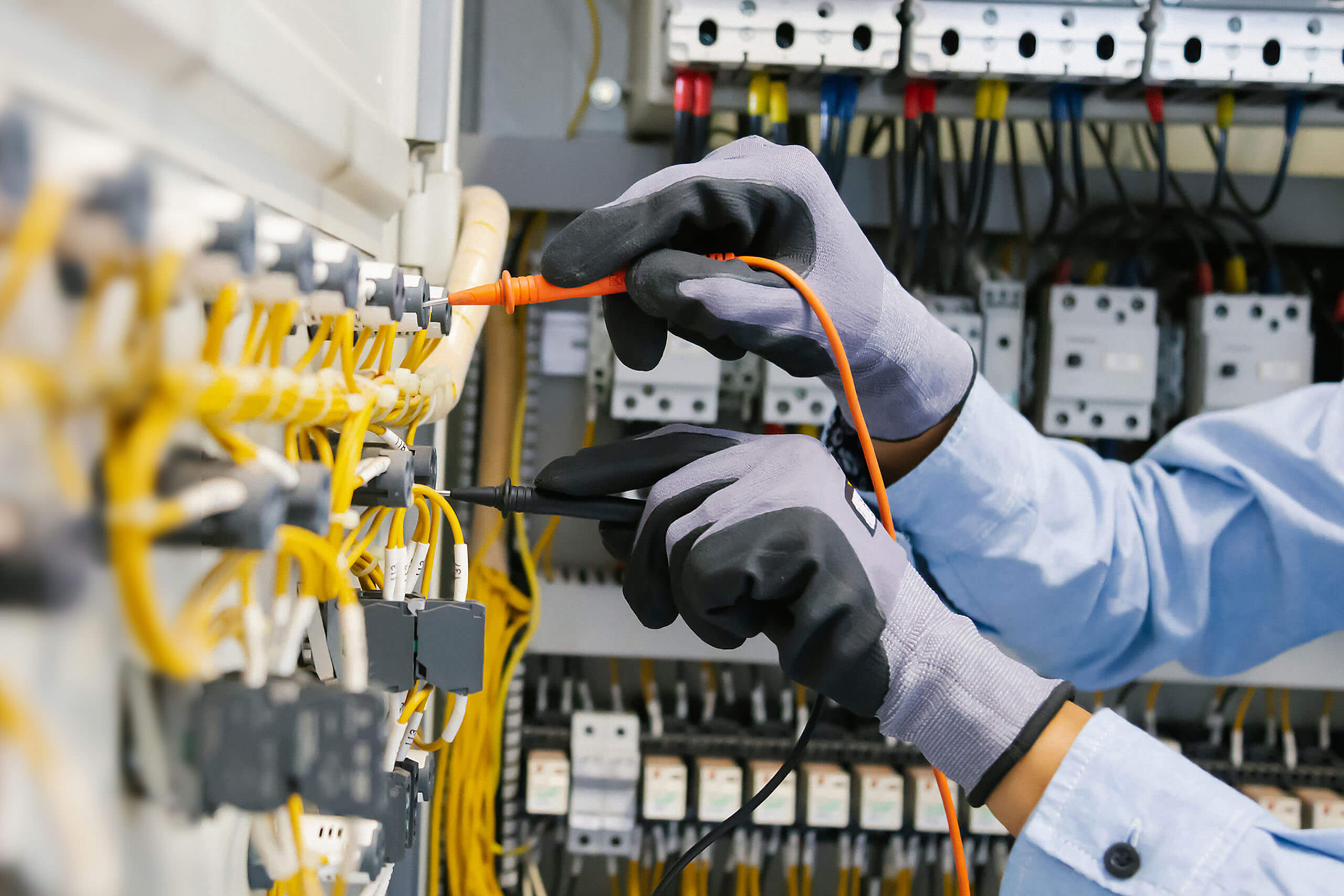
Licensed electricians adhere to the National Electrical Code and local NJ amendments. They appropriately size conductors and overcurrent protection, verify grounding systems, and install devices listed for the application. They come with correct tools and testing equipment to verify safe de-energized work.
Worksite safety procedures and PPE—insulated gloves, arc-rated clothing, eye protection—are second nature to a pro. That training cuts down accidents, hospital bills, and missed work for homeowners and companies alike.
Insurance Denials
Insurance carriers will usually want to see that electrical work was completed by a licensed person and that proper permits and inspections were pulled. Claims for fire, electrical failure or equipment loss related to unlicensed work tend to be rejected.
Whether it’s a basement remodel with a DIY panel upgrade, an unpermitted hot tub hookup or a replaced meter socket done without a license, each can cause denial if damage ensues. Maintain invoices, permits and inspection reports to justify coverage eligibility.
If a carrier identifies non-compliance, you could end up paying full cost for repair, medical, and lost business expenses. Why licensed electricians?
Industry Perspective
Our licensed electricians offer the foundation for quality, dependable electrical service in NJ. They help keep our homes, businesses, and municipal systems humming while minimizing fire and shock hazards. Electricians tackle complicated systems like three-phase power for commercial buildings and need to know electrical physics to size conductors, configure protection, and prevent hazards.
That technical know-how, combined with expertise in wielding conduit benders and testing meters, distinguishes licensed professionals from cobbled helpers and reduces risk for property owners.
Unions, apprenticeships, and trade groups keep the electrical trade skilled and standardized. Labor unions and the like, including the International Brotherhood of Electrical Workers (IBEW) and regional trade associations, operate electrician apprenticeships and advocate codes and best practices.
Apprenticeship programs typically mix classroom instruction with hands-on training, and most states demand that electrical apprentices register a minimum of 576 hours before testing for an electrician license. In New Jersey, for instance, an electrical contractor can take five years or more, which accounts for time learning wiring methods, how to read and apply code, and how to supervise jobs.
Continuing training and continuing education are a part of the industry. Electricians need to stay up to date with the NEC updates, local amendments, and new technologies like EV chargers and smart panels. Professional development usually implies programming courses, security lessons, and practical seminars.
Certifications can consist of specialties like low-voltage or solar. The licensing and application process can be slow. Applicants occasionally encounter delays of a few months, so advanced planning is essential for contractors and employers.
Licensing is different in each state and sometimes by county. A few locations separate home and business licenses or establish separate experience requirements. This quilted nature makes it imperative for New Jersey owners and managers to check local license types and current board rules prior to hiring.
Industry experience in years and hours logged is still a major licensing criterion. Most states mandate some sort of experience or apprenticeship before you can sit for the licensing exam.
Backing authorized builders yields obvious financial and neighborhood advantages. Licensed work minimizes rework, emergency repair costs, and downtime for companies. It provides consistent career trajectories for technicians, from electrical apprentice to class A journeyman electrician, which means local job growth.
The electrical industry is expected to generate approximately 62,200 new jobs by 2029. Investing in licensed professionals protects communities and public infrastructure from electrical outages and fire hazards.
Conclusion
That’s what a licensed electrician does most wiring work in NJ. Big things such as service changes, panel swaps, meter stuff, and new circuits require a licensed electrician in NJ. Easy stuff like swapping out a switch plate or plugging in a lamp doesn’t. Adhere to local code and obtain permits for major projects. Licensed pros understand NJ codes, prevent penalties, and minimize fire danger. Homeowners that use licensed electricians receive inspections consistent with state and local laws. For minor repairs, balance time, expertise, and safety. A loose wire in a panel or hot outlet requires a pro. Need assistance locating a licensed electrician in your area or verifying a license number? Contact me and I’ll direct you to local resources.
Frequently Asked Questions
Do I need a licensed electrician in New Jersey to replace a light fixture?
Yes. Replacing hardwired light fixtures typically requires the expertise of a licensed electrician in NJ, especially if it involves new wiring or changes, which may necessitate an electrician training program.
Are outlet or switch replacements required to be done by a licensed electrician?
Light switches and outlets that don’t require any wiring modifications may be permitted for homeowners to perform, such as minor replacements of existing switches or outlets. However, any changes to wiring, new circuits, or work in rental or commercial properties requires a licensed electrician, specifically a class A journeyman electrician, according to NJ standards.
Does installing a new circuit or subpanel require a licensed electrician?
Yes. Adding new circuits, subpanels or a service panel upgrade have to be done by a licensed electrician and typically need a permit and inspection according to New Jersey electrical code.
Do generators, EV chargers, or HVAC electrical hookups need a licensed electrician?
Yes. NJ needs a licensed electrician for permanent generator installs, EV charger circuits, and HVAC electrical connections, which require permits to ensure compliance with the electrical trade and safe installation.
Are there legal exceptions for homeowners doing electrical work in New Jersey?
There are limited exceptions in each municipality, but most towns will allow homeowners to perform small work on their own residence. However, the majority of electrical work still necessitates an electrician license, along with permits and inspections.
What are the risks of hiring an unlicensed electrician in New Jersey?
Hiring an unlicensed person risks failed inspections, voided insurance, safety hazards, fines, and liability for fire or injury. Licensed electricians, especially those with an electrician license in New Jersey, protect you and ensure NJ code compliance.
How can I verify an electrician’s license and permits in New Jersey?
Check out the NJ Division of Consumer Affairs and your local municipal construction office. Request the electrician’s license number and evidence of permits and inspections before beginning work.