

Key Takeaways
- When your air conditioning unit starts, it creates a surge in electrical demand that can temporarily dim your lights due to inrush current and voltage drop.
- Overloaded circuits or antiquated wiring can exacerbate dimming problems. Balancing electrical loads and updating wiring can enhance system reliability.
- Routine check-ups of your AC unit and electrical elements identify worn-out parts or inefficiencies that are driving up power consumption.
- Safety risks, including overheating and fire hazards, can result from persistent dimming. This makes prompt professional evaluation important.
- Tracking dimming patterns and leveraging diagnostic tools such as a multimeter assist in pinpointing the root of electrical issues.
- Soft starters, hard start kits, and energy management systems can minimize inrush current and improve energy efficiency for a more dependable power source.
Lights often dim when the AC turns on because the air conditioner draws a lot of power at startup, which causes a brief drop in voltage.
Your home wiring and panel size can make this more noticeable. If your house is older or has a lot of appliances on the same circuit, it may be more noticeable.
Understanding why it happens helps you identify whether it’s normal or whether there might be a more serious electrical issue. The next sections break down these causes in detail.
The Electrical Demand
The moment an air conditioner kicks on, it sucks down a ton of power immediately. This abrupt electrical demand can dim your lights at home briefly. Most homes have circuits that are shared between lights and large appliances, so the impact is generally simple to identify. Moderate dimming of less than a second and about 5% brightness reduction is frequently normal.
When lights sag by 30 to 40% or flicker for an extended period, it’s an indicator of a problem. The size of the AC, the age of your wiring, and how many appliances share one circuit all factor in.
1. Inrush Current
Inrush current is the electrical surges used to power motors in air conditioners. When the AC kicks on, this demand can be multiple times higher than the running current. The compressor and fan motors require that additional force for startup.
That demand spike causes a momentary drop in power to the rest of your house that can manifest as dimming lights. If your lights dim for more than a nanosecond, or the circuit breaker flips, it’s a clue the inrush is taxing your system. Old breakers or poor wiring can exacerbate the situation, causing increasingly frequent dimming or even creating hazards.
2. Voltage Drop
Voltage drop refers to the loss of electrical pressure that occurs when a substantial load, such as an air conditioner, fires up. When this happens, voltage accessible to other equipment decreases for an instant. Tiny sags, displayed as momentary, slight dimming, are fine if they are small and last less than a second.
If lights or appliances have difficulty working or if brownouts are common, there may be underlying wiring or supply problems. It helps to employ a voltage monitor to verify if your voltage remains within the secure range. If you observe major swings, you may need to inspect for wiring defects or excessive circuit loads.
3. Circuit Load
Circuit load is a total of all the power consumed by appliances sharing a circuit. A heavy load, such as an AC and other power-hungry equipment, can nudge your system to or beyond its safe threshold. If too many high-power devices run at once, lights can dim more than normal or flicker.
To prevent this, it’s beneficial to distribute appliances among various circuits. Dedicating the AC to its own line is a great way to reduce dimming and keep lights stable. Initialized circuits are a stinker. If you see flickering, then it’s time to check out your home’s wiring.
4. System Response
Wiring issues, such as loose connections or antiquated cables, can make even slight load fluctuations result in significant brightness dips in lights. If your electrical service isn’t sized for today’s appliances, you could experience more dimming as new devices are added.
Occasionally, utility power is not as stable as anticipated, which can produce voltage sags that dim lights. If your lights flicker frequently, it’s probably a good idea to have a licensed electrician take a look at your wiring and circuits. This helps eliminate major issues and ensures your system can support you.
Underlying Issues
Dimming lights when an AC kicks on frequently indicate more than a temporary annoyance. A momentary drop in brightness of 5% or less for a split second is normal as heavy appliances pull current. Sustained or extreme dimming can be an indication of more significant electrical issues. In others, it may be wiring faults, inadequate panel capacity, or problems with the AC unit itself. These lagging causes can manifest unsafe conditions if they go unchecked.
Wiring Integrity
Loose wiring connections continue to be a frequent cause of flickering and dimming lights. These line weak spots are susceptible to voltage sags, which become more apparent when a big power hog such as an AC unit comes on. Frayed or worn down wires, common in older homes, are another source of voltage dissipation.
Holes in the insulation or corrosion at connectors can contribute resistance, causing the system to work harder and creating a greater likelihood of flickers. If the wiring was put in place before safety standards were established, or if your house has been recently renovated, there is an increased risk that your wiring may not safely accommodate modern electrical demands.
Replacing old, frayed wiring with new wiring promotes safety and dependability. An older home with aluminum wiring can’t support the additional burden of your new appliances, rendering upgrades necessary for safety purposes.
Service Capacity
Electrical panels can only handle so much, usually in amperes. If your panel is too small for your household, you might experience frequent breaker trips or dimming lights when multiple high-powered devices operate simultaneously. Older homes were not built for today’s energy consumption.
This can imply the wiring and panel aren’t up to the task of sustaining multiple large-scale appliances, such as an AC, refrigerator, and electric oven. A consultation with a licensed electrician will help you gauge whether the service capacity is sufficient for your demands. Occasionally, a panel upgrade can eliminate these voltage drops and keep solid power to every appliance.
External Factors
External factors impact voltage stability. Weather shifts can impact the power supply to your home, particularly during extremes when the demand for energy is at its highest. Utility transformers that provide power to several houses may occasionally be run below capacity when many AC units fire up simultaneously, causing voltage to sag in a whole neighborhood.
Seasonal patterns, such as summer heat waves, will further strain local grids and make dimming more apparent. Checking your power source and being aware of these external forces keeps you on track to finding the actual cause.
AC Unit Condition
The AC’s age and condition play a role in how much juice it requires to start. Older units commonly pull more power at startup, which takes a toll on your home’s electrical system. Worn-out parts, for example, the compressor’s run or start windings, can cause resistance and shorts, resulting in more serious dimming.
The AC’s start and run capacitors are central to efficient operation. If they deteriorate, the compressor can become hard to start, pulling more power and dimming your lights even more. Back electromotive force (BEMF) from a bad compressor can distort voltage readings, deceiving diagnosis.
Yearly upkeep keeps these parts in tip-top shape, assisting the AC in running smoothly and reducing electrical surges around your house.
Appliance Condition
The state of your air conditioner determines how your home’s electrical system reacts once your unit initiates. Older or less efficient ACs pull more power, which can dim lights by as much as 30 to 50 percent if a vital component like the capacitor is going out. A tiny flash dim, during which lights dim by approximately 5 percent for under a second, is common. A serious dimming indicates a more serious issue.
This matters especially in places where your safety, comfort, and system reliability count.
Unit Age
Examining the age and physical condition of critical AC parts, such as capacitors, motors, and contactors, can reveal early stages of wear. Worn-out parts tend to make the AC work harder to start, generating greater inrush currents and more dimming. If left unchecked, aging or failing components don’t just stress the AC system; they can put additional strain on the electrical wiring.
By scheduling routine checks, you catch these problems early, lessening the chances of them causing a sudden breakdown or larger electrical issues in your home.
Component Wear
Serious dips in brightness when the AC kicks on can frequently be attributed to bad parts. The capacitor, for example, stores and releases energy to assist the motor’s startup. A dying capacitor can’t provide the required power, so when the AC kicks on, it uses much more electricity, causing lights to flicker or dim intensely.
It’s not just capacitors; motors, relays, and wiring can all wear over time. Repairing or replacing these components at the first sign of trouble keeps the system operating smoothly and wards off more severe wiring problems that could impact both comfort and safety.
Efficiency Rating
Not all air conditioners are equally power-hungry. Older or traditional outdoor units require extra power during start-up compared to newer, high-efficient ones or geothermal. Efficiency ratings such as the SEER (Seasonal Energy Efficiency Ratio) are a great way to help you select a unit that uses less power and stresses your home’s electrical system less.
Installing a new energy-efficient AC will not only reduce energy, it can minimize or even eliminate the apparent ‘light dimming’ when it kicks on.
Safety Risks
Wiring issues associated with AC units can do more than dim your lights. Overheating circuits or fires are possible. When lights dim really bad or flicker for more than a millisecond, it can be a sign of electrical stress or bad wiring.
These are hazards and should be managed by a technician. Safe electrical checks, particularly in the aftermath of witnessing strange dimming or flickering, remain essential to securing your abode and ensuring your systems hum.
Potential Hazards
Dimming lights when AC kicks on can be a sign of underlying electrical problems. These signs can indicate risks to safety and the operation of home or office systems. Knowing what they are and how to mitigate them is essential for anyone looking to prevent electrical harm, loss, and even injury.
Overheating
With excessive loads from appliances like air conditioners, they often run hot. If allowed to fester, this heat can accumulate and cause insulation to degrade or wires to sag. A connection that’s even 20 degrees hotter than surrounding components is a death sentence.
Little indicators provide early cautions. If you hear crackling, experience a performance dip, or detect a burning smell in or near outlets or panels, these are red flags. Occasionally, components such as breakers or wires become so overheated that they stain or melt.
These aren’t problems to brush aside because the dangers simply accumulate. Inspect electrical panels, outlets, and cords for any of these indicators. Ensure there is adequate ventilation surrounding equipment, as clogged vents or cramped areas contribute to heat.
If overheating persists, a qualified electrician should inspect the system to identify and repair concealed defects.
Component Damage
Electrical components bear the brunt of overloads and voltage spikes. When the AC comes on, it can drop the voltage, stressing power supplies and motors. Over time, this can fry motors, corrode wires, or destroy delicate electronics.
Defective or antiquated wiring exacerbates these issues and can cause a total system crash. Electrical fires from bad connections kill hundreds of people annually. Circuit breakers are a critical second line of defense.
Making sure you have the correct breaker for each circuit and testing them regularly can prevent a lot of fires. Place smoke detectors and fire extinguishers near heavily utilized outlets. Educate everyone at home or in the office about signs such as buzzing, burning smells, or flickering lights.
These are warning signs that something is amiss and should be remedied immediately.
Fire Risk
Identifying flickering or dimming lights isn’t simply about convenience. It’s about protecting your safety. Begin by observing the circumstances under which the dimming occurs.
If it coincides with the AC or some other large appliance kicking on, this suggests an overload or voltage drop. Random flickers or brighter lights may indicate loose or damaged wiring, which is a severe hazard.
Inspect the circuit breaker panel for any tripped breakers. With a multimeter, check the voltage of outlets. Fluctuating or low safe level readings require a professional’s attention.
If not repaired, loose connections can result in shocks, fires, or permanent equipment damage. Frequent check-ups and immediate fixing are the surefire way to avoid loss or injury!
Diagnostic Steps
To diagnose why lights dim when the air conditioner kicks on, look for patterns, inspect your breaker panel, and measure voltage at critical points. Not every dimming is a big deal. Many houses experience a very short, slight decrease in light luminosity when the AC turns on.
Still, a routine diagnostic step is to determine if the problem is run-of-the-mill or indicative of something larger like current wiring issues or overloaded circuits.
Observe Patterns
Follow which lights dim and when. Monitor for fluctuations whenever the AC or other heavy appliances such as washing machines and water heaters are switched on. Make note if dimming occurs for just a moment or persists.
Seconds-long dips in brightness, particularly those with 30 to 40 percent drops, may be indicative of a more severe electrical problem. Record their frequency and whether they correspond with specific times of day, for example, when more appliances are operating.
This sort of observation aids in identifying patterns, such as when dimming typically occurs during peak usage or when multiple high-load appliances are running. Maintain a log, or even a simple spreadsheet, to record each dimming event.
Specifics like the time, rooms involved, and which appliances were operating can assist. If you collaborate with an electrician, these notes will make his or her work speedier and more precise.
Check Breakers
Begin at the electrical panel. Inspect all circuit breakers for any signs of wear, burning, or tripping often. Occasionally, a frequently tripping or warm-to-the-touch breaker isn’t meeting the requirements placed on it, particularly if multiple high-voltage appliances are connected to the circuit.
Reset any tripped breakers and observe carefully to determine if the light dimming resumes as soon as the AC kicks on. A recurring problem following a reset could indicate a more serious wiring or capacity problem. Identify which breakers feed large appliances.
If you notice a trend connecting a particular breaker to recurring dimming, it may be time to swap out that breaker or reconsider how appliances are allocated across your circuits. Defective breakers need to be replaced promptly to maintain system integrity and avoid more serious hazards.
Use A Multimeter
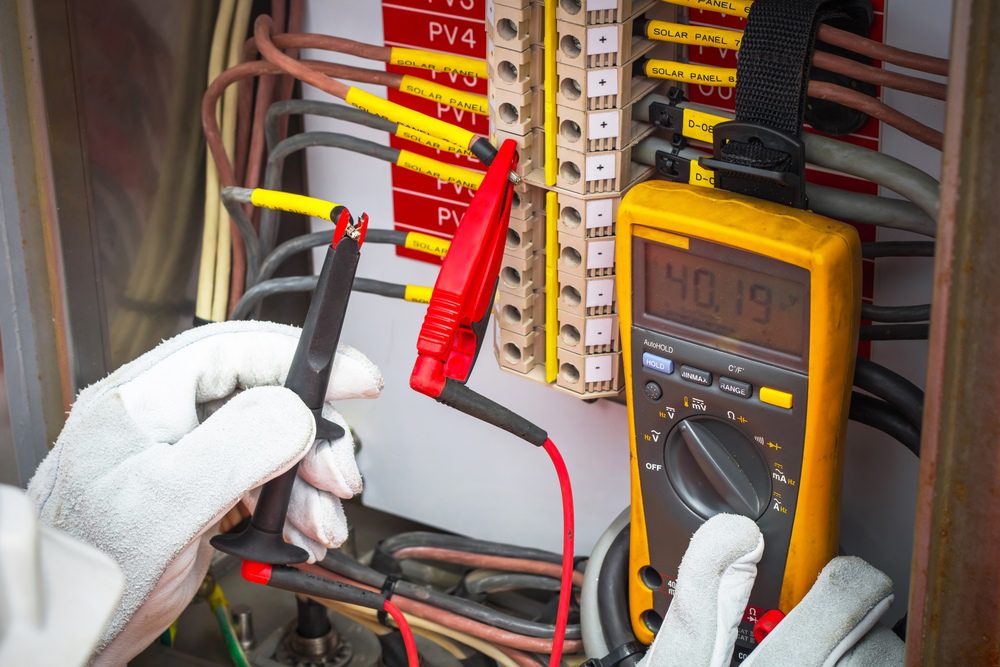
Step 3: Pull out a multimeter to diagnose your voltage. Begin by checking voltage at every outlet where lights dim. Then go check the main panel. When the AC or other big appliance kicks on, look for those dips.
A normal voltage dip is approximately 5 percent. If readings indicate drops significantly larger than this, you might have an issue with your wiring or your main electrical supply. Record each reading throughout multiple days.
This log indicates whether the voltage sags are consistent or deteriorating. If voltage remains low or dips sharply every time the AC kicks on, it is a good idea to have a licensed electrician test the system further and suggest safe fixes.
Explore Solutions
If dimming is more than a blip or your voltage readings verify a bigger drop, there are diagnostic steps to help. Soft starters and hard start kits for AC units can reduce the big power surge that occurs when the compressor kicks on.
These devices can even out the load and prevent dimming lights as well. Smart grid tech can help level the power coming into your home, so that peak usage times aren’t as taxing.
Energy management systems allow you to visualize and manage which appliances operate simultaneously, distributing load and reducing the chance of dimming. Each of these tools is worth checking out if periodic inspections indicate that your home’s wiring or panel isn’t up to your demands.
Beyond The Flicker
When your air conditioner turns on and the lights flicker, it’s usually more than a minor nuisance. This effect typically results from a spike in electrical demand, which can indicate a more fundamental problem with a home’s wiring or power grid. At times, it can sag as much as 30 to 40 percent, particularly if the system has difficulty booting or if several power-hungry devices are on the same circuit.
Although a brief, minimal drop of around 5 percent for less than a second is typical, larger dips can indicate an issue like overloaded circuits or insufficient wiring. Soft starters, hard start kits, and other innovations in smart grid technology are practical solutions to these problems that help keep lights steady.
The Soft Starter
Soft starters enable AC units to ramp power up slowly. Instead of a surge of power at startup, they ramp the power up over a small window. This step-down approach helps cut the inrush current, the sudden spike that all too often leads to lights dimming.
By mitigating that first surge, soft starters stop lights from dimming and can reduce stress on compressors. This shields the lighting and can even assist in extending the life of the AC unit itself. For energy savers, soft starters can increase efficiency, especially in houses that have less sturdy or older electrical infrastructure.
They install on most new systems, but not every setup. It’s wise to consult an HVAC technician before you change since every home and AC may be different.
The Hard Start Kit
Hard start kits are another weapon that has helped AC units handle that brutal first second when the compressor kicks on. They tend to have a capacitor that provides a quick burst of power, which adds torque and helps the motor accelerate. That boost diminishes the voltage dip, so the lights don’t flicker as intensely.
Hard start kits are particularly useful for retrofitted older units or ones that appear to ‘huff and puff’ their way to startup. In households with chronic flickering, these kits can reduce the load on both the compressor and the electrical system.
They perform nicely when a lot of appliances are on the same circuit. If thinking about a hard start kit, it’s best to verify compatibility with a technician. Certain compressors require a particular kit in order to operate safely and effectively.

The Smart Grid
Smart grid is transforming the way homes consume electricity. Equipped with real-time monitoring and load balancing, smart grids can detect demand spikes and redistribute loads to maintain voltage. That leads to fewer flickers that dim lights.
These systems could learn usage habits and optimize energy flow during peaks. As homes connect to smart grids, the possibility of escaping flicker from high-demand appliances grows. Homeowners can benefit from staying current on these technologies, as newer grids tend to be more reliable and efficient.
The Importance of Electrical Awareness
How demand impacts lighting is key for all homeowners. Frequent inspections and prompt repairs can keep minor problems from becoming safety hazards. For persistent or severe dimming, it’s worth having a pro check the wiring, circuits, and appliances.
Swapping in more modern, efficient pieces can add security and coziness.
Conclusion
Lights dip for a reason. Air conditioners draw an intense amount of power at startup. Old wiring, loose connections, or an aging breaker may contribute to the burden. Minor dimming every so often might not signify anything, but consistent or significant drops can indicate serious issues. These problems can risk bigger dangers, such as fire or damaged equipment. Watch for flickering lights, listen for strange noises, and pay attention to any burning odor. Many people catch the issue early and address it before it escalates. Want to maintain your house secure and steady? Get a check-up from the pros. Be vigilant about what your lights are telling you; little hints can keep huge trouble at bay.
Frequently Asked Questions
Why do my lights dim when the AC turns on?
Here’s why your lights dim when the AC kicks on. This sudden demand can briefly reduce voltage, which makes lights flicker or dim momentarily.
Is it dangerous if my lights dim when the AC starts?
Rare or intermittent dimming isn’t usually dangerous. Repeated or serious dimming can point to wiring problems or overloaded circuits. Have a certified electrician check your electrical system for safety.
Can dimming lights damage my appliances?
Small, momentary dimming won’t damage appliances. Frequent or extended voltage drop can reduce the lifetime of delicate electronics. Fix electrical problems soon to save your equipment.
How can I prevent my lights from dimming when the AC runs?
To stop dimming, you can upgrade electrical wiring, install a dedicated circuit for the air conditioner, or use a soft-start device. Check with a licensed electrician for best results.
What does frequent dimming indicate about my electrical system?
Regular dimming could indicate overloaded circuits, antiquated wiring, or a faulty main breaker. These are problems that require professional evaluation to prevent fire hazards or equipment destruction.
Should I be concerned if only some lights dim when the AC kicks on?
If only some of the lights are dimming, it can indicate particular circuit issues or an unbalanced load. A licensed electrician can find and solve the source.
Does the age of my air conditioner affect light dimming?
Yes, older ACs may need more power to spin the motor up to speed and cause you to see more noticeable dimming. Routine servicing or switching to newer models can mitigate this problem.