
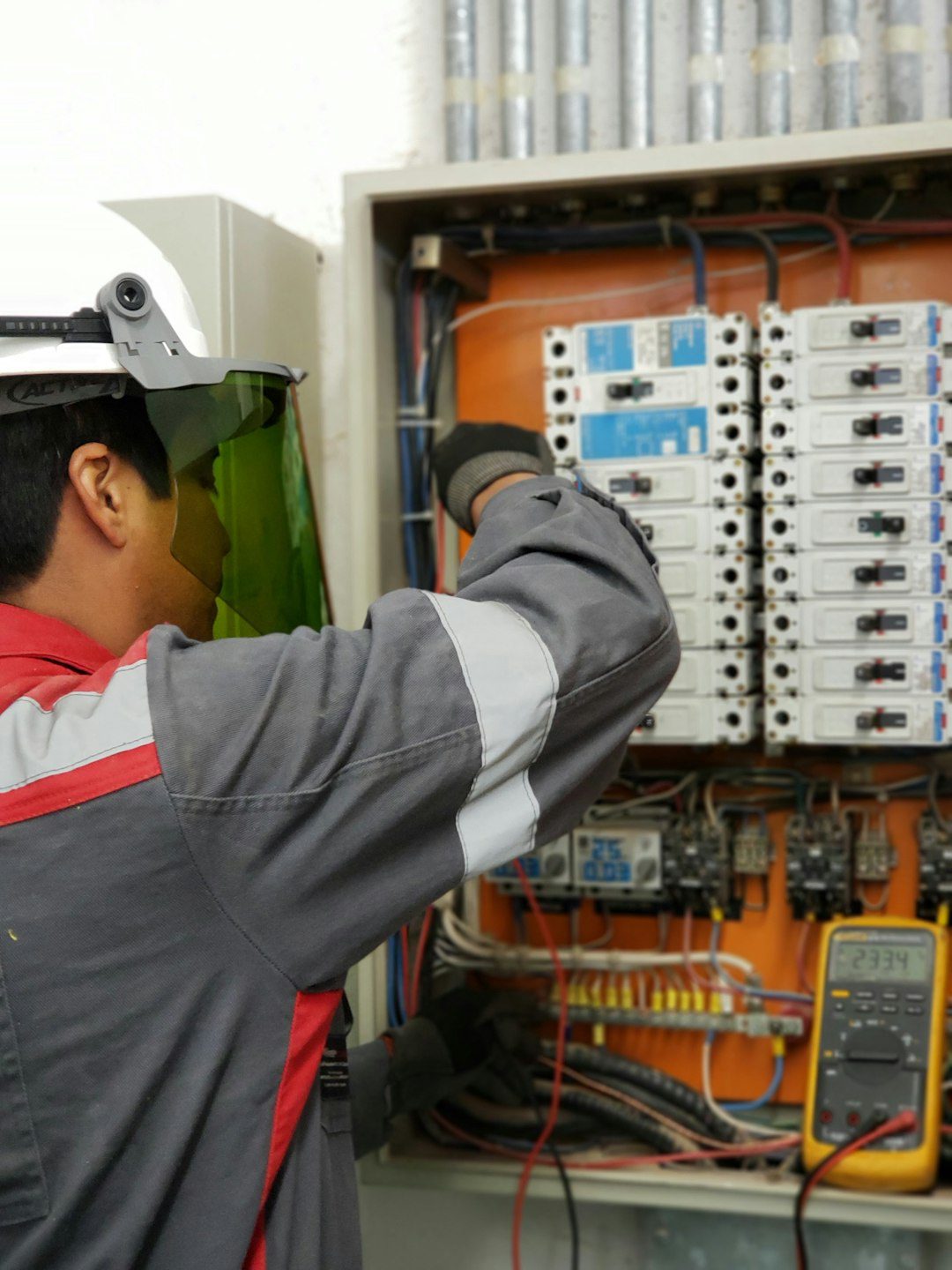

Key Takeaways
- A 200 amp panel upgrade generally has four primary cost factors: materials, labor, permits, and inspections. The breaker box itself typically runs from $800 to $1,200. Total costs climb if meter box replacement or rewiring is required.
- Labor is a big chunk of the bill because licensed electricians invoice hourly rates that differ by region and by complexity. Costs rise for relocations or complicated wiring.
- Most areas would require permit and inspection fees which typically run from 50 to 300 dollars, so plan for these and verify if inspections are bundled or separate billing.
- There are hidden charges that can pop up if wiring is frayed or antiquated or if you require meter box replacement, subpanels, or utility coordination. Reserve a contingency to keep surprises at bay.
- Installation complexity, wiring condition, accessibility, and any added features like smart panels or subpanels all affect the final price. Get a detailed, written estimate and ask for a cost breakdown.
200 amp panel upgrade cost
On average, a 200 amp panel replacement will cost USD 1,800 to USD 4,000 for most U.S. Homes. They depend on labor rates, permit fees, breakers, and any wiring or meter work required.
More high-end jobs with home rewiring or panel relocation can run $6,000 and up. Knowing typical prices, permit requirements, and contractor estimates assists with budgeting and scheduling the upgrade in the main guide below.
Upgrade Costs
There are a few cost components that go into upgrading to a 200 amp service. Here’s a transparent explanation of what impacts price, followed by targeted info on labor, materials, permits, sneaky fees, and location differences so you can plan precisely.
- Materials — New 200 amp panel, breakers, wires, service entrance cables, grounding rods, connectors, and mounting hardware. Smart panels are pricier.
- Labor includes licensed electrician hours for disconnecting the old panel, installing the new panel, wiring, testing, and ensuring code compliance. Complexity and moving increase charges.
- Permits and inspections — Local permit fees and inspection charges are necessary to comply with safety codes. Some localities combine inspection fees with permits.
- Extra scope — Meter box replacement, utility coordination, subpanel installation or rewiring increase the total and can cause broad cost disparity.
1. Labor Expenses
Labor is a significant portion of the invoice and frequently accounts for 30 to 50 percent of the work. Electricians usually bill hourly, with rates varying by location and job difficulty. Work that involves relocating the panel, repairing ancient wiring, or working with utilities requires more time and drives costs higher.
Labor consists of safely shutting down the old system, mounting and wiring the new panel, labeling the circuits, testing, and final code inspections. If you are talking about full service upgrades that require utility coordination, then anticipate much higher labor and scheduling overhead.
Projects like these can push totals into the range of $5,000 to $30,000.
2. Material Prices
Material costs include the panel itself, breakers, service cables and small hardware. A simple 200 amp breaker box with breakers typically runs between $800 and $1,200. Adding a couple of grounding rods, connectors, conduit, service entrance cable, and the parts tab just keeps on growing.
Going with premium brands or a smart panel drives material costs up. Smart panels typically cost between $3,000 and $5,000 and can occasionally stave off more extensive utility upgrades.
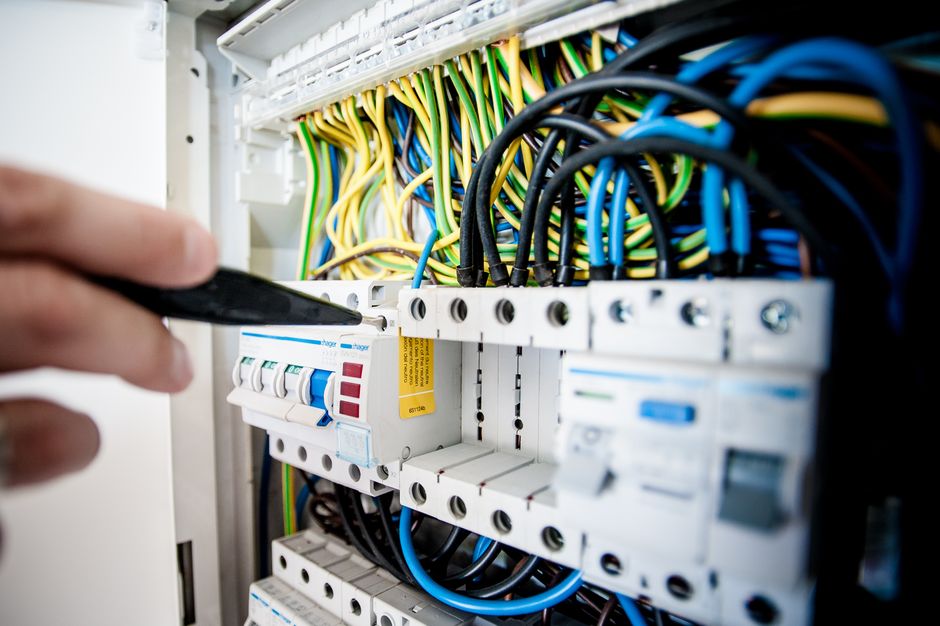
For full 100 to 200 amp upgrades, homeowners typically encounter overall project costs in the $4,700 to $7,450 range when materials and labor are added together.
3. Permit Fees
Panel upgrades require permits in most jurisdictions. Permit fees typically range from 50 to 300 in stable currency, but this is dependent on scale and regional politics. Some locations have separate inspection fees, whereas others roll inspections in with the permit fee.
Proper permitting ensures the work meets safety codes and avoids fines or later resale issues. Skipping permits is risky and often increases long-term costs.
4. Hidden Charges
These include damaged wiring, older knob and tube, or meter box requirements. Pre-1960 homes getting an upgrade from 60A service frequently need between $4,000 and $8,000 to reach 200A, and the knob-and-tube rewiring can add between $10,000 and $30,000.
Replacing a meter box or adding a subpanel adds to the bill. Plan a contingency to prevent surprises.
5. Regional Variances
Upgrade costs range broadly by area. Northeast markets are 40 to 60 percent more expensive than Southern states due to union labor and codes. Cities typically run higher than the country.
A local cost calculator keyed to postal code provides exact estimates.
Upgrade Rationale
Upgrading to a 200 amp panel addresses obvious shifts in home power usage and safety and resale concerns that savvy homeowners care about. It highlights why so many older homes need this change now and what the upgrade mitigates in terms of risk and future-proofs technology.
Safety
A 200 amp panel reduces the risk of circuit overload fires. Homes from the 1980s typically have 100-amp panels that were fine with legacy loads, but are often operating close to capacity with modern-day appliances.
Older panels, particularly those installed prior to the 1960s, contain antiquated components that increase the risk of shocks, fire, or electrocution. Newer panels offer more protection from surges and defective wiring.
They have new breakers with better trip characteristics and often better grounding and arc-fault protection. Upgraded systems prevent nuisance breaker trips and blackouts by connecting breaker capacity to actual load, so circuits don’t constantly trip during everyday usage.
If a home is 25 years or older, the wiring usually requires inspection or replacement when the panel is upgraded. Panel upgrades along with replacement of old wiring eliminate concealed dangers and bring the system up to date with code.
Code compliance alone enhances household safety because it demands new protection that wasn’t standard decades ago.
Capacity
A 200 amp panel can handle the higher power demands from multiple large appliances and numerous small devices being used at the same time. Contemporary kitchens, laundry rooms, and home offices attract a lot more present-day appeal than the ones in the old model.
More panel capacity stops overloads when a few heavy loads run simultaneously, like an electric range, heat pump, and multiple EV chargers. Greater capacity simplifies future expansions.
If you’re going to add finished space, a workshop, or heavy HVAC, a 200 amp service lowers the possibility that you’ll require another upgrade. Today’s homes need more dedicated circuits for electronics, smart systems, and kitchen appliances.
A bigger panel accommodates that growth while maintaining circuit balance. Plenty of headroom ensures critical equipment stays humming. Instead of balancing loads or blacking out during key times, homeowners receive consistent service for refrigerators, medical equipment, security systems, and communication devices.
Future-Proofing
Upgrading now positions the home for EV chargers, solar inverters and whole-house energy management. A bigger panel size prevents repeat upgrades as demand increases, saving time and enabling phased investments such as adding solar down the road without the need for rewiring.
Future-proofing powers home automation and monitoring that depends on reliable, robust power. Think long term electricity trends, including more electrification and more devices per household, when choosing panel size.
One of the biggest cost drivers for upgrade is the size of the home, so match capacity to probable future loads, not current minimums.
Price Variables
In upgrading to a 200 amp panel, there are a combination of predictable costs and site-specific factors that influence the ultimate pricing. Here are some of the major variables that tend to cause price variation with examples to help clarify the trade-offs.
- Installation complexity, wiring condition, and accessibility impact final price.
- That said, the sneaky problems in existing wiring can increase labor and material requirements.
- Adding subpanels or smart panels adds parts and labor expenses.
- There may be additional fees or coordination needed for utility company rules and transformer work.
Installation Complexity
Complex jobs, like relocating the main panel to another wall or changing the service entrance, involve additional time and specialized labor and can add between $1,000 and $2,700 for relocation alone. Taking service wires from an older cable to new conductors means opening walls and pulling new conduit, which drives both materials and labor upwards.
Expect larger projects to drive total costs well into the $2,000 to $4,000 range for major rewiring. Homes with tight basements, steep roofs or multi-level utility runs require additional labor hours. A simple swap where the new 200 A panel fits the old footprint could run you between $1,300 and $3,000 total, including parts and labor.
If major renovations accompany the upgrade, contractors might need to schedule other trades and bog down the timeline, which increases the cost. Older homes frequently conceal deteriorated wiring or cloth-insulated cables that necessitate complete circuit replacement, and that rewiring inflates the overall project cost far above panel-only quotes.
Code Compliance
All upgrades to be done have to comply with current national and local electric codes. Retrofits can frequently cause a need to update grounding, bonding, or AFCI/GFCI protection. Getting grounding and neutral systems up to code can add parts and work.
Little things like new grounding rods and connectors are inexpensive but labor-heavy in certain types of soil conditions. Inspections and permits, for example, are standard. Permit fees typically run between $50 and $300. If you fail an inspection, you’ve got rework that adds time and cost.
Code compliance minimizes future safety hazards and protects your insurance coverage. Insurance companies can refuse a claim if work wasn’t permitted and inspected. It’s often what stands between the final inspection and the gate that releases utility reconnection and closes the project.
Panel Selection
Select panel size according to present loads and anticipated growth. Standard residential choices are 100 A, 150 A, 200 A, and 400 A. A 100 A panel might run between $100 and $200 for the unit, but the total installed price averages between $850 and $1,450 once labor is factored in.
Upgrading to 200 A usually costs between $1,300 and $3,000, and larger upgrades to 400 A can range from $2,000 to $4,000 or more. Panels alone run about $100 to $500 or more for premium or smart brands. Smart panels and good brands are more expensive initially but can save you time and add capabilities down the road.
Leave room or consider subpanels. Adding a subpanel typically runs $400 to $1,750, depending on size and complexity. For breaker and main switch replacements, internal damage repairs can range from $500 to $2,000.
Installation Steps
Here’s what goes into upgrading to a 200 amp panel, from start to finish. Here’s a concise explanation of each step along with a planning checklist to minimize downtime and surprise expenses.
Checklist for planning and minimizing outages:
- Schedule utility company shutdown 3–7 business days in advance
- Confirm contractor availability for the agreed date
- Determine which circuits need to remain active and organize rental power if necessary.
- Clear work space around meter and panel.
- Plan for a 4 to 8 hour work window on install day, more if things get sticky.
Initial Assessment
Electricians start by examining your current panel, meter, and exposed wiring. They check for worn out parts, undersized service entrance cables and any code violation work.
Afterwards comes a load calculation that uses anticipated appliance and lighting loads to verify if 200 amps is indeed appropriate or if a larger service will be necessary. The evaluation will highlight necessary fixes, like rusted connectors or knob-and-tube wiring that impact safety and punch-list pricing.
This step provides a more precise estimate based on enumerating parts, labor, any utility coordination requirements and any code-related upgrades that need to be done prior to installation.
Professional Work
Our licensed electricians take care of panel removal and installation from start to finish. On installation day, the power shutoff comes first. This safeguards both crew and property.
Our technicians remove the old panel, replace or upgrade your service entrance cables if necessary, and install your new 200 amp panel. All wiring connections, grounding, and breaker installs are done to code.
Electricians schedule temporary power off and on with the utility, a scheduling that takes 3 to 7 business days. Standard installs require 4 to 8 hours. However, older homes or additional rewiring can increase that.
Labor usually accounts for 40 percent to 60 percent of cost, and any extra jobs such as swapping out a fuse box or redoing circuits will add time and cost.
Final Inspection
A city or county inspector inspects the completed upgrade to verify code compliance. Passing inspection comes before restoring full power in most jurisdictions.
Inspectors make sure that you’ve wired everything properly, grounded things securely, installed the right size breakers, and labeled your circuits appropriately. They make sure any fixes recorded in the evaluation were actually carried out.
Passing inspection means it’s safe and legal and protects the homeowner from future liabilities. If the inspector finds problems, electricians have to fix them and ask for another inspection, which can increase time and expense.
Contractor Selection
Contractor selection is the most critical aspect of planning a 200 amp panel upgrade. A good electrician minimizes risk, keeps you code compliant locally, and helps manage costs that can vary widely, from roughly 1,000 to 3,000 for panel replacement to 5,000 to 30,000 for a full service upgrade.
Consider contractor selection as risk management: verify credentials, compare quotes in detail, and insist on a clear contract that spells out scope, timeline, and costs.
Verify Credentials
Verify the electrician’s license and insurance are current. Request to view license numbers and confirm them with the issuer. Audit general liability and workers’ compensation limits. A forgotten policy can make you liable for injuries or damage.
Seek out certifications and membership in professional organizations, and check out customer reviews on several sites. Good reviews are important, but search for how contractors reply to problems. Ensure the electrician is experienced with 200 amp upgrades. This work is different from smaller, routine panel work and may require utility coordination.
Verify that the contractor is familiar with local code and permit regulations. Regions differ; some places in the Northeast have stricter code and higher labor costs. This can make projects 40 to 60 percent more expensive than in Southern states.
Inquire about local projects that they’ve done in the past and if they dealt with permits and inspections.
Compare Quotes
| Contractor | Total Estimate | Includes Materials | Labor Hours | Warranties | Permits Included |
|---|---|---|---|---|---|
| A | 6,500 | Main breaker, meter base | 40 | 1 year | Yes |
| B | 4,200 | Panel only | 24 | 90 days | No |
| C | 9,800 | Panel + smart panel option | 56 | 2 years | Yes |
Compare price, weigh what’s included: panel type, breaker count, meter work, whether a smart panel is offered (smart panels commonly add three thousand to five thousand), and whether rewiring is expected (rewiring can push costs to ten thousand to thirty thousand).
Beware of bids that seem too low, because they might exclude necessary work or install inferior materials and add-on charges later on. Work with a table, such as the one above, to identify any oversights and compare local price variations.
Review Contracts
Go over every condition carefully prior to signing. A well-crafted contract specifies all labor and parts and who pulls permits. It should outline your payment schedule and warranty.
Remember completion dates and penalties for delay. Some upgrades require utility coordination that can add three to six months. Demand in writing any modifications or additional expenses.
If your home currently has a 100 amp panel, anticipate potential additional labor and expense over that of an existing 200 amp service. Contractor Selection – Find out who does inspections and final sign-off.
Investment Value
There’s a tangible return on an investment to upgrade to a 200 amp electrical panel, beyond safety and convenience. A new 200 amp service can raise your home’s resale value and appeal to buyers who demand dependable power for today’s appliances and EV chargers.
Investment value is in the neighborhood of 2,000 to 5,000 (currency consistent), so homeowners need to compare the initial cost versus longer term benefits of reduced risk, increased efficiency, and increased saleability.
Home Equity
A new 200 amp panel is an obvious selling feature to buyers and indicates the home has been modernized to today’s electrical needs. Homes with renovated electrical systems often fetch a premium, especially in buyer markets where they intend to install high-value items like EV charging, heat pumps, or workshop equipment.
More capacity enables future remodels and additions without expensive rewiring down the road. A kitchen remodel and an EV charger go down easier with 200 amps.
Real estate agents often include electrical upgrades in their list of top equity-boosting improvements, along with kitchens and roofing, because they cut perceived future costs for the buyer.
Insurance Premiums
Insurance companies might even provide reduced premiums for places with a new code-compliant electrical panel. Making the upgrade to a 200 amp panel minimizes fire and electrical risk potential, which insurers view as less of a claims risk and may reflect in discounts.
Evidence of an authorized, inspected enhancement is typically needed to be eligible for these discounts. A mere bill of sale won’t cut it in many instances.
Others take it a step further, requiring panel upgrades to remain covered in older homes. Owners should read policy language carefully before counting their savings.
Energy Management
A 200 amp panel anticipates future upgrades with advanced energy management and smart home technology, enabling homeowners to install load centers, whole-home energy monitors, and subpanels for solar inverters or battery storage.
Expanded capacity enables efficient use of peak-demand appliances and EV chargers without nuisance tripping. New panels and breakers keep overloads at bay with improved circuit separation and labeling, reducing the possibility of surprise outages.
Over time, smarter energy management can reduce monthly electric bills through load shifting, improved scheduling of appliances, and integration with home energy storage.
Conclusion
200 amp panel upgrade cost problem solution A 200 amp panel upgrade brings clear gains. It supports more devices, reduces the chances of trips, and accommodates modern home demands like EV chargers and heat pumps. Average final prices vary by size of job and location, so anticipate fluctuations connected to labor, permits, meter work, and materials. Choose a licensed electrician with consistent reviews, transparent quotes, and insurance coverage. Schedule them for a day or two of work and a small outage. Consider the upgrade a permanent solution that enhances safety as well as resale value. For a customized estimate, collect appliance lists, take some old panel photos and recent electric bills, and get a minimum of three bids. Let’s get started! Request on-site quotes this week.
Frequently Asked Questions
What does a 200 amp panel upgrade typically cost?
On average, a 200 amp panel upgrade can vary substantially, anywhere from €1,500 to €4,500 based on parts, labor, permits, and local rates. Request a written estimate to obtain an exact local cost.
How long does a 200 amp panel upgrade take?
The vast majority of upgrades require one to two days. Complicated jobs or meter swaps can push the time to a few days.
Do I need a permit for a 200 amp panel upgrade?
Yes. Electrical permits are typically needed. Permits guarantee the work follows safety codes and make it easier to inspect or sell the home down the road.
Will upgrading to 200 amps raise my home value?
Yes. A 200 amp service can not only add resale appeal but provide the infrastructure necessary to power today’s electrical devices, something that buyers appreciate.
Can I do a 200 amp upgrade myself?
No. This work is with the utility connection and high voltage equipment. Use a licensed electrician so you’re safe and code-compliant.
What factors most affect the upgrade price?
Key cost influencers are the panel type, meter changes, new wiring, permits, labor rates, and required service mast or trenching.
How do I choose the right electrician for this upgrade?
Visit a licensed, insured electrician with local code experience. Review and verify references. Obtain several written estimates.