

Key Takeaways
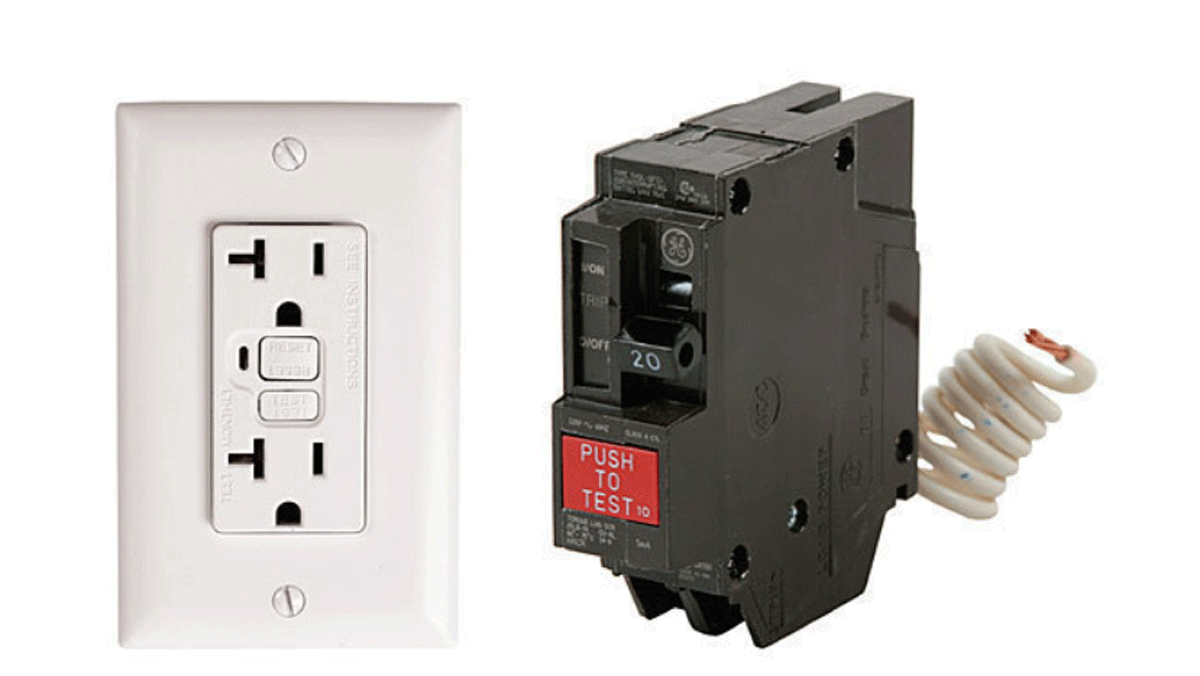
- GFCI breaker protects a circuit from the panel while GFCI outlet protects at its location and downstream outlets. Select breaker for full circuit protection and outlets for specific local coverage.
- GFCI breakers make compliance and maintenance easier by protecting all loads on a circuit and only needing to be tested in one location. They are ideal for new construction, hard to access outlets, or wet or outdoor circuits.
- GFCI outlets tend to be lower cost, easier to retrofit and allow quick local resets and troubleshooting at the point of use. This works well for kitchens, bathrooms and single outlet upgrades.
- Think about price, panel space, vintage, and codes when making the choice, as breakers are more cost effective for multiple outlets whereas the outlets are more suited for isolated or vintage systems.
- Anticipate compromises like nuisance tripping, appliance compatibility, and electrical noise sensitivity. Plan installations and troubleshooting accordingly to reduce false trips.
- For new construction or major remodels, go with GFCI breakers for wide-range protection and use GFCI outlets for point-specific, convenient retrofit or single outlet protection.
A GFCI breaker provides circuit-wide ground fault protection, while a GFCI outlet only safeguards the outlet itself.
Breakers occupy the service panel and monitor current between hot and neutral for many outlets. Outlets mount to wall boxes and safeguard downstream only if wired properly.
Both reduce shock hazard by tripping at approximately 5 mA and comply with electrical code in wet locations.
Core Difference
GFCI protection can be installed in two places: at the circuit breaker in the load center or at a receptacle at the point of use. A GFCI breaker provides ground-fault protection for the entire circuit from the panel. A GFCI outlet protects only there and at any outlets wired to its load terminals. Both sense ground faults and cut off electricity in milliseconds to minimize the danger of electrical shock.
Centralized Protection
GFCI breakers safeguard all outlets and hardwired equipment on the protected circuit — such as lights, hardwired appliances, and dedicated circuits. This means that one breaker can protect multiple rooms or dozens of outlets, which makes it easier to comply with safety codes that mandate protection in garages, basements, kitchens, or outdoors.
For complicated runs where outlets lurk behind refrigerators or within upper cabinetry, central protection eliminates scrambling to find and reset hard-to-reach outlets. Since the breaker resides in the panel, it disconnects power to all attached equipment when it trips. That shutdown behavior is useful because it prevents current to every device on the circuit, not just to a single plug.
GFCI breakers combine standard breaker features, so they can react to overloads and short circuits as well as ground faults. The service life is longer than a receptacle. Breakers often last 30 to 40 years versus approximately 15 to 25 years for GFCI outlets. The price for a GFCI breaker is about US$50 to 70.
Point-of-Use Protection
GFCI receptacles give protection exactly where you need it: countertops, bathroom outlets, outdoor sockets. They’re compact and inexpensive, averaging around US$25 each, and make sense if you have only one location or a couple of locations to protect. Receptacle trips are simple to reset at the outlet, aiding troubleshooting and preventing homeowners from opening the panel to restore power.
Installers frequently rely on receptacles to modernize antiquated homes one outlet at a time. They are suitable where municipal inspection ordinances require protection in select locations. Keep in mind that a tripped GFCI outlet disconnects power only to equipment connected to that receptacle and downstream ones if wired that way, so a separate appliance on the same circuit stays energized.
If a GFCI outlet or breaker trips, discontinue the use of attached devices and inspect for water or moisture by the outlet before resetting. The choice between the two rests on desired coverage, code requirements, accessibility, and cost. A breaker provides whole-circuit, long-term centralized protection. An outlet offers targeted, low-cost, easy installs.
Breaker Advantages
GFCI breakers provide protection at the panel, protecting an entire circuit rather than just one receptacle. That keeps all protection centralized, trips easy to locate and reset, and diagnosis simple when a problem occurs.
1. Circuit-Wide Safety
GFCI breakers sense ground faults anywhere along the circuit — at a concealed junction, in-wall wiring, or difficult-to-access outlets. A problem at an outside outlet or an appliance plugged into a basement socket is interrupted by the breaker at the panel. This extensive coverage decreases the risk of lethal electrocution and mitigates fire risk from leakage currents in a wiring run.
Circuit-wide protection comes in especially handy in unfinished basements, garages, and exterior circuits where outlets can get added or moved over time. For kitchen, bathroom, living room, and outdoor circuits, breakers generally protect all downstream outlets, whereas individual GFCI outlets protect anything wired downstream of that particular receptacle.
2. Weather Resistance
Since GFCI breakers reside inside the panel, they are protected from moisture, rain, and sun exposure that can destroy outdoor receptacles. The breaker doesn’t have to be exposed to weather repeatedly and has less need for weatherproof outlet covers and the upkeep they involve.
In damp rooms like bathrooms and laundries, breaker cabinets are less susceptible to corrosion than exposed outlet devices. For outdoor circuits or wet locations, situating protection in the panel reduces replacement costs in the long run and minimizes service calls.
3. Tamper-Proofing
GFCI breakers reside in locked or restricted-access panels, precluding casual tampering or accidental resets. That access control keeps protection in public areas, rentals, and kid-held homes.
When safety devices need to remain on, such as in retirement homes, schools, and commercial facilities, panel-mounted protection minimizes the risk that someone will turn off crucial safeguards. Reliable protection helps ensure you follow safety guidelines and avoid mistakes.
4. Simplified Wiring
Using a GFCI breaker eliminates the need to run protected conductors to each outlet, which simplifies wiring for new builds or significant renovations with long runs. Streamlined wiring reduces the potential for wiring mistakes and overlooked outlets during installation.
For projects that need 240 V circuits, breakers can offer GFCI protection where receptacles cannot. Electricians can use a checklist to decide when a breaker makes sense: long runs, mixed-voltage loads, outdoor circuits, or circuits serving heavy equipment.
5. Aesthetic Appeal
Panel-based protection allows rooms to maintain traditional outlets without test/reset buttons showing in the backsplash or cabinet lines. Homeowners can give their rooms a cohesive look using uniform faceplates and switches.
Hiding the safety hardware caters to design-conscious individuals without compromising security.
Outlet Advantages
GFCI outlets provide point-of-use protection that suits many typical requirements. They sit where the danger is and allow users to reset or test right at the outlet. For individual 15 or 20 amp, 120 V circuits in kitchens, bathrooms, garages or outdoors, a GFCI receptacle is an easy method of providing necessary protection without modifying the main panel.
They are less expensive, easier to install in any wiring configuration, and indicate protection status via colored test and reset buttons.
Localized Reset
GFCI outlets allow users to reset a tripped device at the outlet instead of in the main panel, which means less time and less search-and-reset hassle for households. This comes in handy when a hairdryer or countertop appliance pops while in use. Users can reset right at the same wall plate and get back to work fast.
Localized reset minimizes downtime for crucial outlets that support daily routines and makes minor disruptions more manageable for families.
- Kitchen countertop outlets for blenders and coffee makers.
- Bathroom outlets used for hairdryers, shavers, and styling tools.
- Garage or workshop receptacles feeding power tools.
- Outdoor outlets for holiday lights or lawn equipment.
A caveat is that a GFCI receptacle can control power to downstream outlets that seem unrelated, so resetting one location may restore power elsewhere unexpectedly. That tendency requires some tempering when deciding which outlet receives the GFCI.
Lower Upfront Cost
GFCI outlets generally cost less per unit than a GFCI breaker, making them a cost-effective option for securing one or two areas. A receptacle and a few tools generally run a tiny fraction of what it costs to swap or add a breaker in the panel.
No panel work or special breakers are required, saving labor and complexity on small projects. They’re carried so widely at home improvement stores, which means you can make lightning fast DIY upgrades.
For homeowners on a budget doing minor renovations, a handful of outlets can make critical areas code-compliant without a big expenditure. Outlets are restricted to 15 or 20 amp, 120 volt circuits; they can’t be used for higher-amperage or specialty circuits.
Installation Simplicity
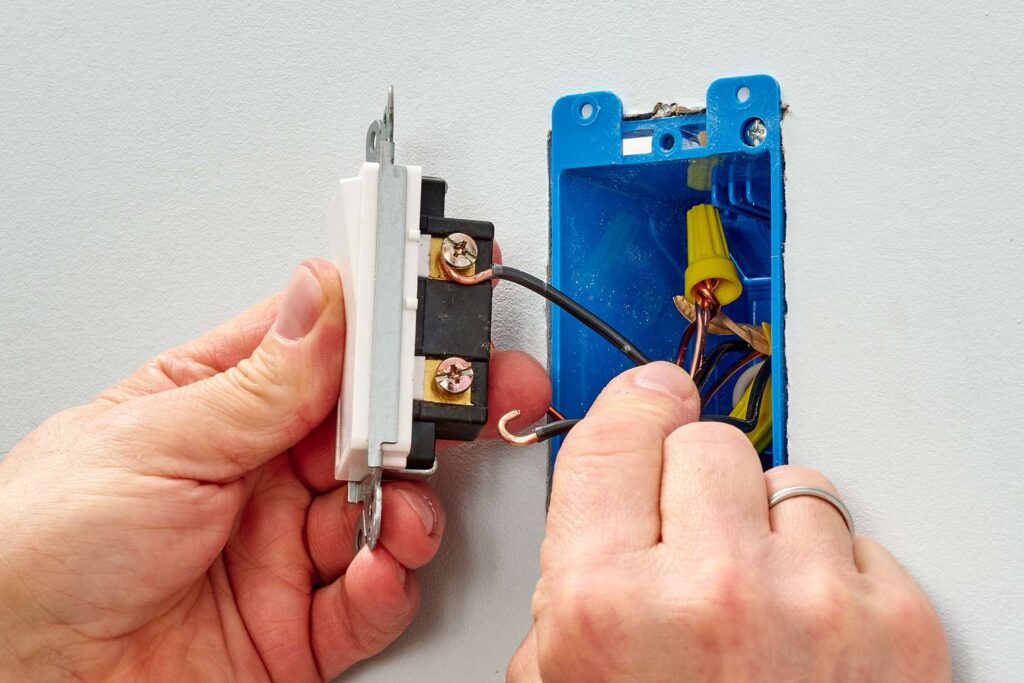
Putting in a GFCI outlet requires only elementary wiring ability, a screwdriver and safe work habits. Generally, you turn off power at the circuit, take out the old outlet and connect the new to line and, if necessary, load terminals.
Since no work inside the main panel is necessary, the project seems less dangerous to a lot of DIY’ers. This simplicity makes GFCI outlets convenient for installing protection at one outlet or a few.
A kitchen or bathroom job would walk through the step of turning off the circuit, double checking no load voltage, labeling line/load, connecting wires properly, installing the device, and testing with the built-in test button. GFCI outlets are a convenient alternative to breakers, but they exchange centralized convenience for localized control.
Decision Factors
GFCI breaker vs GFCI outlet – which should you opt for? It will depend on some practical and code considerations. Weigh cost, installation hassle, reset accessibility, system age, home layout, and future plans.
Decide if you want centralized protection at the panel or point-of-use protection at receptacles and verify code and permit requirements with your local jurisdiction prior to when work is initiated.
Cost
GFCI breakers usually run more than one GFCI receptacle. For a circuit that provides power to multiple outlets, a single GFCI breaker can protect them all and is more cost-effective than installing multiple GFCI outlets.
GFCI outlets are cheap and do fine for a couple of locations. If you just need to safeguard one bathroom or a lone outdoor outlet, the outlet version tends to be the least expensive.
Table: Typical cost comparison (approximate, USD)
| Item | Typical Unit Price | Typical Use |
|---|---|---|
| GFCI breaker | $60–$150 | Protects whole circuit at panel |
| GFCI outlet | $15–$50 | Protects single location or downstream load when wired |
For most home installs with multiple outlets on a circuit, breakers decrease per-outlet price. For stand-alone locations, outlets score based on initial price and install rate.
Installation
Installing a GFCI breaker involves working at the main panel and typically requires a licensed electrician, particularly in areas where panels are crowded or bonded. You need access to panels and the correct breaker type.
GFCI outlets install at the box with minimum disruption to wiring paths. They are the superior retrofit option in older homes with tiny panels or zero spare slots.
Older panels may not accommodate a modern GFCI breaker due to bus design or spacing issues. Installation time varies. A simple outlet change can take 15 to 45 minutes. A breaker swap may take an hour or longer plus verification.
Reset Convenience
GFCI outlets provide instant reset right where the trip occurred. It’s convenient for kitchen counters, bathrooms, and garage-access outlets that the user accesses frequently.
Breakers concentrate reset at the panel, which can be more convenient if multiple outlets switch on simultaneously or if you want a single reset location. Centralization means just one place to look in the event of an emergency.
Pros and cons by scenario:
- Outlets: Quick reset at the device is expected in bathrooms and kitchens. It may control unrelated locations.
- Breakers: single reset at panel, better for inaccessible outlets, needed for 240V or whole circuit protection.
System Age
Older systems either don’t have room or aren’t compatible with new GFCI breakers, meaning receptacles are a practical retrofit. GFCI outlets are easier to install without extensive rewiring.
Newer homes with modern panels can utilize dual-function GFCI/AFCI breakers and benefit from centralized protection and simplified maintenance. Old system decisions and upgrades include extended service plans.
Beyond The Basics
GFCI protection may be provided either by a GFCI receptacle or a GFCI circuit breaker. Both arrest perilous ground-fault currents in under one twentieth of a second when the internal bimetallic switch trips and interrupts power. These subsections dive into common, real-world issues that determine whether a breaker or an outlet gives the optimal experience and reliability.
Nuisance Tripping
Both GFCI breakers and outlets are prone to nuisance trips when neutral imbalances or bad appliances cause small leakage currents. Long circuit runs, mixed neutral paths, and specific electronics heighten the likelihood of nuisance trips with GFCI breakers because the sensing point is at the panel and monitors the entire circuit.
Nuisance trips drive you crazy and cost you unnecessary service calls. Easy checks, such as ensuring good wiring continuity, steering clear of shared neutrals, and isolating suspect loads, cut down on wasted trips and downtime.
Appliances and scenarios most likely to cause nuisance tripping include:
- Washing machines with motor brushes or worn door switches.
- Refrigerators with defrost heaters or compressor start capacitors.
- Window air conditioners and heat pumps during startup.
- LED drivers, dimmers, and switching power supplies.
- Long extension cords or outdoor runs exposed to moisture.
- Shared-neutral multi-wire branch circuits where neutrals are tied improperly.
Appliance Compatibility
Certain appliances, particularly refrigerators, washing machines, and sump pumps, generate leakage currents or transient faults that can trip sensitive GFCI devices. These leakage currents can be tiny but are sufficient to reach the trip threshold, especially on older or heavily loaded equipment.
GFCI outlets serve as a superbly sensitive local monitor and enable isolating a trouble appliance without bringing down the entire circuit. You can swap out or fix the appliance and the rest of the circuit continues to function.
A GFCI breaker will disable every outlet on the circuit if one device trips it, potentially interrupting equipment located distant to the fault. Think appliance type and location when selecting protection.
In kitchens, laundry rooms, and small groups of wet-area outlet receptacles can be less expensive and simpler to install. For whole-circuit protection or where several branch circuits feed a cluster of outlets, a breaker might be better. Anticipate more rigid wiring practices and potential retrofit work.
Electrical Noise
GFCI breakers are more sensitive to electrical noise, EMI, or RFI because they monitor the entire circuit at the panel and can interpret those high-frequency transients as imbalance. Some electronics, VFDs, or surrounding industrial equipment will cause interference and phantom tripping on long circuits.
GFCI outlets usually confine noise to a more localized region. Retrofitting older panels, proper grounding paths, and wiring downstream loads properly on a GFCI line need specific knowledge to control noise impacts and pass inspections.
Common sources of electrical noise and impact on GFCI devices include:
- Motor starters: high chance of transient spikes.
- Solar inverters: intermittent high-frequency emissions.
- Switch-mode power supplies: moderate noise near sensitive devices.
- Nearby radio transmitters: low but possible interference.
My Recommendation
GFCI protection should be selected based on the extent of the work, the design of the electrical system, and human behavior regarding space usage. If you’re doing a new build or a major renovation, or you’re looking to safeguard an entire circuit or multiple receptacles, I recommend GFCI breakers at the main panel.
GFCI circuit breakers provide protection in one location and protect every outlet and hardwired device on that circuit, including loads that exceed 15 or 20 amps on 120 V circuits. That makes them a great match in situations where multiple outlets or hardwired appliances require the same protection, or where outlets are located in awkward areas and would be cumbersome to reset one by one.
For example, a workshop with multiple tools and overhead lighting on one circuit benefits from a single breaker trip and reset at the panel instead of hunting down a recessed outlet.
For targeted safeguarding, particularly when cost and convenience are concerns, opt for GFCI outlets. They’re quick to install, affordable, and perfect for kitchens, baths, laundry rooms, and outside locations where code typically anticipates receptacles to be GFCI-protected.
Install a GFCI receptacle to safeguard a couple of adjacent points of use — say a vanity and a single dishwasher receptacle — and enjoy the convenience of local reset and visual trip status. Remember, receptacles only shield downstream equipment on the same wiring and may not be effective when circuits involve different voltage or amperage ratings.
A GFCI outlet can’t guard a 240 V appliance circuit, but a GFCI breaker can.
Balance code needs, convenience, and household routines before making a decision. If your local code dictates GFCI protection in certain locations, adhere to those rules first. Codes differ but usually bathrooms and kitchens are protected.
Consider who lives in the home: families with children, older adults, or people who use equipment outdoors may benefit from broader, centralized protection. If outlets are hidden, outside, or hard to reach, a panel-mounted GFCI breaker saves you the hassle of resetting a recessed GFCI outlet.
If it’s more of a targeted, low-cost upgrade in an existing home, adding GFCI receptacles is usually the quickest and most feasible path.
Focus on safety and modern standards, whichever way you go. If in doubt about your existing wiring, circuit loads, or code nuances, check with a licensed electrician. They can check if a GFCI outlet or breaker is suitable for the circuit’s voltage, amperage, and the equipment.
Conclusion
A GFCI breaker covers an entire circuit for ground faults. A GFCI outlet protects one receptacle and downstream plugs. Breakers fit entire-room needs, such as a bathroom or kitchen circuit. Outlets fit individual locations, such as a countertop or outdoor outlet. Breakers eliminate nuisance trips for multiple devices. Outlets are less expensive and accommodate simple replacements. Take into account load size, wiring layout, code requirements, and budget. For new construction, whole-circuit protection from a breaker usually works best. For quick fixes or single-point protection, an outlet is logical.
If in doubt, have a licensed electrician check your panel and wiring. Schedule a quick check to choose the safest and most affordable solution for your home.
Frequently Asked Questions
What is the main difference between a GFCI breaker and a GFCI outlet?
A GFCI breaker safeguards a complete circuit at the panel. A GFCI outlet protects only downstream devices plugged into that outlet. Breakers provide protection for an entire circuit. Outlets provide protection at a point.
Which is safer: a GFCI breaker or a GFCI outlet?
Both are safe when properly installed. A GFCI breaker protects the entire circuit, including hardwired devices. A GFCI outlet protects only that receptacle and downstream wiring. Decide according to coverage requirements.
When should I choose a GFCI breaker over a GFCI outlet?
Opt for a GFCI breaker if you require protection for a full circuit, for hardwired appliances or when the panel location makes outlet protection inconvenient. It makes it easier to protect multiple devices on one circuit.
Can a GFCI outlet protect multiple downstream outlets?
Yes. Wired through the load terminals, a single GFCI outlet may protect downstream outlets on the same circuit. If wired incorrectly, the downstream devices do not receive protection.
How do I test and maintain GFCI breakers and outlets?
Test and reset it once a month. A real test, it turns out, ‘trips’ the device and interrupts the current. For breakers, see panel safety steps or hire an electrician. Replace units that fail tests or exhibit damage.
Are GFCI breakers or outlets more expensive to install?
GFCI breakers are more expensive than outlets. Breaker replacement may require professional installation. Outlets are less expensive and more convenient for DIYers. Consider long-term convenience and circuit coverage when weighing cost.
Can I mix a GFCI breaker and GFCI outlet on the same circuit?
You can, but it may lead to nuisance tripping and make it more difficult to troubleshoot. One is generally all you need. If in doubt, work with an electrician to customize the optimal protective arrangement.