

Key Takeaways
- AFCI breakers sense and shut off hazardous arc faults that can ignite electrical fires, providing protection not covered by standard breakers and working alongside GFCI devices. Look for AFCI labels on your panel and test buttons each month.
- New Jersey adopts AFCI requirements by way of its Uniform Construction Code based on the NEC, requiring AFCI protection for the majority of new or extensively altered 120 V, 15 A and 20 A dwelling circuits. Verify the relevant NEC edition prior to commencing work.
- Required locations are generally bedrooms, living and other dwelling-room circuits, and recent code revisions have broadened coverage and added dual-function AFCI/GFCI devices. Check local amendments and permit dates to be sure of your exact obligations.
- There are exemptions for certain outdoor or specific appliance circuits and for unmodified older wiring, but exemptions are limited and must be verified with the local authority having jurisdiction to prevent noncompliance.
- As a homeowner, you should check for AFCI installation by looking for marked breakers, documenting a panel directory, testing their built-in test buttons, saving inspection and permit records, and hiring a licensed electrician for retrofits or panel upgrades.
- Retrofitting older homes is safer even if it costs more up front. This involves determining panel compatibility, budgeting for breakers, labor, permits, wiring repairs, and final inspection to comply and minimize hidden fire hazards.
AFCI breaker requirements NJ talks state regulations for arc-fault circuit interrupters in New Jersey residences and structures.
These regulations detail where AFCIs need to be installed, generally bedrooms, living rooms, kitchens, and specific remodeling projects, and correspond with National Electrical Code revisions adopted by the state.
Homeowners and electricians need to satisfy local permit and inspection regulations. It lays out the circuits, timelines, and code citations for compliance.
AFCI Fundamentals
AFCI breakers are specialized devices that analyze the electronic signature of an arc and interrupt it. They were initially mandated in the 1999 NEC and have subsequently expanded into multiple varieties, including branch/feeder, combination, outlet branch-circuit, and portable units. These varieties target varying installation locations and protection objectives.
AFCI protection is a fundamental safety feature in contemporary electrical codes and is now routinely required in bedrooms and other living spaces to mitigate fire hazards.
Arc Faults
Arc faults happen when conductors or connections have been damaged, when connections are loose, or when insulation has deteriorated. These faults may develop between conductors or between a conductor and ground, and generate high heat while frequently consuming low currents. This makes them difficult for standard breakers to identify.
Common sources of arc faults include:
- Damaged or pinched wiring inside walls or appliances.
- Loose terminal screws or back-stabbed receptacles.
- Aging or brittle insulation around cables.
- Renovations nail or screw penetration.
Arc faults can cause fires in nearby combustibles. Traditional overcurrent protection protects against overloads and short circuits, but it cannot identify the low-current, high-temperature signature of many dangerous arcs. Therefore, specialized arc fault protection is required.
Breaker Function
AFCI breakers track circuit current patterns and digital signatures to differentiate benign arcing (motor brushes) from dangerous, fault-induced arcing. When the device recognizes the distinct waveform of a hazardous arc, it trips the circuit to interrupt current flow and prevent a fire.
AFCIs are installed at the electrical panel, providing branch circuit protection and serving to protect downstream wiring and devices. Regular breakers simply react to current surges from overloads or direct short circuits. They do not examine waveform signatures and thus cannot dependably prevent many arc-source fires.
Safety Impact
AFCI breakers have demonstrated the ability to prevent the number one cause of residential electrical fires by catching a failure mode regular breakers overlook. National statistics show fires are less frequent in homes with AFCI protected circuits. Regulators like the Consumer Product Safety Commission have endorsed broader AFCI implementation as a validated safety enhancement.
AFCI requirements go one step further than GFCI devices, which guard not against arc-origin fires but against ground-fault shock. Installation can be complex: panel capacity, circuit configuration, and compatibility with existing devices matter.
It’s hard to test AFCIs. There are specialized testers, but their reliability can be inconsistent. Nuisance tripping happens, particularly with older systems or specific electronic loads, so meticulous designing and professional installation matter.
New Jersey Mandates
New Jersey enforces its AFCI breaker requirements using its Uniform Construction Code (UCC), which adopted the 2020 NEC as the state code. AFCI compliance is required for new circuits and for significant alterations. Local building departments and electrical subcode officials enforce and must sign off prior to circuits being energized.
1. Adopted Codes
New Jersey has adopted the 2020 NEC, which establishes the baseline AFCI regulations currently utilized throughout the state. The specific provisions that apply to a given job can vary by permit date and any local amendments adopted by municipalities.
Homeowners and contractors, depending on when they pulled their permit, should confirm which NEC edition governs their permit prior to beginning work. A permit issued under an older code may still follow earlier AFCI rules. Important NEC items to consult are Article 210 (branch circuits), 210.12 (arc-fault circuit interrupter protection), 210.8 (ground-fault circuit interrupter protection) and local changes in the New Jersey Residential Subcode.
2. Required Locations
AFCI protection shall be provided for most 120-volt, 15- and 20-amp branch circuits in dwelling units. This generally includes bedrooms, living rooms, family rooms, dining rooms, hallways, and other similar living spaces.
Any new outlets, circuit extensions or renovations within these areas trigger AFCI requirements. If you extend an existing dwelling unit branch circuit, AFCI protection must be installed back at the origin of the extension. Kitchens and laundry areas are required in New Jersey to have both AFCI and GFCI protection. Dual-function breakers are a handy, code-accepted way to satisfy both at once.
| Room / Circuit Type | AFCI Required |
|---|---|
| Bedrooms | Yes |
| Living rooms / family rooms | Yes |
| Hallways | Yes |
| Kitchens | Yes (AFCI + GFCI) |
| Bathrooms | GFCI required; AFCI may apply by code edition |
3. Recent Updates
Recent code changes have extended AFCI coverage into more rooms and more types of branch circuits. New Jersey’s 2020 NEC adoption includes many of those expansions.
New Jersey mandates AFCI for branch-circuit extensions and renovations, with updates now putting an emphasis on protection at the point of modification. The newer code editions add dual-function breakers that provide both AFCI and GFCI protection, making compliance easier in kitchens, laundry rooms, and garages.
Follow local adoption schedules as municipalities can adopt newer NEC editions on varying schedules.
4. Notable Exemptions
Some outdoor circuits, specialized appliance circuits, and some motor loads are exempt from AFCI requirements. Exemptions are usually in relation to the function and location of the circuit.
Wiring in older homes may be grandfathered in based on original permit date or limited scope of work. Any addition typically negates that. Check exemptions with your local AHJ as they are limited. Exemptions do not eliminate the requirement for appropriate overcurrent or ground-fault protection.
5. Local Enforcement
Local building departments and electrical subcode officials interpret and enforce AFCI rules and inspect installations to adopted codes. To comply with New Jersey mandates, inspectors must approve work before it is energized.
Inspection checklists typically include AFCI and GFCI verification. New Jersey mandates require you to get your permits and inspections scheduled early, so that you won’t have to rework or delay.
Common Misconceptions
AFCI (arc-fault circuit interrupter) requirements are a frequent source of confusion. Misunderstanding what AFCIs do, when they must be used, and how they differ from other devices can lead to unsafe choices and code non-compliance. The bullet points dispel the most prevalent myths, describe why they exist, and provide action steps homeowners and professionals can use to check reality before responding.
Nuisance Tripping
A lot of people believe AFCI breakers trip all the time for regular appliance usage. That’s seldom the case, as today’s AFCIs leverage algorithms to differentiate destructive arcs from routine buzzes. When nuisance trips do occur, wiring faults, loose neutrals, shared neutrals, or older dimmers and motor controls are the usual suspects.
Replace or repair the suspect wiring, test the circuit with a qualified electrician, and check device compatibility. Use exclusively listed appliances and devices that conform to current standards to reduce the risk of unnecessary calls. If trips continue, refer to the breaker manufacturer’s troubleshooting instructions and firmware or device recall notices.
Cost vs. Benefit
A popular myth is that AFCIs cost too much. Breakers themselves run around $35 to $60 each, and a full panel swap can add an extra $400 to $900 or so to a project. Compare that to the risk: arc faults contribute to thousands of home fires and several hundred deaths annually.
Reducing that risk has clear value. Insurance discounts and reduced potential loss from fire provide additional economic benefits. A simple cost-benefit view compares initial cost to avoided fire loss, reduced insurance cost, and peace of mind. Safety benefits tend to outweigh the initial cost over a home’s lifespan.
Grandfather Clauses
Other homeowners assume older homes are off the hook with AFCI rules indefinitely. Existing wiring is only ‘grandfathered’ in if it’s untouched. Any allowed renovation impacting circuits triggers those circuits to conform to current code, including AFCI requirements.
Grandfather clauses can leave a house vulnerable to arc-fault risk and future liability. Even new builds enjoy AFCI protection. The 2020 NEC extended coverage to most living spaces, and the 2026 NEC moves toward universal coverage for 120 V, single-phase, 15- and 20-amp receptacles.
AFCIs aren’t your standard breakers. Standard breakers protect only against overloads and short circuits, not damaging arc faults. Installations are simple for a licensed electrician and wise during renovations for safety and compliance.
Homeowner Verification
Homeowners, verify AFCI protection in your electrical panels to reduce fire risk and to comply with NJ requirements and NEC or local UCC where applicable. Verification includes identification, testing and record keeping. The steps below illustrate what to examine, how to test, and what to document for inspections, permits, real estate transactions, and insurance.
Identify Breakers
Check for “AFCI” on breaker faces or labels inside the panel door. Most have a colored test button or a small ‘Arc Fault’ label. Some breakers are dual-function and designated “AFCI/GFCI” or “AFCI/GF.” Remember those as they guard against both arc faults and ground faults.
Make a panel directory of each AFCI-protected circuit by number, zone, and rooms served. Note if protection is for outlets, lighting, or both. Photograph the panel layout and each breaker label from several angles so they are readable. Store the photos with your records.
If they have had work recently, check permits and see if the installing electrician identified which circuits were given AFCI protection.
Test Functionality
Test AFCI breakers monthly using their built-in test button. Press firmly until the breaker trips. A properly functioning AFCI will trip and disconnect power to the protected circuit.
Once tripped, reset your breaker and verify power is restored at a known outlet or light. Certain units mimic arc faults and may even need a connected test apparatus. Check the breaker’s manufacturer instructions.
If the breaker doesn’t trip with the test button, consider it defective. Don’t trust it until it’s replaced. Reach out to a licensed electrician for replacement and to verify the new breaker is rated and installed per NEC and local code.
Verify Compliance
Verify with permit records, inspection reports and any contractor invoices that handled that AFCI installation met current NJ and NEC standards. Most places will require a homeowner to verify electrical work.
Cross-reference panel labeling and your directory with state and local AFCI requirements and update protection if you installed additional circuits, remodeled or changed outlet types since your last inspection.
Maintain test logs, photos, permit copies and electrician licenses. These keep your records and code compliance straight for future inspections, resale and insurance claims. When in question, contact a licensed electrician to confirm protection, test and sign off.
Retrofitting Older Homes
Retrofitting older homes for AFCI protection needs a clear view of risks, scope, and practical steps. Most older wiring doesn’t have the arc fault defenses installed in new construction, increasing the likelihood of electrical fires in kitchens, garages, bathrooms, and living spaces during renovations.
Retrofitting delivers quantifiable safety benefits and helps future-proof homes for shifting code standards even before a formal regulatory requirement has taken hold.
Project Scope
Scope of Work – Circuits will have standard breakers replaced with AFCI models. Decide if just certain branch circuits require AFCIs while renovating or if a full-panel approach makes more sense when numerous circuits are impacted.
- Bedrooms, living rooms, dining rooms, halls, closets, sunrooms – protect per 2020 NEC.
- Kitchens, garages, and bathrooms generally require AFCI when remodels change wiring.
- Multiwire branch circuits — inspect carefully; AFCI compatibility varies.
- Shared neutral circuits or old wiring may require reworking prior to AFCI use.
For retrofitting older homes, develop a room by room checklist showing outlets, lighting, and smoke/CO feeds to be protected. Use a numbered schematic plan with circuit ID, device counts, and any special wiring notes so electricians can quote and schedule efficiently.
Cost Factors
Ultimately, cost comes down to breaker price, labor, permit fees, and whether a panel swap is required. AFCI breakers typically run in the range of $35 to $60 each, which is higher than standard breakers.
Labor rates differ and be prepared to pay more when circuits must be reworked or access is difficult. Older panels might need to be retrofitted. As I mentioned earlier, some older panelboards will not accept modern AFCIs and may need to be replaced.
Unearthing wiring faults, such as shared neutrals, aluminum conductors, or degraded insulation, can add to material and labor expenses.
| Cost Item | Typical Range (USD) |
|---|---|
| AFCI breaker (per unit) | $35–$60 |
| Electrician labor (per hour) | $65–$120 |
| Panel replacement | $800–$2,500 |
| Permits/inspection | $50–$300 |
| Wiring corrections | $100–$1,000+ |
Calculate the grand total by multiplying the number of breakers required by the unit cost, adding labor, and adding contingency for wiring fixes or a panel swap.
Best Practices
Employ a licensed electrician familiar with AFCI devices and your local code interpretation that minimizes rework and safety danger. Mark each new AFCI conspicuously in the panel directory so future owners and techs are aware of protected circuits.
Test each AFCI after installation with the breaker test button and load tests, and record results for the record and for inspection. Schedule a final inspection to ensure New Jersey compliance and to catch wiring problems overlooked during installation.
If you have a number of circuits that need protecting, it may be more practical to swap out an older panel for a board with integrated AFCI capabilities.
The Unseen Risk
Electrical fires lurk in wiring and devices well before they manifest. Arc faults and ground faults can smolder or spark inside walls, behind outlets or at loose connections and go undetected until they cause a fire or a shock. Arc faults, by themselves, are associated with approximately 30,000 home fires and 500 deaths annually in the US, a magnitude that renders proactive protection more than a checkbox regulation.
Today’s safety regulations try to trap these errors that habitual visual inspections overlook. Homeowners need to consider AFCI protection as a safety investment, not just a compliance step.
Aging Infrastructure
Older homes often have wiring that fails to meet present-day safety standards. Insulation can crack, sheathing can harden and split, and screw or push-in connections can loosen over the course of decades. That makes arcing more likely since electricity can leap gaps or through compromised insulation.
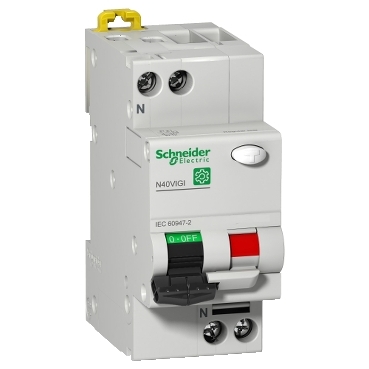
Focus on AFCI protection in homes with older wiring. Retrofit AFCI breakers on bedroom, living room, and hallway circuits first as NEC already mandates AFCIs there. Schedule a regular inspection with a licensed electrician to look for hidden faults.
Signs include discolored outlets, flickering lights, or breakers that trip intermittently. Inspections should encompass arc and ground fault testing and replacement of heat damaged, worn receptacles and connectors.
Modern Electronics
Modern electronics and appliances pool together to generate complicated current waveforms that can cause nuisance arcs or obscure hazardous arcs. Small arcs from switches, LED drivers, or motor brushes sometimes imitate normal operation.
AFCI breakers utilize pattern recognition to distinguish benign arcs from dangerous ones, minimizing risk and nuisance trips. Stuffing too many sensitive devices into unprotected circuits increases the danger that a silent arc will set fire to nearby combustibles.
For your heavy-use electronics — computers, TVs, home office equipment — utilize AFCI-protected outlets or protected branch circuits to reduce fire hazard and protect equipment.
Proactive Protection
Put AFCI breakers in before they blow to minimize the fire and loss potential. Proactive upgrades reduce the risk over time and in many cases cost less than the value destroyed in a post-fire repair or insurance spike.
Anticipate retrofit costs on the order of USD 400 to 900 based on the number of circuits and budget for that in renovations. Remember that GFCI protection detects imbalances as slight as 4 to 6 milliamps and is mandated in wet locations such as kitchens and bathrooms, while some rooms will require both GFCI and AFCI protection.
The 2026 NEC expansion will mandate AFCIs on nearly all 120 V, 15 to 20 A branch circuits in dwellings, so factor in AFCI planning into any electrical upgrade or renovation.
Conclusion
AFCI breakers reduce electrical fire dangers by detecting arc faults and cutting power quickly. New Jersey recently began requesting AFCIs in most living areas and those regulations have significance for protection and resale value. Home inspections and basic tests, such as examining your panel label or consulting a licensed electrician, reveal if your home complies with the regulations. For older homes, plug-in AFCI devices or panel upgrades provide obvious choices. AFCI breaker requirements NJ A frayed cord or sneaky wire flaw can ignite a blaze way before anybody smells smoke. Little things, such as testing breakers and repairing frayed cables, go a long way.
Know your panel, check your circuits, and schedule a pro if things seem amiss.
Frequently Asked Questions
What is an AFCI breaker and why does it matter?
AFCI (Arc-Fault Circuit Interrupter) detects dangerous electrical arcs and powers off. It mitigates fire hazard from defective wiring and frayed cords. It’s a lifesaver mandated in most living spaces.
Are AFCI breakers required in New Jersey homes?
Yes. New Jersey follows the NEC updates that mandate AFCIs in nearly all residential living spaces. Local jurisdictions can adopt the same NEC version, so verify with your municipality.
Which rooms need AFCI protection in New Jersey?
Usually bedrooms, living rooms, dining rooms, kitchens, hallways, and other areas need to be AFCI protected. Requirements increase with newer NEC editions. Always double check with your current local code or a licensed electrician.
Do kitchens and bathrooms need AFCIs and GFCIs both?
Yes. Kitchens usually require an AFCI and GFCI. AFCIs stop fires caused by arcs. GFCIs guard against shock in proximity to water. Combination or separate protections satisfy both needs.
Can I install AFCI breakers myself?
Unless you’re a licensed electrician. Working within the panel is dangerous and sometimes code regulated. Plug in a pro – hire a licensed pro to guarantee code compliance and safe installation.
How do I know if my home already has AFCI protection?
Check for AFCI breakers in the main panel or test outlets with an AFCI tester. A licensed electrician can inspect and verify protection and compliance for your home.
Is retrofitting older homes with AFCIs costly?
Prices depend on panel accessibility and circuit complexity. Many of these retrofits are simple and offer tremendous safety improvement. Be sure to get multiple quotes from licensed electricians for price and scope comparison.