

Key Takeaways
- Simply put, they protect against overloads and short circuits. When current exceeds safe levels, the breaker cuts power, but they don’t detect arc faults so they can miss concealed fire risks.
- AFCI breakers sense hazardous arcing, such as in series and parallel patterns, and are capable of preventing arc-related fires that standard breakers cannot. This makes them useful for bedrooms and living rooms.
- AFCI devices utilize electronic waveform analysis instead of thermal or magnetic triggers. They provide wider protection but come at a greater initial expense and can sometimes trip from certain appliances.
- Select AFCI breakers for new construction, major renovations, or high-risk circuits and opt for dual function breakers where ground-fault protection is necessary.
- To summarize, get it installed by a licensed electrician, make sure your panel supports it and it is CSA approved, and plan to spend extra on updating your panel when retrofitting an older home.
- Inform family members about arc-fault hazards, mark panels with obvious labels, and design electrical projects while keeping in mind forthcoming code modifications and safety enhancements.
An arc fault breaker is a type of circuit breaker that identifies potentially harmful electrical arcs and interrupts power to minimize fire hazards.
Standard breakers trip when current exceeds safe levels, guarding against overloads and short circuits but not arc faults.
Arc fault breakers employ sensors and pattern recognition to identify intermittent arcing in devices or wiring.
It matters for your home’s safety, code compliance, and installer cost, as discussed in the post rest.
The Standard Guardian
Standard circuit breakers are the default protective devices in residential and light-commercial electrical panels. They stop hazardous currents that heat wires and ignite fires. In most Canadian residences and other jurisdictions, these breakers are the default protection for overloads and short circuits.
However, they do not detect arc faults or ground faults. Standard guardian sounds safe, and some manufacturers apply it to more progressive tools such as arcing-detecting AFCI breakers that provide an additional layer of protection. The subsections below explain how standard breakers function and what they do — and do not — shield against.
Overload Protection
Standard breakers trip when current in a circuit runs too high for too long, cutting power before insulation melts or wiring overheats.
It shields appliances and electronic components from harm by interrupting extended overcurrent. For instance, plugging a few high-watt devices into a single circuit will increase current and the breaker will trip to save both the wiring and equipment. Overload protection is essential to prevent slow heat buildup, which can compromise insulation and start fires.
Overload protection is a minimum code-based need in all residential and commercial panels. It’s not designed for arc faults or ground faults. It just detects current magnitude and acts when that is unsafe. Some homes move up to units that incorporate arc detection, as overload-only protection doesn’t cover all hazards.
Short-Circuit Protection
Short-circuit protection rapidly cuts power when a low-resistance path develops between hot and neutral or hot and ground, which results in sudden and very high current.
It prevents hot sparking that can set surrounding combustibles on fire and cause fires. This protects saved wiring and connected devices from catastrophic thermal and mechanical damage. All standard circuit breakers are equipped with short-circuit protection as standard.
Short circuits generate sudden current spikes well beyond normal load, and standard breakers act quickly to shut off the circuit. By disrupting these surges, they minimize the possibility of large arcs or sparks that could injure buildings or individuals.
They shield against direct shorts, but they don’t sense the high-resistance arcing that can smolder for weeks, leading to fires. That’s where AFCI “standard guardians” are often suggested or mandated by codes such as the NEC.
A few users have had arc-detecting breakers stop fires or shocks from occurring, but their effectiveness depends on the type of fault and how they’re installed. It can be integrated with arc-fault or ground-fault protection, but this will likely require specific breakers, wiring or configuration to satisfy your local code.
The Advanced Sentinel
Built to detect electric hazards early and act fast, the Advanced Sentinel is a monitoring and protection system. It frequently accompanies solar power installations and home circuits to provide additional monitoring beyond what a traditional breaker delivers. This module is designed to detect arc faults and ground faults, send alerts, and pair with rapid shutdown systems and AFCI breakers to mitigate damage.
In countless deployments, users say it provides an additional level of security, especially for bigger systems, even though its precise impact remains under research.
Arc Detection
AFCI breakers and sentinel-style monitors observe the waveform on a circuit for anomalous arcing signatures that standard breakers ignore. Traditional breakers respond to excess current or a direct short. They don’t detect the low-current, high-frequency signatures indicative of a hazardous arc.
Arc detection catches those patterns and trips the circuit before heat accumulates to ignite nearby materials. This comes in handy particularly when wires are nicked, insulation wears down, or devices get loose connections. The Advanced Sentinel can log events and send real-time alerts to operators and help identify problem locations in larger or distributed systems.
In residential dwellings, AFCI-protected circuits safeguard bedrooms and living spaces where fires frequently arise from hidden wiring defects.
Series Arcs
Series arcs can occur on one conductor, usually at a break or loose screw terminal, and heat a minuscule spot very quickly without triggering a large current draw. That localized heating can smolder inside a wall or outlet, out of view, until ignition.
Thanks to a fortunate technological coincidence, AFCI breakers and sentinel monitors are tuned to detect the distinctive signature of series arcs and shut down power before temperatures reach dangerous levels. As for ordinary overcurrent devices, they seldom experience such events because the total current can remain within normal limits as long as the arc continues.
For solar arrays, the Advanced Sentinel’s ability to monitor series arc behavior along DC runs provides protection beyond where standard AC breakers have limitations.
Parallel Arcs
Parallel arcs occur between two conductors, like hot to neutral or hot to ground, often after insulation damage. These arcs can pull higher currents and generate heat so severe that they can ignite surrounding material in a matter of seconds.
AFCI devices and built-in sentinel systems can sense those fast, high-energy arc patterns and respond quickly. Standard breakers need a significant enough current spike to trip, so they can miss the early stages of a parallel arc.
For commercial solar, merging AFCI capability with a sentinel that provides real-time notification and integration with rapid shutdown systems enables operators to intervene before fire risk increases.
Core Differences
While standard breakers interrupt current that exceeds a threshold, arc fault circuit interrupters (AFCIs) detect and interrupt dangerous arcing faults. AFCIs provide this additional protection by detecting the electrical signatures that suggest arcing, such as series arcing within a single conductor, which normal thermal-magnetic breakers are blind to. This ability is important because arc faults can reach temperatures of 10,000 degrees Fahrenheit and can ignite materials near the source of the fault well in advance of an overload.
1. Detection Method
AFCI breakers utilize electronic sensing and real-time waveform analysis to identify the specific signatures of arcing. They contrast current and voltage waveforms and search for fast, irregular fluctuations that correspond to known arc signatures.
Standard breakers rely on thermal elements and magnetic trips, meaning they respond to continuous overcurrent or an immediate short. Since standard breakers do not do waveform analysis, they do not detect series arcing that remains under overcurrent thresholds.
AFCIs are more elaborate devices, mixing microelectronics, filters, and algorithms to distinguish benign switching noise from dangerous arcs.
2. Safety Scope
AFCIs shield against overloads and short circuits like standard breakers. They identify arcs that can spark fires in concealed wiring, junctions, or frayed cables.
This more expansive shield decreases the danger of fires in residences and other structures, and numerous areas have extended standards as a result. The NEC now includes virtually all 120 V, 15 A, and 20 A branch circuits in AFCI requirements.
AFCIs are complementary GFCIs. AFCIs detect arcing faults, and GFCIs detect ground-fault leakage. Dual-function devices bundle both in one breaker for added protection in bedrooms, living areas, and laundry rooms.
3. Cost Factor
AFCI breakers are more expensive due to their sensors and digital circuitry, typically costing USD 30 to 50 per breaker. Standard breakers are easier and cheaper at the outset.
Homeowners need to consider the upfront price in comparison to the possibility of avoiding expensive fire damages and losses. Over time, an investment in AFCIs can pay off in reduced risk and potentially lower insurance claims.
4. Nuisance Tripping
AFCIs can be tripped by some electronic noise producing appliances, like some vacuum cleaners, treadmills, or dimmers. Standard breakers typically trip for true overloads or shorts and therefore have less nuisance trips.
Periodic testing, appliance maintenance, and electrician diagnostics help diagnose persistent nuisance tripping.
5. Code Mandates
Canadian and U.S. Codes are both expanding the requirement for AFCIs in new construction, with specific rooms such as bedrooms and living rooms enumerated.
Standard breakers may no longer be up to code in many places for those circuits. Be sure to check local code before you pick breaker types for a project.
When to Choose
Choosing between an arc fault circuit interrupter (AFCI) breaker and a regular thermal-magnetic breaker depends on the project stage, the room’s risk profile, local code, and the value placed on fire and equipment protection.
AFCIs minimize ignition hazard from arcing faults and are becoming increasingly code-mandated for residential areas. Regular breakers consistently safeguard against overloads and short circuits for less money and continue to be suitable where arc protection isn’t needed or feasible.
Consult a licensed electrician to fit device selection to wiring condition, load types, and local regulations.
New Construction
New construction typically activates the newest electrical code. Venues when to Opt for AFCI protection is now required in bedrooms and other living areas in numerous jurisdictions under the model codes based on the NEC or similar standards.
Comparable regional codes may apply elsewhere. Builders installing homes should put AFCI devices in all rooms enumerated by code not only to comply but to future-proof the installation.
AFCI breakers contribute quantifiable value by enhancing fire protection and attracting safety-minded purchasers. Record breaker types and locations as well as manufacturer information in the project file for review and the homeowners’ reference.
Older Homes
AFCI protection may be absent in older houses and can be enhanced by retrofits in strategic zones. Retrofit AFCI breakers in the panel for high-risk zones — bedrooms, living rooms, and spaces with older wiring — to eliminate arc-fault fire risk, particularly where occupants are children, elderly, or medical device users.
When considering an upgrade, evaluate both wire condition and the presence of knob-and-tube or cloth-insulated runs or shared neutrals, as incompatibility or poor connections can degrade AFCI performance.
Begin with prioritized circuits instead of whole-sale replacement when budget or compatibility is an issue.
Specific Rooms
- Bedrooms: AFCI is often required to safeguard sleeping quarters in which fires are extremely dangerous.
- Living rooms and dens: prioritize AFCI where entertainment systems and old wiring are present.
- Kitchens: GFCI or dual AFCI and GFCI recommended because of water and appliance use.
- Bathrooms and outdoor circuits: GFCI is primary. Consider dual function for added arc protection.
Use this table to match breaker types to rooms and common code needs:
- Bedrooms: AFCI required in many codes.
- Living rooms: AFCI recommended.
- Kitchens: GFCI or dual AFCI+GFCI.
- Bathrooms: GFCI; consider dual devices where arcing risk exists.
Extra care in water rooms or heavy appliance load. AFCIs assist in guarding sensitive equipment such as computers and medical equipment from arc-related issues.
For low-hazard, straightforward lighting or convenience outlet circuits, standard breakers can be economical. When to Choose. Cost versus risk, always and site-specific advice from a licensed electrician.
Installation Insights
Installation is key for both AFCIs and breakers. Either device should be installed or supervised by a licensed electrician. The potential for protection to be rendered ineffective or increase fire risk exists due to incorrect wiring, loose connections, or improper mounting.
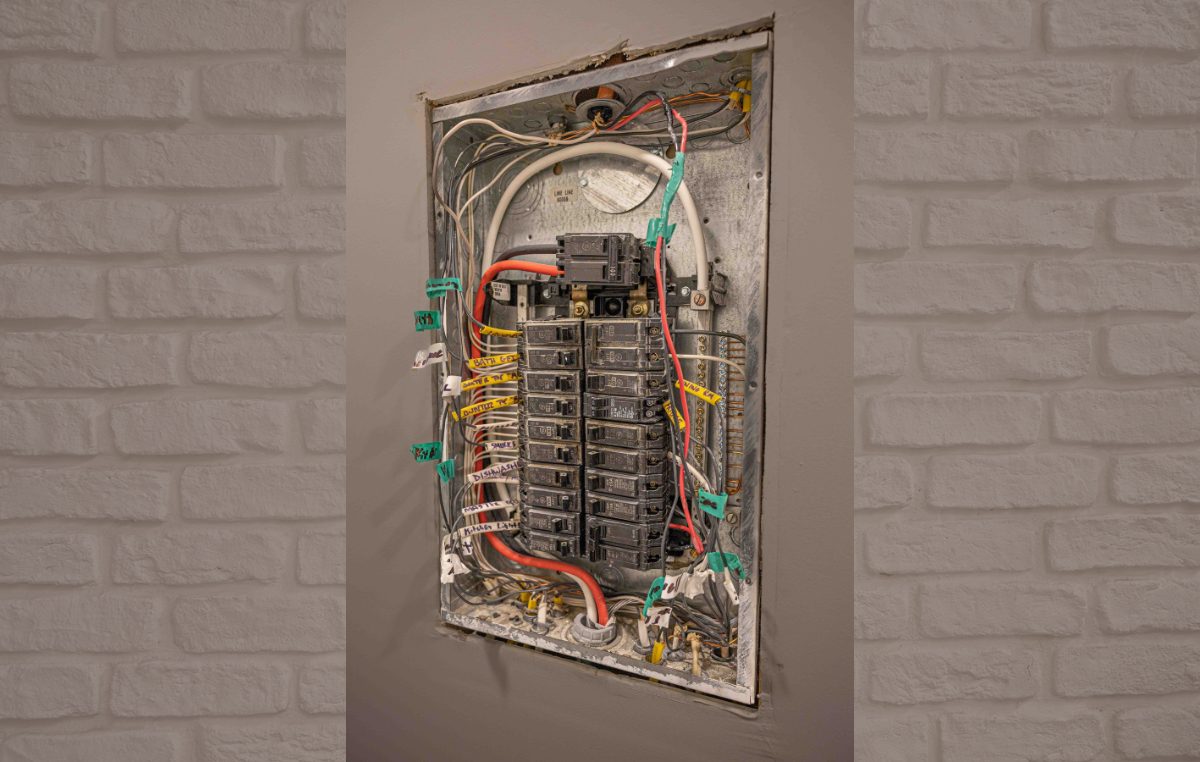
Adhere to manufacturer instructions and local standards, such as CEC or NEC where applicable. Write on the panel with a label maker or permanent marker to identify AFCI, GFCI, and regular breakers so any future work is safer and faster.
Compatibility
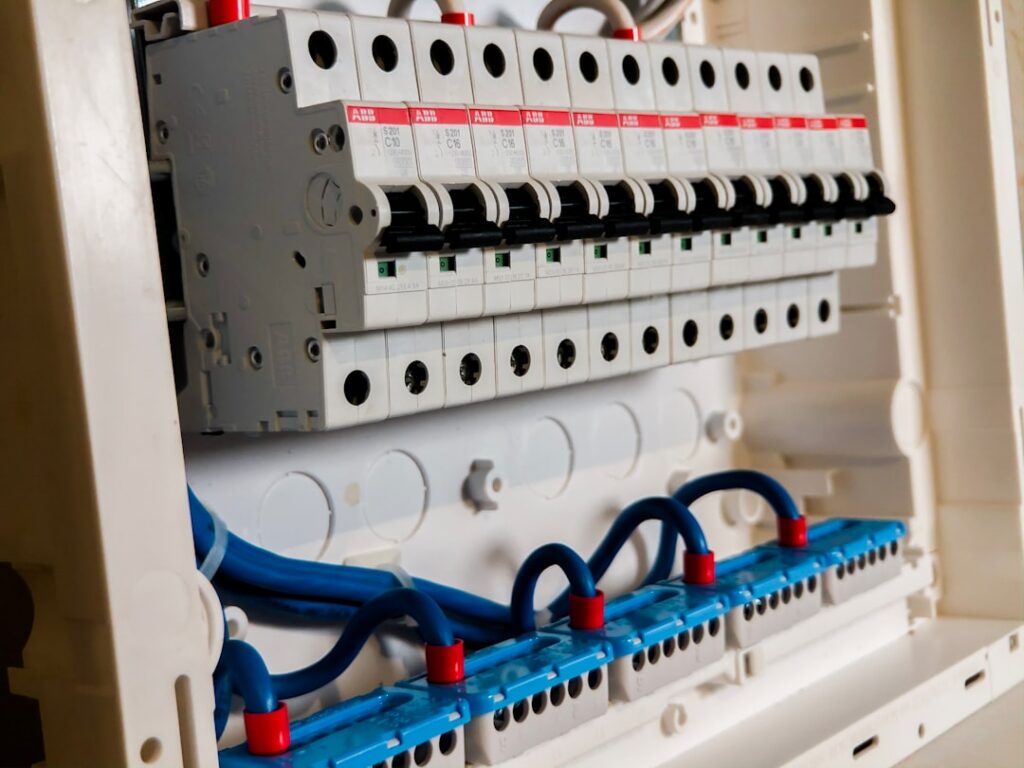
Not all panels are compatible with AFCI breakers, so review the panel manufacturer’s list of compatible models prior to purchase. Certain older panel buses or chassis shapes won’t take contemporary AFCI modules, and forcing a fit jeopardizes contact and performance.
Check panel wiring and space. AFCI breakers are often bigger than normal breakers and may take up more slots or need tandem-friendly spots. Verify branch-circuit wiring continuity and verify proper branch-circuit size for 15 A or 20 A circuits that are typically protected by AFCIs.
Older homes might require panel upgrades or adapters. A panel replacement can feature new bus connections, increased spaces, and a main breaker sized for today’s loads. Install with code-compliant CSA- or UL-listed devices for tested quality.
Devices: Go with CSA-approved to pass muster and get insurance acceptance. Manufacturer listings mention multi-wire branch circuits and handle ties. Save documentation and installation manuals in a folder on or near the panel for future reference.
Retrofitting
Retrofitting AFCIs into existing homes can be easy or tricky. Some circuits allow a direct breaker swap. Others require rewiring or moving neutrals to that same breaker, particularly for shared neutral multi-wire branch circuits.
Combination-type AFCIs provide series and parallel arc protection and are typically recommended for living space retrofit work. Target high-risk circuits like bedrooms and living rooms. AFCI is required for many bedroom circuits under codes.
The 2008 NEC broadened AFCI requirements to cover almost all 120 V, 15 A, and 20 A circuits in homes. Begin with residents’ bedrooms, then work into the living rooms and finished basement.
Standalone AFCI receptacles are an option where breaker replacement won’t cut it. They safeguard downstream receptacles and come in handy for older panels that won’t accommodate AFCI breakers.
Just be careful they can nuisance-trip more frequently in electrically noisy environments. Motored or dimmer-controlled appliances occasionally result in nuisance trips.
Plan for overages. Breaker cost depends on type and brand. Labor increases if panel work or wiring modifications are required. Anticipate premium pricing for Combination AFCIs and for circuits involving neutral rework or panel upgrade.
The Human Element
The human element explores how emotion, bias, habit and social context influence decisions regarding home electrical safety. Homeowners balance upfront expenses, perceived risk and convenience when selecting breakers. Tired, distracted, and stressed makeshifters make errors, so the human factor counts when you’re choosing between AFCIs and traditional breakers.
Risk Perception
Most of us underestimate arc-fault hazards since fires ignite silently and hardly ever make a scene until they get out of control. Standard breakers halt overloads and short circuits, but not high-resistance arcs that can smolder wiring or behind walls. This gap implies that depending on traditional breakers exposes a hidden danger in contemporary homes with increased electronics and extension cord use.
Showing simple examples helps: a lamp cord rubbed under a rug, a loose outlet connection behind a dresser, or a damaged appliance lead can all create arcs that AFCIs are designed to detect. Human error drives a lot of those. An overtired homeowner skips inspection or ignores flickering lights until a problem becomes severe.
Inform family members on what AFCIs are, how to test them, and how they differ from ground-fault protection. Post one-page safety notes or a checklist near the electrical panel to remind residents of testing schedules, signs of arc faults, and when to call a licensed electrician. Nonverbal cues, tone, and concise, brief directives enhance adherence among family members and visitors.
Future Protection
Building codes and technology are trending toward wider AFCI adoption. Dual-function breakers that mix AFCI and GFCI together are becoming common and probably standard in many jurisdictions. Plan electrical upgrades with future code changes in mind.
When renovating a room, consider installing a breaker that provides both arc and ground-fault protection to avoid rework later. Test and maintain it regularly. Put a calendar reminder to test protective devices and check receptacles for fraying.
Human resilience and adaptability mean households can adjust practices. Simple habits like periodic visual inspections, avoiding running cords under rugs, and using proper connectors reduce risk. Bias and habit leave safety upgrades to a later date.
Combat this by budgeting for full protection whenever you’re doing electrical work as usual. It’s comforting to invest in dual function devices because it lessens the dependence on occupants seeing those early warning signs.
Conclusion
Arc-fault breakers decrease the potential for wiring faults to cause fires. Normal breakers stop overloads and short circuits. Both serve obvious purposes. In living areas and older dwellings, arc-fault protection provides a tangible additional safety buffer. In a panel with a lot of appliances, keep standard breakers for high-current circuits and install arc-faults in bedrooms and living areas.
An example is a loose wire in an attic that can spark for hours. An arc-fault breaker will detect that unpredictable arc and trip quickly. Another example is a shop with a big motor that needs a standard breaker sized for that motor’s draw.
Balance cost, code, and where you live. Discuss with a licensed electrician. Get an inspection and upgrade the panel if necessary.
Frequently Asked Questions
What is the main difference between an arc fault breaker and a regular breaker?
Arc fault breakers detect dangerous electrical arcs and cut power. Normal breakers trip only on overloads or short circuits. Arc fault breaker versus regular breaker.
Are arc fault breakers required by code?
Many newer electrical codes, including NEC in the U.S., mandate arc fault protection for bedroom and some other branch circuits. Local codes are different. Check your local jurisdiction or with a licensed electrician.
Can I replace a regular breaker with an arc fault breaker myself?
Breaker replacement is live electrical work and a safety hazard. Consult a licensed electrician to verify compatibility with your panel and to install the appropriate type of arc fault breaker.
Do arc fault breakers prevent all electrical fires?
Arc fault breakers can substantially mitigate fire hazard from arcing, but not from other causes such as overloaded appliances, defective devices, or outside ignition.
Will arc fault breakers cause more nuisance tripping?
New arc fault breakers are better at avoiding false trips. Proper installation and correct breaker type (combination vs. Branch/feeder) lower nuisance tripping. Have a qualified electrician scope out ongoing issues.
How much more do arc fault breakers cost compared to regular breakers?
Arc fault breakers usually cost more per breaker than standard breakers. Prices differ per brand and style, but anticipate an increased initial expense that is offset by enhanced safety and a reduced risk of fire.
Can arc fault breakers be used in older homes with existing wiring?
Yeah, compatibility checks are required. Certain older panels or wiring might need special breakers or upgrades. A professional inspection aids in deciding if panel upgrades or supplemental protections are necessary.