
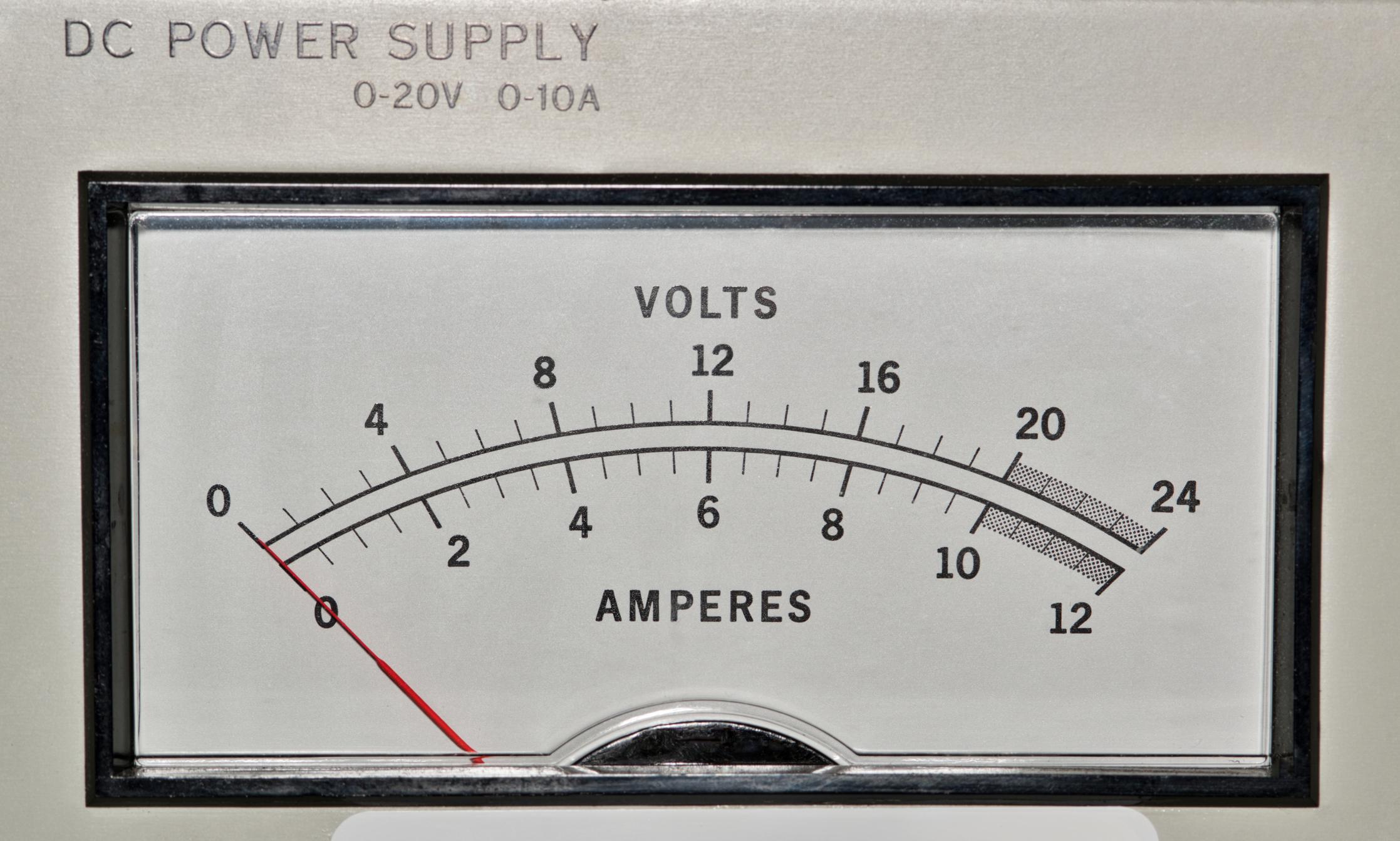

Key Takeaways
- List all the appliances, devices, and systems in your house and use a house amp calculator to convert total wattage to amps to get your baseline needs.
- Estimate your load by matching home size, room count, and layout to recommended service levels using standard guidelines. Factor in major appliances such as HVAC, ovens, and water heaters.
- Add in heavy-hitter appliances and concurrent usage. Use a buffer of a minimum of 20 percent to prevent overloads and enable dependable overhead during peak.
- Select a service level that meets your immediate and future lifestyle needs. One hundred amps is suitable for small or older homes. One hundred fifty amps is appropriate for medium level needs. Two hundred amps is ideal for most modern homes. Four hundred amps or more is necessary for large estates or heavy electrification.
- Examine your current panel and meter, inventory circuit loads, and balance the pros and cons of upsizing versus subpanels to maximize safety, flexibility, and budget.
- Have a licensed electrician come give a full evaluation, do code-compliant upgrades, and provide personalized lifestyle-based recommendations that improve efficiency and handle future expansion.
How many amps do I need for my house is the electrical current necessary to operate appliances and systems securely.
Most new homes have 100 A, 150 A, or 200 A service depending on size, appliances, and heating or cooling needs.
Factors include square meters, the number of high-draw devices such as electric ranges or heat pumps, and future upgrades.
The sections below describe how to estimate needs and when to consult a licensed electrician.
Calculating Your Needs
Generate by determining your electrical service at the main panel. Check the markings on your circuit breakers or main breaker to determine the amp rating. Check conduit size where visible: roughly, 1-inch conduit often aligns with about 60-amp service, 1.25-inch with around 100-amp, and 2-inch with about 200-amp service.
Older homes may still have 30-amp fuse boxes or 60 to 100 amp panels, while many homes constructed during and after the 1960s used 100-amp service.
- Major appliances include an electric range, an electric oven, a clothes dryer, central HVAC, a water heater, and an electric vehicle charger.
- Kitchen appliances and outlets include a microwave, dishwasher, garbage disposal, refrigerator, freezer, and under-cabinet lights.
- Laundry and utility: washer, dryer circuits, water heater controls, and sump pump.
- Living and media: large screen TVs, home theater gear, computer servers, and gaming systems.
- HVAC and cooling: central air units, heat pumps, and portable air conditioners.
- Lighting and general outlets across all rooms and floors.
- Future or optional systems include EV charger, solar inverter, and additional circuits for room additions.
Estimate with a house amp calculator for a good number. Add up the wattage of all devices and divide by 230 to get amps. For a rough calculation, take total square footage multiplied by three to estimate lighting and general outlet wattage.
Add 1,500 watts for each small kitchen appliance anticipated and for each laundry circuit. For example, a 200 m2 (approximately 2,150 ft2) home times three equals 6,000 watts for lights and outlets. Add 3,000 watts for two small kitchen appliances and 1,500 watts to a laundry circuit, then add major appliance wattages and divide the entire thing by 230 to get needed amps.
Account for sustained versus peak usage. Continuous loads—equipment operated for three hours or longer—are counted at 125 percent of their rating when circuit sizing.
Peak times, such as evenings or hot afternoons with air conditioning and six appliances, along with concurrent usage, can push a panel from cozy capacity to overload in a blink. Motors and compressors pull more starting amps with their start-up currents when sizing breakers and service.
Don’t forget to account for all the rooms, outlets, and probable future upgrades. If you’re thinking of doing a renovation, adding central air, an electric range, or an EV charger, it’s time to switch to 200-amp service.
Include a cushion of at least 20% beyond your total calculated to cover surges and growth. Keep in mind that 100-amp is typically the bare minimum these days. Even insurance companies anticipate it.
Standard Service Levels
Residential service levels govern the amount of sustained and peak load a home can endure. Below is a brief table of standard service sizes, their usual application, and primary advantages and constraints to assist in aligning service to family requirements.
| Service Size | Typical Use / Home Size | Benefits | Limitations |
|---|---|---|---|
| 60 amps | Small, older homes (1950s–60s), cabins | Simple, low cost, enough for one 240V appliance | Not suitable for modern living; often fails insurance checks |
| 100 amps | Small to modest homes; many older homes still use this | Minimum acceptable capacity today; lower upgrade cost | May not support central A/C, electric stove, or EV charger |
| 150 amps | Average homes with moderate loads | Better headroom for appliances and some high-demand devices | May still limit major electrification or multiple large loads |
| 200 amps | Most modern homes, new builds, homes with central A/C | Ample capacity for future upgrades, EV charging, solar | Higher installation cost than 100/150 amps |
| 400+ amps | Large homes, workshops, heavy tech or multi-EV setups | Supports multiple HVAC systems, large solar arrays, subpanels | Significant installation and equipment cost; space needed |
100 Amps
100-amp service suits small homes or older homes with low consumption. Several houses still run 100 amps, and that’s still generally considered the minimum nowadays.
It can power simple circuits, lighting, and a few small appliances. It will frequently struggle when a home introduces central air-conditioning, electric ranges, or EV chargers.
Insurance companies might request upgrades from 100 amps if the panel is outdated or overloaded. Only install a 100-amp panel when a calculated load, including lighting, appliances, heating, and motors, remains comfortably below the panel limit.
150 Amps
150-amp service fits the typical home with typical requirements. It provides more than 100 amps for appliances and some larger loads without a complete 200-amp upgrade.
It is well suited for homes with newer appliances and light-to-moderate HVAC, but not for complete electrification plans. Make sure existing wiring and the breaker box are 150 amps rated; otherwise, you’ll need to rewire or get a new panel.
Apply to this level if you anticipate small growth, but not big power changes.
200 Amps
200-amp service is now standard in most new homes and is recommended for remodels. Sizes like this accommodate central air-conditioning, several oversized appliances, and future add-ons such as solar or EV charging.
The primary benefit is scalability and agility. It handles code well in many situations and lowers the risk of nuisance trips. For bigger or growing families, 200 amps provides dependable overhead.
400+ Amps
400-amp and larger systems focus on large homes, workshops, or technology-intensive properties. They service tens of HVAC units, mega-chargers, and massive solar-plus-storage systems.
These systems are frequently combined with subpanels to separate loads by space. Anticipate greater expense and more space for hardware, but acquire obvious scalability and reduced overload threat.
Assessing Your Panel
Begin by finding your main service panel and reading the label or stamped amp rating on the main breaker handle. The amp value listed there, typically 100 A, 200 A, or 400 A, is the service size and indicates the maximum continuous current the panel is rated to carry.
Review your panel. Check the meter and any manufacturer labels inside the panel cover for model numbers, manufacture date, and listed maximum loads. Pay attention to the panel location and any corrosion, water stains, or wiring that may compromise safe operation.
| Item | What to look for | Why it matters |
|---|---|---|
| Panel amp rating | Number stamped on main breaker (e.g., 100 A, 200 A, 400 A) | Indicates service capacity |
| Panel size (number of spaces) | Count breaker slots and tandem breakers | Shows how many circuits you can have |
| Age and make | Date on label or manufacturer info | Older panels may lack modern safety features |
| Fuse box presence | Large round fuses instead of breakers | May be undersized and harder to upgrade |
| Double-lugging or overloaded bus | Multiple wires under one breaker screw | Safety and code concern |
Look for antiquated fuse boxes or undersized breakers. Lots of small or older homes still have 60 A or 100 A fuse panels. A 100-amp panel can suffice for a compact dwelling with gas appliances and modest loads, but it will constrain future expansion and may struggle with electric heat, several large appliances, and contemporary electronics.
Panels that have fuses, cloth insulation, or ungrounded two-prong outlets are an indication of wiring and grounding that probably require updating.
Take an inventory of your panel. Identify all your breakers, identify the circuit’s function (kitchen, dryer, HVAC, lighting), and estimate or measure load in watts for large appliances. For instance, a standard electric range can pull between 8 and 12 kilowatts, a dryer between 2 and 5 kilowatts, and an AC zone between 3 and 6 kilowatts.
Add these loads and test against your panel’s capacity in amps. This is done by dividing the total watts by the service voltage, which is typically 230 volts in most countries or 240 volts in the US. It indicates if you’re near continuous load limits and if a new appliance will cause trips.
Think ahead about future requirements and wiring status. Single-family homes typically have 200 A in most new construction homes and provide headroom for EV chargers, heat pumps, multiple HVAC zones, and more.
Big estates or multi-unit residences might require 400 A with a pair of 200 A load centers. If breakers trip frequently, circuits are overloaded, or wiring is ancient, schedule an upgrade. Upgrading minimizes trip hazards, accommodates new appliances, and increases safety.
Talk to a licensed electrician to verify findings and receive costed options.
Underpowering vs. Overpowering
Underpowering a home electrical service means your main panel and branch circuits are unable to consistently handle the peak loads you run. That results in fried circuits, constantly tripped breakers, annoying outages and, in even worse cases, heat buildup in wires or connections that increases fire danger.
On the ground, underpowering manifests itself in a kitchen or laundry cycle that trips breakers or starter motors dimming lights over and over again. Avoiding underpowering requires honest load accounting: list continuous and noncontinuous loads in watts, convert to amps using the supply voltage, and include motor starting currents and diversity factors where appropriate.
Overpowering or oversizing the service leaves room for expansion and minimizes the risk of nuisance trips. A bigger service can accommodate additional HVAC, EV charging, or workshop equipment without immediate panel upgrades.
The primary trade-offs are the more expensive up-front installation of a larger meter, panel, and conductor sizes and occasionally wasted capacity that goes unused for years. Oversizing is smart if you anticipate increased loads in the next few years. Otherwise, it ties up budget and can make permits more difficult in certain jurisdictions.
Balance is the practical path: choose an amp service that matches current loads plus a reasonable safety margin. For the majority of today’s single-family homes, typical options are 100 A, 150 A, or 200 A services.
Larger homes or those with electric heat, EV chargers, or workshop equipment often require 200 A or higher. Calculate load with an amps calculator that uses the accurate conversion from watts to amps and local code demand factor rules.
The calculator will show the minimum service size needed and let you test scenarios. Add a 7 kW EV charger, a 3 kW heat pump, or higher kitchen loads to see when a larger panel becomes necessary.
Use our amps calculator to prevent unnecessary overkill while avoiding under-sizing. Put in all your major appliances, HVAC, lighting, and expected future loads.
It helps quantify margins so you can decide whether a 20 to 30 percent buffer is enough or if you should leap to the next standard service size. Include motor starting and inrush values, which can result in brief but large current draws that influence breaker selection and feeder sizing.
Analogy with audio equipment clarifies risk management: underpowering a speaker often causes clipping and damage, while overpowering can harm a speaker if clean power exceeds its rating.
Similarly, a service sized too small clips system capacity and causes failures. A much larger service can handle clean high loads but will still allow damaging stress if used irresponsibly.
Beyond The Numbers
Measuring amps is in the context of a larger choice. Be aware of the existing service rating, panel type, and typical loads prior to any modifications. Older homes may continue to operate on fuse boxes or low capacity services, and many of those were later upgraded to 100 amps.
Larger or newer homes typically require 200 amps or more. Between the conduit size and visible hardware, you get hints as to the capacity, but it’s no substitute for a good once over. Upgrading service capacity enhances safety, reliability, and code compliance and should be designed with lifestyle and future needs in mind.
Lifestyle Impact
- Too many mouths to feed and WFH setups that run two or three computers and monitors.
- Cooking habits: Electric ranges, ovens, and induction cooktops draw high continuous currents.
- Laundry and cleaning: multiple washers, dryers, and dishwashers running near simultaneously.
- Heating and cooling: central air conditioners, heat pumps, or electric heating systems.
- EV charging requirements for one or more EVs at home.
- Power tools and hobby gear: workshop compressors, welders, or high power audio rigs.
- Outdoor equipment includes pool pumps, landscape lighting, and electric gate motors.
Appliances that should have their own dedicated circuits include EV chargers, electric ranges, big AC units, and big workshop tools. Seasonal use changes matter: summers raise HVAC draw, and winters may increase electric heating.
Household habits—operating multiple machines simultaneously, charging multiple devices simultaneously overnight, or operating a home gym—shift peak demand and may drive a 100-amp service beyond its comfort zone.
Efficiency Gains
Going LED and ENERGY STAR chops steady amp draw and tames spikes. Smart home systems allow you to stagger loads, set schedules, and remotely control high-draw devices to prevent simultaneous peaks.
Sealing, insulation, and HVAC improvements decrease heat and cooling runtime and frequently sidestep a bigger panel. Beyond the numbers, monitor whole-home energy either with a meter or a smart monitor to identify spikes and focus reductions.
Upgrades might allow you to maintain a lower amp service while meeting needs more comfortably. For instance, swapping out an older electric water heater for a heat pump one decreases draw.
A measured approach that pairs efficiency upgrades with minor panel alterations can be economical and future-proof.
Resale Value
A smart full-capacity panel speaks to buyers and today’s standards. Homes with updated 200-amp services usually sell with less inspection objections than those with 60 to 100-amp systems.
All that new electrical work in your listings, remember to mention any code upgrades, new breakers, and EV ready circuits that you installed. Buyers are now anticipating infrastructure for electrification trends such as EV charging and home batteries.
Homes built prior to 1950 tend to exhibit low capacities and antiquated fuse boxes. Substituting these with circuit breaker panels, common since the 1960s, is a safety and market differentiator.
Professional Consultation
A pro consultation grounds the reality of how many amps your house requires by connecting load, panel capacity and future plans. An electrician begins with a visual and meter-based inspection of the service entrance, meter, main breaker rating and distribution panel to verify the nominal amperage and the practical condition of the system.
This step indicates if the panel rating, such as 100 A, 150 A, or 200 A, corresponds to the wiring, grounding and breakers in place, as well as whether they are safe and code-compliant.
Hire a licensed electrician to inspect your electrical panel and assess your home’s amp requirements.
Bring in a qualified electrician that can perform a load calculation based on current and anticipated usage. Your electrician will enumerate major fixed loads such as HVAC, electric water heater, oven, and dryer.
They will add branch circuits and general lighting loads and account for any anticipated high-draw additions like an EV charger or heat pump. For instance, a tiny apartment with electric cooking and a dryer might only need 100 to 150 amps, whereas a larger home with several high-demand appliances and frequent EV charging often demands 200 amps or more.
The certified pro will record measurements and generate a written ampacity report you can submit for permits.
Request a comprehensive evaluation of your wiring, breaker box, and overall system capacity.
Request checks for conductor sizes, insulation condition, evidence of overheating at lugs or breakers, and adequacy of grounding and bonding. The electrician inspects branch-circuit distribution, identifies undersized wiring which risks overheating, and tests for loose connections and arc-fault issues.
They can run infrared scans to spot hot spots and use clamp meters to measure load on major circuits. This evaluation clarifies whether wiring needs partial replacement, breakers need upgrading, or the panel must be swapped to match a higher service.
Obtain recommendations for safe and cost-effective electrical service upgrades if needed.
Receive upgrade options with cost estimates and timelines. Possible solutions could be swapping out the main panel for a higher-amp twin, adding subpanels, upgrading service conductors, or dedicating circuits to EV charging or a solar inverter.
The trick, the electrician will explain, is balancing short-term fixes against long-term value. Adding a 60 A dedicated EV circuit now may be cheaper than switching your entire service over later. Request energy management ideas that reduce peak demand and decrease upgrade expense.
Ensure all work meets local codes and insurance requirements for maximum safety and reliability.
Check for permits, inspections, and conformance with the local electrical code and insurance requirements prior to work starting. Your electrician should offer paperwork showing code compliance and warranty information.
Conclusion
Average homes utilize 100 A to 400 A main service. Match service size to actual load. Write down major appliances. Note their running amps and start-up amps. Combine the largest simultaneous draws. Reserve 240 V for substantial loads such as dryers, ovens, and heat pumps. Leave a buffer for future equipment and extra circuits.
A 100 A feed suits small homes with limited electric heat loads. A 200 A feed fits medium homes and newer equipment. A 400 A feed caters to large homes and heavy electrification, such as whole-house EV charging and HVAC. A good electrician can test panel limits and measure actual load. Book a pro if panel age, strange wiring, or any safety questions are present.
Don’t wait for an outage or expensive repair. Schedule a load test and upgrades now.
Frequently Asked Questions
How do I calculate how many amps my house needs?
Add up all your major appliances and circuits in amps. Apply diversity and a margin of safety. For precision, translate watts to amps by dividing watts by voltage, which is 230 V or 120 V. Have a licensed electrician check the total.
What is the most common service size for homes?
Most new homes are either 100 A, 150 A, or 200 A service. Many newer or larger homes have 200 A for future needs. Service size is dependent on your appliances, HVAC, and planned loads.
Can I add more circuits instead of upgrading service?
Adding circuits aids distribution but doesn’t increase total amperage from the utility. If total demand is greater than your panel rating, you’ll still need a service upgrade. An electrician can advise what option is more cost saving.
What signs show my house needs a higher amp service?
If your breakers regularly trip, lights dim whenever an appliance starts, or you’re trying to use multiple high-powered devices at once, this means you have inadequate service. These are warning signs to call in an electrician.
Is it dangerous to run a house with an undersized amp service?
Yes. Overloaded service can lead to overheating, frequent breaker tripping, and a fire hazard. Service and panel upgrades eliminate hazards and enhance reliability.
How does panel age affect amp capacity?
Older panels can have lower amps and bad components. Even if wiring appears okay, replacement can increase safety and bring it up to modern standards. A licensed electrician can check the age and condition.
When should I consult a professional for an amp upgrade?
When in doubt, talk to a licensed electrician before big renovations, buying heavy appliances, or if you experience electrical issues. Pro electricians guarantee code compliance, precise load calculations, and secure installation.