
Key Takeaways
- Keep an eye out for red flags, such as flickering lights, warm outlets, and strange odors, to catch wiring problems early.
- Look for exposed damage such as frayed wires, loose connections, and corrosion to minimize the chances of an electrical fire.
- Check appliance performance and circuit breaker activity, as frequent malfunctions could indicate wiring issues.
- Factor in the age of your wiring system and environmental elements like moisture or pests, as they can impact safety and reliability.
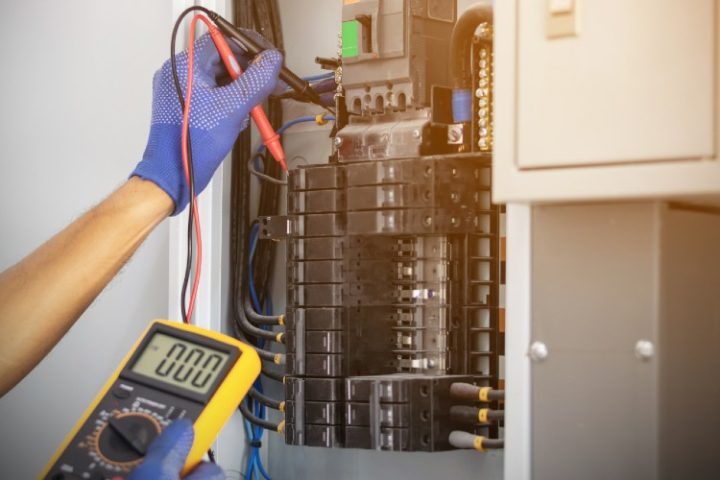
- Adopt safe inspection habits and trusty tools such as voltage testers to check your electrical system routinely.
- Have professionals check and fix issues early to safeguard against fire, electric shock, and appliance damage.
Indicators of poor electrical wiring hidden in walls can consist of lights that flicker, circuit breakers that trip frequently, overheated or stained wall outlets, and buzzing noises emanating from switches or outlets.
Bad wiring can lead to power outages, equipment damage, and even fires. Identifying these signs early keeps homes safe and avoids expensive repairs.
The following sections provide additional information on identifying these problems and what to do if you encounter them.
Recognizing The Symptoms
Identifying issues in your electrical system could save you from a fire hazard or expensive repair. Good awareness and a general knowledge of how home electrical systems work are crucial. Many danger signals are simple to detect with your senses if you’re aware of what to watch out for.
1. Sensory Clues
A burning smell is a big red flag. If you smell melting plastic, hot metal or burning rubber around outlets or switches, there’s a possibility that wires are overheating. This frequently indicates a fire risk and requires immediate action.
Buzzing or crackling from outlets or switches sometimes indicates loose connections or wires arcing inside the wall. Flickering lights, particularly if they occur in multiple rooms or persist, are an additional indicator of unstable voltage or bad connections.
Sparks when you plug in your device are never normal. If you notice them at the outlet, it could be an indication of frayed wires or damaged components behind the wall.
2. Visual Evidence
Frayed wires or insulation that appears cracked or split are obvious fire hazards. Outlets and switches may be burned or appear discolored, which typically indicates heat has developed from faulty wiring.
Be on the lookout for loose connections at outlets and switches. If plugs don’t fit snug or the faceplate moves when touched, the wiring behind might be loose.
Corrosion, appearing as greenish or whitish deposits on wires or terminals, indicates the wires are deteriorating. In junction boxes, too many wires or sloppy connections can cause heat and faults. They are simple to notice when doing any home fixes or improvements.
3. Performance Failures
Some appliances will quit working or behave strangely if the wiring is bad. If lights dim or flicker when you use other appliances, it could indicate that the circuit is overloaded or has a loose wire.
Fuses or circuit breakers that trip frequently, anything more than about once a month, indicate a more serious problem, such as worn wiring or overloaded antiquated circuits. Power strips and extension cords that warm up or frequently trip can indicate wiring issues behind walls.
4. Physical Sensations
Warmth on outlets or switches can signify overloaded wires or loose connections. Consider tingling when you touch an appliance or outlet as an early warning of a shock risk from faulty wiring.
Vibrations or movement from a wall socket usually indicate loose or broken wires within. Hot surfaces on electrical devices, particularly if new or previously not hot, demand wiring and connection checks.
Unseen Influences
Wiring inside walls endures hazards that humans seldom witness. Issues can begin at the age of the wiring, the setting it resides in, insects, or even old remodels. Each introduces distinct risks that, when not managed, can spark fires or outages.
Wiring Age
Old houses frequently conceal antique wiring that’s no longer up to code. Many pre-1990s homes may still have unprotected wiring. These absent safety features render the system prone to collapse.
Aluminum wiring, found in certain houses constructed between 1965 and 1978, is a notorious vulnerability. It expands and contracts more than copper, loosening connections and sparking. Aluminum corrodes faster too, resulting in more heat, more resistance, and greater fire peril.
Wiring is not eternal. The insulation can become brittle, crack, or crumble after decades. Spring clips in backstabbed outlets become loose with age, with connections loose. This heats up and depletes the system even further.
Old fuse panels, in particular those over 30 years old, were simply not designed to meet today’s energy demands, resulting in overloaded circuits and failures.
Environmental Factors
Humidity is the basement and crawl space killer. Damp air can infiltrate wiring, corroding metal components and deteriorating insulation. Over time, this corrodes the wire and increases the potential for shorts.
Extreme heat or cold matters, too. Excessive heat can melt or weaken insulation, exposing wires. Freezing cold does this to insulation because it makes it stiff and easy to crack.
Wires by doors or windows can get pinched or rubbed, wearing out the coating. Flood or rain moisture destroys wiring quickly. Even when water dries, the minerals it leaves behind continue pulverizing the wires.
Trees and roots too close to buried wiring can push, pull, or even break cables hidden beneath.
Pest Damage
Rodents and insects can be a devil of a problem. Mice or rats chew on wire insulation, exposing bare wire. This can ignite, overheat, or short-circuit.
Nests constructed adjacent to or within electrical boxes provide additional fire danger. Chewed wires and droppings left behind provide electricity with a path to jump to, causing more damage.
Loose wiring can be caused by pests rearranging connections behind outlets or switches. Signs of gnawing, droppings or nests around outlets or panels cannot be overlooked.
Continued pest control and regular inspections are critical to maintaining safe wiring.
Preliminary Assessment
A preliminary assessment is a key first step in spotting risks with electrical wiring in walls, especially in older homes or buildings that have not had recent checks. Many fires, over 51,000 a year in the U.S., start behind walls or in old breaker boxes before anyone sees signs. Early inspection helps catch issues before they turn into emergencies.
Safe Inspection
- Do: Turn off main power at the breaker before any inspection.
- Do: Use insulated tools to check wiring or outlets.
- Do: Wear gloves and safety goggles for eye and hand protection.
- Do: Check every room, outlet, and switch for signs of trouble.
- Do: Look for flickering lights or buzzing sounds.
- Don’t: Work alone, always have someone nearby for safety.
- Don’t: Touch exposed wires with bare hands.
- Don’t: Ignore warm or hot outlets and switch plates.
- Don’t: Attempt major repairs without proper training or permits.
By using insulated tools, you reduce the risk of shock. Gloves and goggles provide an additional layer of protection. Go room to room, inspecting outlets for heat, strange odors or differences in the light quality. Don’t be in a hurry, and if in doubt, hesitate.
Simple Tools
- Non-contact voltage tester
- Wire strippers
- Crimpers
- Flashlight
- Insulated screwdriver
- Electrical tape
- Notebook for notes
A no-brainer, non-contact voltage tester. It allows you to test a wire for current without making contact. This avoids shocks and makes it safer for all involved.
Wire strippers and crimpers are useful for secure small repairs such as reconnecting loose wires or trimming off damaged ends. Electrical tape is great for temporarily hiding exposed wires until you can get things fixed.
Maintain a checklist of these implements per inspection. A flashlight will assist in locating problems in dark corners or behind furniture.
Code Compliance
Nearly everywhere has a national or local safe wiring code. These codes establish guidelines for wire gauges, grounding, and breaker sizes. Familiarize yourself with these norms prior to auditing any regime.
Get a wiring up-to-date code check. Old panels or wiring, such as knob-and-tube or aluminum, typically don’t measure up. These kinds can be discovered in homes 30 years old and below and just can’t sustain today’s power requirements.
Look for these and see if they require upgrades. Faulty or old wiring can get you into legal trouble renovating if not up to code.
It’s savvy to record any problems you encounter. This assists with determining repair priorities and monitoring its evolution.
Inherent Dangers
Defective electrical wiring in walls poses dangers far greater than mere annoyance. Old or faulty systems lead to fires, injuries, and property damage. Many dangers are quiet, accumulating long before obvious symptoms are visible. The table below summarizes a few of the most frequent dangers.
| Danger | Description |
|---|---|
| Fire | Overheating wires can ignite walls, insulation, or nearby objects. |
| Electric Shock | Exposed wiring or faulty outlets pose a risk of serious injury. |
| Appliance Damage | Unstable voltage can burn out or break home electronics and devices. |
| System Failure | Old panels or wiring may fail suddenly, causing outages or silent fires. |
Fire Hazards
Overheated wires concealed behind walls have the potential to ignite insulation or wooden framing. Loose connections in aluminum wiring may spark and catch dust or building materials on fire. Knob-and-tube, popular prior to the 1950s, is inherently dangerous because it isn’t grounded and as the wires within it get brittle with age, fires become more likely.
Overloaded extension cords or power strips, particularly when combined with space heaters, are a major cause of home fires. Ancient circuit panels might not trip during overloads, allowing wiring to heat unchecked.
Warm or discolored outlets, frequent breaker trips, or a faint burning smell are signs of overheating wires. This could spark a fire behind a wall where it would go undetected. They are key to early warning, particularly in older homes with aging wiring. Routine electrical inspections, in particular for pre-1980s vintage homes, identify these hazards before they become catastrophes.
Shock Risks
Electric shock from faulty wiring is a genuine hazard. Touching wet surfaces near outlets or appliances is more hazardous, particularly if that outlet isn’t grounded. Ungrounded outlets, which still lurk in older homes, can allow current to pass through individuals, resulting in severe injury or death.
GFCIs are a known means to reduce this risk. They switch off power when they detect an issue, so they’re crucial for kitchens, bathrooms, and outdoor outlets. Frayed or absent wire insulation can expose live elements, causing shock risks in unseen locations.
Appliance Damage
Bad wiring can fry home electronics and appliances. That unstable voltage causes delicate electronics such as your computer, television, and refrigerator to deteriorate at a quicker rate. It can manifest itself in flickering lights, buzzing, or appliances failing without any apparent cause.
Occasionally, you’ll hear crackling or popping near outlets when things are plugged in. Fixing wiring issues protects your investment. Changing out old or defective wires can prevent additional damage and prolong the lifespan of your devices.
The Electrician’s Perspective
From the standpoint of a skilled electrician — who evaluates them by the tell-tale evidence inside the walls and circuitry — bad wiring involves not only visual inspections but particular safety procedures. Understanding the signs and how to react is vital to avoiding dangers such as fires or electrical shocks.
Diagnostic Process
The initial step is a cautious walk-thru to identify indicators like regular breaker trips, flickering lights, and burning smells. Devices such as voltage testers, thermal cameras, and circuit analyzers assist in identifying lurking issues.
That discoloration around outlets or switches or signs of frayed or corroded wiring get flagged immediately. Electricians look for aluminum wiring too, particularly in older homes, as it is a fire hazard.
They write down every symptom, from flickering lights to quick power drop. This history aids repair and maintains communications between the homeowner and the electrician. Informing us of recent breaker trips or nonworking outlets expedites the process and everyone knows what to expect.
Repair Options
When you’re repairing bad wiring, electricians consider quite a few choices. Small things like changing an outlet or repairing a loose connection are simple.
More severe issues, such as old or overloaded circuits and backstabbed connections, could require rewiring, in part or as a whole. Updating to modern wiring standards, installing GFCI or AFCI protection, or even replacing aluminum wiring with copper are typical answers.
From the electrician’s point of view, occasionally, a handy man might like to do little jobs. With larger problems—particularly anything in walls or around breaker panels—it’s better to bring in a pro, licensed electrician.
Timely repairs prevent issues from compounding and make the entire system safer.
| Repair Option | Description |
|---|---|
| Outlet Replacement | Swap damaged or discolored outlets for new, safer versions |
| Rewiring | Replace old or faulty wires, including aluminum with copper |
| GFCI/AFCI Installation | Add protection against shocks or arc faults |
| Partial Rewire | Update wiring in affected rooms or circuits |
| System Upgrade | Bring entire system to current electrical codes |
Modern Solutions
Modern electrical systems improve safety and convenience. Smart home tech allows users to monitor power consumption, identify overloads, and even remotely switch off circuits.
Newer systems may incorporate energy-efficient lighting, improved circuit layouts and panels. Routine checkups, though, particularly with smart monitoring, nip minor problems before they snowball and keep you current with fresh safety codes.
Proactive Protection
Proactive protection is for finding and resolving wiring issues before they become serious. A lot of homes, especially older ones from before the 1990s, don’t have those kinds of modern safeguards such as GFCI or AFCI protection. That makes routine inspections and updates all the more imperative, as vintage electrical panels aren’t designed for modern-day energy demands.
Electrical issues are a major hazard. Electrical malfunctions or defects spark more than 51,000 home fires annually in the U.S. Alone. A little proactive protection goes a long way toward reducing the fire, shock, or other potential hazards arising from bad wiring.
Routine maintenance checks are a no-brainer way to intercept trouble early. Watching for indicators like flickering lights, warm outlets, or frequent breaker trips can catch issues before they escalate. It’s good to test GFCI outlets every month by pressing the ‘TEST’ button.

These outlets are designed to interrupt power in the event that they detect a ground fault, assisting in shock prevention. If it doesn’t trip and reset, it may need replacing. If your home lacks these outlets, think about getting them installed in kitchens, bathrooms, and exteriors.
Educating everyone in the household on fundamental electrical safety can protect against mishaps. Remind family members not to overload outlets, run cords under rugs or use damaged plugs. Kids need to be educated about keeping things away from outlets and not playing with electronics with wet hands.
By taking a moment to explain why these rules matter, you might keep us all safer, wherever you happen to live. Another easy step is to add surge protectors, which protect against sudden surges of voltage that can fry appliances and cause fires. Nice surge protectors are available for specific devices or integrated into your home’s primary electrical panel.
In addition to being handy for locations that experience regular lightning storms or grid fluctuations, it’s excellent hygiene for any abode. Surge protectors aren’t going to repair bad wiring, but they can provide a nice additional layer of protection.
Proactive Protection, regular inspections from a licensed electrician are the key, especially for older homes. They can check wiring behind walls, test your electrical panel load, and inspect for arc faults, where the electricity jumps between wires, which often cause fires.
Routine expert examinations detect issues that are difficult to identify or resolve without expertise.
Conclusion
Weird odors, weird flickers, warm spots on outlets, or recurring blown fuses are all the hallmarks of covert danger. They don’t just appear out of nowhere. They exhibit genuine hazards that lead to damage or injury if ignored. Basic checks help, but eyes trained to look see more. Electricians know how to track down faults and prevent minor issues from becoming big ones. Being aware and responding quickly makes homes secure. To keep it simple and safe, check your space from time to time, seek support if you spot a caution flag, and chat with a pro if things feel wonky. Safety begins with one step; take that call if you aren’t sure.
Frequently Asked Questions
What are common signs of bad electrical wiring in walls?
Frequent circuit breaker trips, flickering lights, burning smells or buzzing sounds from outlets can indicate bad wiring. Warm or discolored wall plates are warning signs.
Can old wiring be dangerous even if it still works?
Yes. Because old wiring, even if devices still work, might not be up to modern standards and can overheat and cause fires or shocks.
Is it safe to check electrical wiring myself?
It’s not advised. Messing with electrical wiring when untrained is extremely dangerous. Always hire a licensed electrician to inspect and make repairs.
How can unseen wiring issues affect my home?
Unnoticeable problems, such as frayed wires, may lead to electrical fires or equipment damage. They can result in higher energy bills from inefficient current flow.
What should I do if I notice a burning smell from an outlet?
Turn off power to the outlet right away and do not use it. Call a professional electrician to check and repair the issue.
Why do lights flicker when using appliances?
Flickering lights are a telltale sign of overloaded circuits or loose wiring. This might be a sign of bad wiring and should be inspected by a professional.
How can I prevent electrical wiring problems in the future?
Have a licensed electrician inspect your home on a regular basis, don’t overload outlets, and replace old wiring as recommended. Regular care can thwart danger.