
Key Takeaways
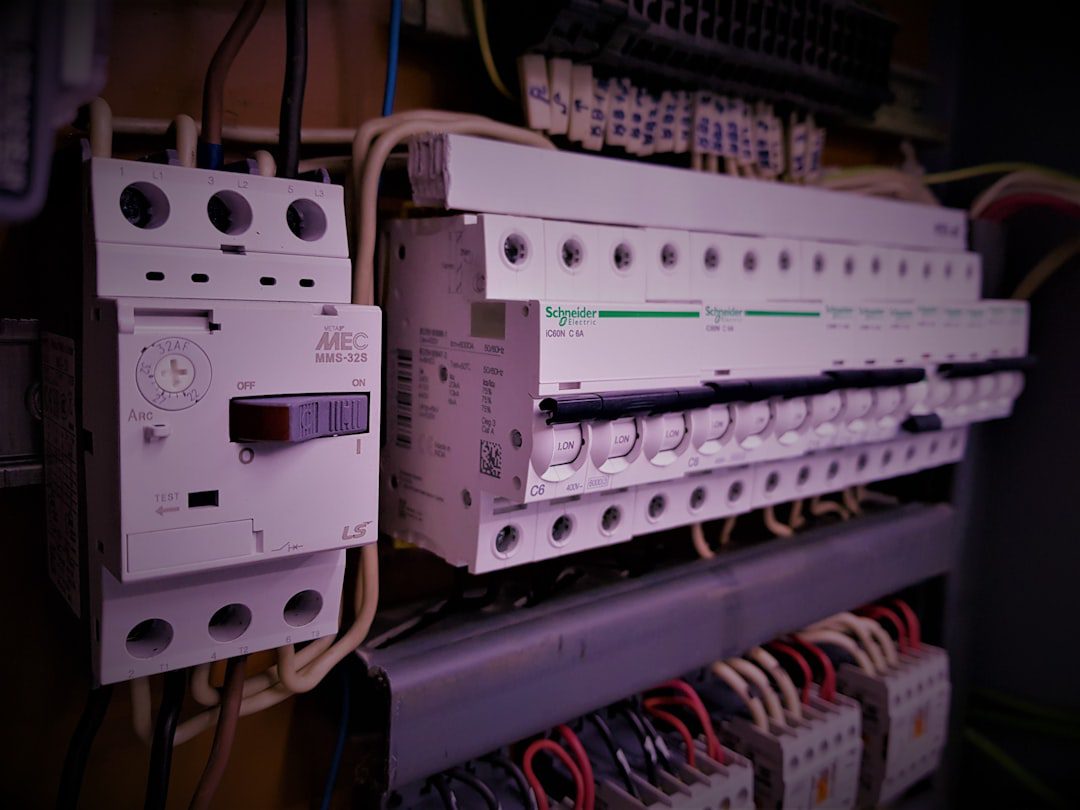
- If your breakers trip frequently, you have flickering lights, you hear buzzing or notice visible damage like rust and scorch marks, your panel likely needs an upgrade. If you observe these signs, have them immediately inspected and documented, and call a licensed electrician to take a look.
- All panels older than 25 to 30 years, run on fuses, or are a known-risk brand should be replaced to comply with modern safety standards and local codes by verifying the date of installation and cross referencing it with current code requirements.
- Adding major appliances or depending on power strips and extension cords are sure signs of a lack of adequate capacity. Determine your household load and compare it to your panel’s amperage to decide if you need a panel with more capacity.
- Ancient or overloaded panels increase the chances of electrical fires, damaged appliances, and flunked insurance or real-estate inspections. Make safety and loss prevention their number one upgrade priority!
- An upgrade to your panel not only improves your safety and supports future electrification like EV chargers or solar, it can increase your property value. Make sure whole-home surge protection, updated wiring, and proper grounding are included in your plan.
- Keep your panel healthy with routine self-inspections, documented load calculations, a budget for timely upgrades, and scheduled professional inspections. This approach saves you from emergencies and ensures long-term reliability.
Signs you need an electrical panel upgrade are either visible problems or frequent limits that indicate your home wiring is outdated. Typical signs are recurring breaker trips, flickering lights when large appliances operate, warm or discolored panel covers, and loose outlets that don’t hold plugs firmly.
Older panels don’t have room for contemporary circuits and safety features such as ground-fault protection. The main body details causes, costs, and how to upgrade safely.
Key Indicators
These signs show when an electrical panel may no longer meet a home’s needs or safety standards. The items below explain what to look for, why each matters, where problems typically show up, and how to judge urgency.
1. Breaker Behavior
There are numerous indicators that your panel or breakers are overloaded, and frequent circuit breaker trips are among them. If breakers trip frequently when kitchens, laundry, or HVAC run, the main breaker amp rating, particularly 60, 100, or 150 amps, may be too low for contemporary loads.
Resetting on a frequent basis isn’t normal. Every reset is a hint to an underlying problem. Breakers that won’t reset or that feel warm to the touch indicate overheating and internal wear. A burning smell or visible scorching in the vicinity of the breaker area makes a fire hazard more likely and necessitates immediate inspection.
If several breakers trip together, that can indicate an issue at the panel level, not in a single circuit. Measure how frequently resets have to be made and which appliances were operating. Note this prior to calling a professional electrician.
2. Light Fluctuations
Dimming or flickering lights when heavy appliances start is a classic sign of bad power distribution. This can happen during concurrent loads, such as a microwave, washer, and oven, or when one device pulls a high start-up current, exposing inadequate panel capacity.
Random power surges or flickering of lights due to momentary voltage dips can be symptoms of loose connections or failing breakers. Flickering lights in some rooms can indicate local wiring problems or a panel that has difficulty balancing loads.
Buzzing switches or light fixtures are not normal. They frequently can be traced to loose or corroded terminals at the panel and merit prompt evaluation.
3. Physical Damage
Rust, corrosion, or evidence of water infiltration on the panel exterior are instant warning signs. Moisture accelerates panel deterioration and increases shock hazard. Scorch marks, melted insulation, or a burnt smell close to the panel indicate previous overheating incidents and potential arc faults.
Beware of loose, frayed, or exposed wires inside or near the panel as these are hazardous and indicate bad connections or aging. A panel door that won’t close properly exposes elements to dust and harm and should be repaired or switched out promptly.
4. Panel Age
Panels older than roughly 25 to 30 years typically do not have modern safety features and may be approaching end of life. Most last 40 years but wear out faster in high-traffic houses.
If the box utilizes fuses or is an older, unsafe brand, like a few select Federal Pacific Electric boxes, schedule to replace it. Write down the installation date, compare to contemporary ciphers, and rethink upgrade if you add major systems.
5. Appliance Demands
If installing new appliances trips or goes out, your panel probably doesn’t have enough amperage. Identify major appliances and compare their combined draw to the panel’s rating because heavy loads can easily overwhelm 60 to 150 amp systems.
You need power strips and extension cords because there are too few circuits and/or outlets. Consider if your future additions—bigger HVACs, EV chargers, or solar inverters—can be accommodated without panel upgrades.
If you can’t run your appliances at full power or experience regular outages, this indicates inadequate panel capacity and a heightened fire hazard.
Underlying Risks
An electrical panel that is outdated, undersized, or damaged creates several layered risks that affect safety, equipment longevity, and legal standing. The points below break down primary hazards so readers can judge the urgency of an upgrade and where to look first.
Fire Hazards
Overheated breakers and wiring are often precursors to electrical fires. Heat accumulates when circuits conduct excess current beyond their intended capacity. Insulation degrades, connections become loose, and arcing develops.
Look for darkened breaker faces, scorch marks around the panel, or warped plastic as visual indicators. Sparking at outlets, smoke or a lingering burning smell should be an instant cause to discontinue circuits and get them inspected by professionals.
These signs may signify active arcing or smoldering insulation within walls or panels, which can ignite surrounding materials rapidly. Overcrowded breakers and double-tapped circuits place added load on single terminals and have a tendency to loosen connections.
In practice, this manifests when a few high-draw devices operate on a single circuit, such as kitchen appliances, space heaters, or laundry machines, and the breaker becomes warm to the touch or trips often. Old fuse panels and early breaker panels don’t have ground-fault or arc-fault protection.
These protective devices disconnect electricity in hazardous fault situations. Without them, faults can linger too long and catch fire.
Appliance Damage
Power surges and spikes happen all the time and they shorten the life of your electronics. Each spike puts stress on capacitors in everything from your TV and computer to your refrigerator. Over months, repeated activity leads to wear and unpredictable behavior.
The jolt of inconsistent power delivery from an older panel may cause appliances to misstart or stop mid-cycle. Stopping washers, rebooting HVAC systems, and ovens that can’t reach a set temperature are some real-time examples.
They most frequently trace back to feeble or unstable circuit supply. Voltage drops on overloaded circuits stress motors and control boards. Sensitive equipment either reboots, shows errors, or dies permanently when voltage sags below operating thresholds.
A surge protector might hide the problem, but it won’t prevent underlying panel insufficiency. Frequent resets of appliances, blown fuses, or sudden motor failures are all indications that the panel can’t keep up with household demand and requires capacity or safety upgrades.
Code Violations
See how your panel stacks up against local electrical codes. Codes change. What was permitted decades ago might be unsafe today. Begin with breaker labeling, panel clearances, and modern protection devices.
Absent or improper grounding is prevalent in older installations. Ungrounded systems raise shock risk and render surge protection useless, leaving electronics and humans vulnerable to damage.
Common code violations include:
- Panels in closets or inaccessible spaces eliminate the working clearances and violate access rules.
- Double-tapped breakers where two conductors share a terminal not rated for that use increase overheating risk.
- Ungrounded or unbonded neutral and ground conductors allow dangerous voltages on metal parts.
- No AFCI or GFCI protection where presently required, leaving circuits without current fault detection.
Code failures can void insurance claims and bring real estate deals or rehabs to a halt if an inspector identifies a red flag.
Upgrade Advantages
Upgrade benefits are risk reduction, capacity increases, long-term value and efficiency improvements. Below I detail the Upgrade Advantages, what they mean in practice, and how they relate to safety, resale and the future.
Enhanced Safety
Newer circuit breakers and safety devices offer superior protection from overloads, short circuits, and arc faults. Arc fault circuit interrupters (AFCIs) sense arcing that can ignite fires and de-energize the circuit more quickly than old-style breakers. Ground fault circuit interrupters (GFCIs) guard against hazardous shocks in moist locations.
New panels meet current code requirements and minimize secret dangers that antique equipment can harbor. Modern panels reduce the risk of overheating and electrical fires with advanced bus bars, tighter connections and surge protection. A newer panel reduces the frequency of nuisance trips that occasionally shadow more significant wiring defects.
- AFCIs reduce fire risk from arcing faults.
- GFCIs prevent shock in kitchens, baths, and outdoors.
- Improved breakers handle higher inrush currents from modern appliances.
- Better labeling and organization reduce human error during maintenance.
- Surge protection guards sensitive electronics from voltage spikes.
Current electrical codes make your entire house safer and keep you away from insurance or inspection hassles.
Future Capacity
Design for additional circuits for new appliances, office equipment, or whole-house systems. Including a higher amperage panel means you can install EV chargers, heat pumps, or energy storage without stressing the system.
A properly sized panel means no breaker trips due to oversized loads. For instance, a home installing an EV charger and heat pump might require 200 A service instead of an outdated 100 A panel to prevent frequent tripping.
Upgrades facilitate subsequent add-ons of solar inverters or battery systems, as newer panels offer room and necessary safety disconnects. This backs a slow transition to being fully electrified and efficient appliances.
Increased Value
A modern panel is a concrete upgrade that demonstrates to buyers the home’s infrastructure is up-to-date. It can facilitate inspections when selling or refinancing and is even a requirement for mortgage approval in certain markets.
Many buyers who are safety and power-centric will pay extra or select a home with newer wiring. Having electrical upgrades on record can be listed as a marketable feature in listings. Some owners may be eligible for tax credits.
Certain electrical upgrades that are energy-efficient can have a 30% credit up to a maximum, which adds even better ROI. Average upgrade takes a day for a simple swap, but complete re-wiring or additional parts can push labor to 20 to 30 hours due to cost and timing issues.
Proactive Panel Health
Proactive panel health involves routine, hands-on measures to maintain the electrical panel healthy and safe. Understand what the panel does, its capabilities, and how your household usage evolves. Here are targeted efforts to discover issues early, evaluate load, and budget for updates.
Self-Inspection
Look the panel over for rust, water stains, or warped components. Corrosion frequently indicates where water seeped into the box. Fix leaks first, then get a licensed electrician to check out the panel.
Open and close trippers to verify operation. A breaker that sticks, trips too easily, or will not reset indicates an internal fault. Mark which circuits act weird and follow them to devices or wires.
Hear at the panel for buzzing, crackling, or hissing. Those noises indicate loose connections or overheating. Burning smells are a warning sign. Cut power to the area and contact a professional right away.
Keep a simple checklist: panel age, amperage rating, visible damage, breaker issues, unusual sounds, and odors. Check the list every few months and prior to installing major appliances.
Load Calculation
Taking inventory of your major appliances and their wattage will help you calculate an estimate of your home’s total load. This includes HVAC, electric oven, water heater, clothes dryer, and EV charger.
Here is an example table to map appliance wattage and calculated demand.
| Appliance | Wattage (W) | Estimated Load (A) at 230 V |
|---|---|---|
| Electric oven | 3000 | 13 |
| Central AC | 3500 | 15 |
| Water heater | 4500 | 20 |
| Clothes dryer | 3000 | 13 |
| EV charger | 7000 | 30 |
Match the calculated amperage to your panel rating. If the total approaches or exceeds the panel’s amperage, particularly if under 100 amps, schedule load reduction or upgrade.
Shift habits such as running high-draw devices at various times, but be aware that appliances added over the years can cumulatively push demand past safe thresholds.
Financial Foresight
Weigh continual repair expenses against one upgrade. Breaker replacements, short outages, and service calls all add up and often are indicative of an aging panel. My punch list is quickly growing at the same time.
An upgrade can reduce these recurring costs and lower fire loss risk. Budget for future needs: new appliances, home additions, or EV charging can require higher capacity.
Panels older than roughly 25 years generally do not have space and safety attributes, so upgrade planning is wise with such units.
Consider possible home appreciation in your decision. A new, properly sized panel is a selling feature and can bring your home into compliance with modern code. Add some contingency money for related work such as rewiring or meter upgrades.
The Upgrade Process
About: The panel upgrade process
Upgrading an electrical panel swaps out outdated gear for equipment that can handle modern safety and load requirements. Here is a simple, digestible process to help demystify this needed upgrade: what to check before work, what happens during the job, permits, and prep.
- Gather panel information and initial assessment.
Begin by recording the panel’s amperage and the number of circuits. Check the main breaker. Typical older panels are 60 A, 100 A, or 150 A. Newer homes tend to require 200 A. Count breaker slots and mark circuits you recognize.
Check the panel age. Most panels last 25 to 40 years. Click pictures and send them to your electrician to help them size the replacement and identify future wiring problems in advance.
- Obtain quotes and determine scope.
Have a licensed electrician examine the service entrance, meter, ground, and wiring condition. You should receive a quote in writing for parts, labor, and permit fees. Standard upgrade expenses are between $800 and $4,000, with means close to $1,600.
If you do, look into energy tax credits—Energystar.gov mentions potential credits for 30 percent of project cost up to $600. Inquire if the quote encompasses equipment removal and service upgrades.
- Permits and inspections.
For a panel replacement, most municipalities require permits and final inspections. Permit fees often fall in the range of $50 to $300 depending on amperage and job complexity. A new 200-amp service usually sets off more thorough inspections.
Your electrician typically pulls permits and arranges inspections, but get this in writing. Schedule at least one check after work and potential follow-ups if you modify.
- Day-of work and timeline.
On the day, the electrician will initially kill the power to the service. They unplug the old panel from the mains, take it out, and replace it with a new one, usually a 200-amp circuit breaker configuration for contemporary draws.
The vast majority of full upgrades can be completed in roughly one day, with the exception of issues such as old service drops or corroded conductors. Assume there will be power losses during the switchover. Close fragile equipment and thaw foods if they’re working late!
- Final checks and homeowner tasks.
Once installed, circuits tested, labels updated and the inspector signs off if all is up to code. Save papers and the permit log.
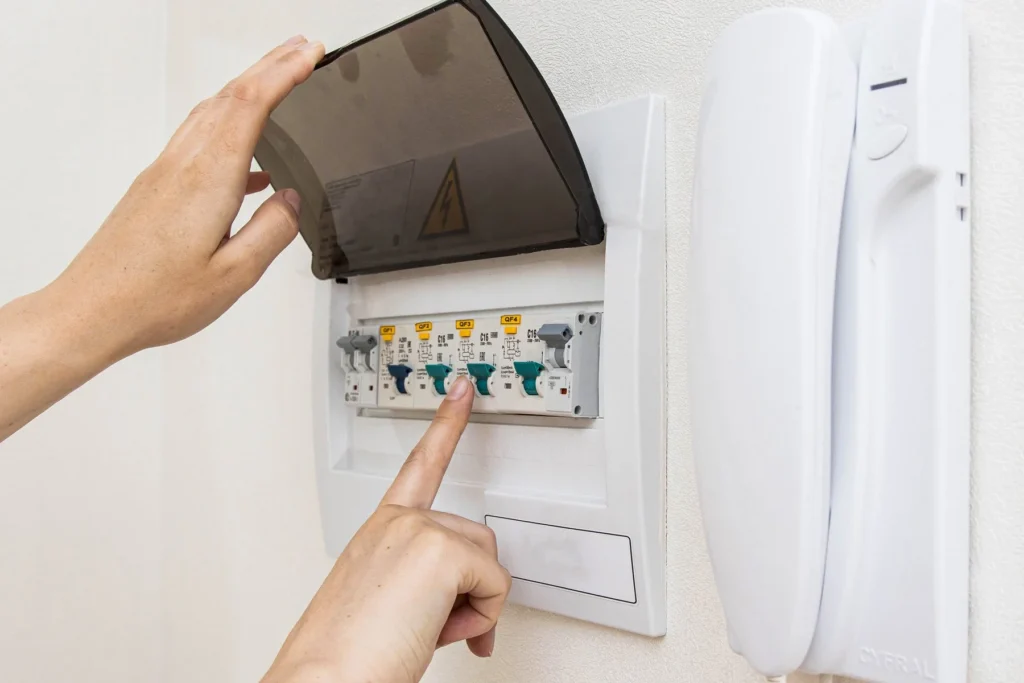
Floor access: Clear access to the panel prior to the job by moving furniture and making sure that there is 1 meter of clear working space for the panel. This expedites the job and reduces risk.
Be sure to budget for additional charges if your meter base, grounding, or service cable requires an upgrade.
Beyond The Breakers
An electrical panel upgrade is more than new breakers and a higher amp rating. It’s a chance to upgrade the entire home electrical system to a new, safer baseline. Taking the time to evaluate associated elements and anticipate future needs will minimize redundant efforts, enhance appliance coverage, and provide a more defined return on investment.
Whole-home surge protection
Whole-home surge protection lives at the service entry or main panel and protects against voltage spikes from lightning, utility switching, and large appliance motor starts. Add a surge protection device (SPD) rated to IEEE standard and matched to your panel’s fault current capacity.
Search for a unit with a low clamping voltage below 600 V and transparent joule or kA ratings. POU protectors still work for sensitive equipment, but one upstream SPD stops big surges in the bud before they branch off into branch circuits.
For residences with solar inverters, EV chargers, or sensitive medical devices, always deploy an SPD that shields both line-neutral and line-ground channels. Have installers communicate to synchronize SPD positioning and grounding to prevent ground loops.
Wiring, outlets, and grounding upgrades
Sometimes old knob-and-tube, aluminum branch circuits, or cloth-insulated wiring will cause us to recommend panel changes. Replace compromised conductors and update branch-circuit wiring to new copper or adequately sized conductors for the load.
Replace two-prong outlets with three-prong grounded or GFCI-protected where grounding is not feasible. Properly sized neutral conductors and bonding of subpanels count.
Bad grounding increases shock and fire hazard and can keep SPDs from functioning. Test grounding resistance, and if it is higher than recommended, add ground rods or a driven electrode and bond to the service ground conductor.
Additional circuits for electrification and smart devices
Plan new circuits for high-demand appliances: heat pumps, electric vehicle chargers, dedicated circuits for workshops, and separate lines for major kitchen appliances. Leave 20 to 30 percent spare capacity in the panel and include blank spaces for future breakers.
For smart-home devices, assign circuits for hubs, whole-home UPSs, and high-speed internet equipment close to service to prevent overloading a single branch. Consider balanced phase loading on multi-phase service where appropriate and use AFCI breakers for bedrooms and living areas per today’s protection standards.
System-wide review: safety, efficiency, reliability
After the upgrade, conduct a full system review: infrared scan for hot connections, load test to verify panel capacity under realistic conditions, and a labeling audit so each breaker is clearly marked.
Check coordination between main and downstream protective devices to prevent nuisance trips and maintain selective fault isolation. Record amperage loads, circuit diagrams, and service annotations for subsequent owner or mechanic as this minimizes troubleshooting and assists compliance.
Conclusion
Aging panels display obvious indicators. Frequent trips, flickering lights, hot covers, and burning smells all indicate a real issue. A tired panel increases fire danger and can put a wrench in your life. An upgrade provides consistent power, additional circuit capacity, and safer wiring. Regular inspections curtail emergency fixes and assist budgeting. Choose a certified electrician that checks load, grounds, and connections. For instance, replacing a 60-amp box with a 200-amp panel prevents overloads in homes that installed EV chargers or a new HVAC system. Quick repairs can be good in the short term, but the full upgrade provides enduring safety and value. About: electrical panel upgrade Lewisville, TX Get an inspection by a local licensed electrician this week.
Frequently Asked Questions
What are the most common signs I need an electrical panel upgrade?
Top signs include frequent breaker trips, flickering lights, burning smells, warm panel cover, and using lots of extension cords. These are signs that your panel may be overloaded or unsafe.
How does an outdated panel put my home at risk?
Outdated panels can lead to electrical fires, appliance damage, and shock risks. They typically do not have modern day safety features and can catastrophically fail under today’s increased power demands.
Will a panel upgrade increase my home value?
Yes. A new, code-approved panel adds safety and value. It can increase resale value and lower buyer worries during inspections.
How long does a typical panel upgrade take?
For most homes, upgrades require four to eight hours. Complicated work or service alterations might require more time. A professional electrician can provide an exact timeline.
Do I need a permit for an electrical panel upgrade?
Normally, yes. We will typically need permits and inspections in most areas to make sure work is up to code and safeguards your insurance.
Can I add more circuits instead of upgrading the whole panel?
We can sometimes add circuits, but if overall capacity is low or the panel is unsafe, an upgrade is best. An electrician will advise the safest and most cost-efficient solution.
How do I choose the right electrician for a panel upgrade?
Select a licensed, insured electrician with solid local reviews and panel upgrade experience. Request references, estimates, and a permit.