
Key Takeaways
- HVAC UV light systems utilize ultraviolet light to eliminate airborne contaminants, allergens, and odors and promote cleaner indoor air.
- These UVC wavelengths are most efficient for destroying microorganisms, making UV lights a welcome complement to existing air filtration.
- Optimizing HVAC UV Light Placement and Installation With the right positioning, UV lights within HVAC systems can maximize air and coil sterilization, improve system efficiency and air quality.
- UV light systems work best in conjunction with other air purification methods. They don’t eliminate dust or particulate matter.
- Periodic maintenance, including replacing bulbs and cleaning fixtures, is needed to preserve performance and increase the lifespan of UV light systems.
- Certified UV products and safety guidelines protect installers and occupants and ensure compliance worldwide.
UV Light Air Purifier For HVAC
About UV light air purifiers for HVAC – Ultraviolet rays kill germs, mold, and viruses in heating and cooling systems.
A number of new buildings employ these systems to assist in keeping indoor air sterile and reducing the chance of disease. Some units are installed in ducts, while others operate within air handlers.
Selecting the appropriate type is based on system size and air quality requirements. The next sections explain how these purifiers function.
What Are They?
UV light air purifiers for HVAC are devices that utilize ultraviolet (UV-C) light to assist in purifying the air circulating through heating, ventilation, and air conditioning systems. These systems fight bacteria, mildew, and debris that can cause odors or sickness. Using a particular type of light, known as UV-C at 254 nanometers, these purifiers degrade the DNA of many common bacteria and mold spores, rendering them unable to propagate.
Others call these germicidal or just UV air purifiers, meaning that their primary objective is to prevent pathogenic agents from circulating within indoor environments. They primarily serve to decrease airborne viruses, mold, and odors in HVAC systems. When the air rushes through, it flows past the UV light.
The light acts on such things as bacteria, viruses, and mold spores, breaking them down and assisting in keeping indoor air cleaner. This can come in handy for allergy sufferers or just about anyone looking to reduce that ‘old shoe’ scent that sometimes permeates a home or office. For example, in areas where mold is known to grow on HVAC coils, a UV air purifier can inhibit or even prevent that growth, assisting in maintaining the air handler cleaner and operating efficiently.
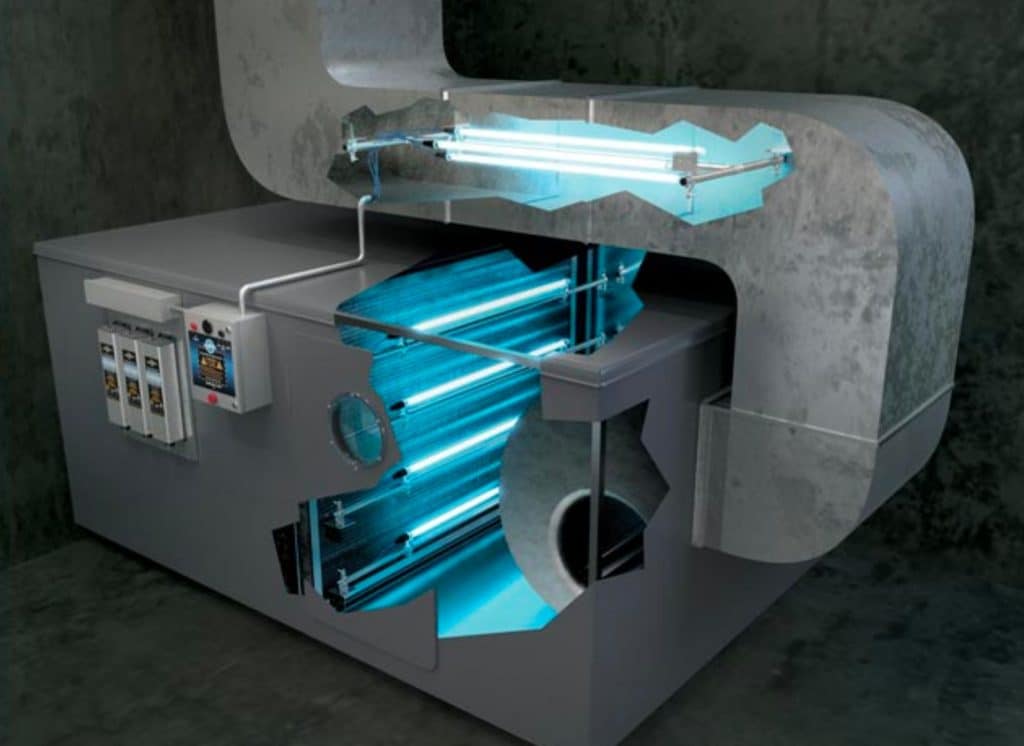
These lights fit right into HVAC systems. Some install in the ductwork, where the air is in motion, while others sit near the evaporator coil inside the air handler. Both can be added to most modern HVAC systems and installation is typically rapid, sometimes only 15 minutes, and they can plug into a standard home outlet.
Basic care is easy, but essential. UV bulbs attract dust, making them less effective, so they must be cleaned regularly. The bulbs fade over time and typically require replacement approximately every year to perform well.
There are two main types of UV lights for HVAC systems: coil sterilization lights and air purification lights. Coil sterilization lights are installed within the air handler, directly at the evaporator coil, to inhibit mold and biofilm growth. This keeps the system healthier and more durable.
Air purification lights are mounted inside the ductwork. They cleanse the air as it circulates through the ducts, fighting bacteria and odors throughout the entire environment. One type may be implemented in certain establishments, such as smaller homes, while both may be employed in larger or commercial settings where impact is desired.
How UV Lights Work
UV light is a form of electromagnetic radiation with wavelengths ranging from 0 to 400 nanometres (nm). Among this spectrum, UVC light, from 280 to 200 nm, is notable for its powerful germicidal properties. HVAC air purifiers utilize UVC light and they focus on airborne microorganisms.
These units are intended to either disinfect the air in-duct or sterilize coils, thereby inhibiting mold and bacteria growth inside the system.
1. Germicidal Spectrum
It’s for this reason that the 253.7 nm-wavelength UVC is the most effective at killing bacteria and viruses. It’s the frequency at which DNA absorbs the most UV energy. Far-UVC light, at 222 nm, is becoming well known for its safety and effectiveness for disinfection.
UVA and UVB, in contrast, are not used for air purification as they don’t have the same germicidal effect. Various kinds of pathogens, including bacteria, viruses, and fungi, each absorb UVC light differently. Bacteria and viruses are particularly susceptible at 253.7 nm.
For optimal germ killing, both the intensity of the UV light and the duration of exposure have an impact. Too little exposure allows microbes to survive, while too much can degrade system components if not controlled effectively.
One of the main benefits of UV compared to traditional filters is that it inactivates microbes instead of simply capturing them. Filters can trap particles, but active microbes can still thrive or emit toxins.
2. DNA Disruption
UVC light breaks down the DNA and RNA of microbes. This process renders bacteria, viruses, and mold spores unable to reproduce. Hence, their infectious capacity is significantly diminished.
This DNA disruption has far-reaching implications for reducing the count of airborne pathogens that survive. UV lights are effective even against strains that have built resistance to other disinfection techniques.
For instance, UVC has been effective against the flu, E. Coli, and certain mold strains found in the air.
3. Coil Sterilization
UV lights go near your HVAC coils to prevent mold and bacteria on them. Microbial growth on coils can produce foul odors, limit airflow, and increase energy consumption. Clean coils help the system work better and last longer by keeping heat exchange efficient.
This decreases the frequency of coil cleanings and helps reduce energy costs. Maintenance is simpler with UV, as the light operates 24/7 and goes after growth preemptively.
4. Airflow Sanitization
UV lights can be installed inside ductwork, where they operate in concert with airflow to purify air flowing through the system. The placement of each light is key, as it must cover the air stream to be effective.
Good ventilation is crucial. It guarantees that airborne microbes go near the light long enough to be sterilized. Rapid, constant airflow means more air gets purified.
Effectively installed UV systems could assist in decimating indoor air pollutants, resulting in a healthy environment and better air quality.
Effectiveness and Limits
UV light air purifiers utilize UV-C light, typically at a wavelength of 253.7 nm, to disrupt the DNA of microbes such as bacteria, viruses, and fungi. This prevents them from circulating through HVAC systems. Some UV systems now use Far-UVC light at 222 nanometers, which can still kill germs but is safe for people.
UV lights do not attract particles such as pet hair, dust, or pollen. UV lights are most effective when combined with filters that capture these particles.
| Air Purifier Method | Removes Microbes | Removes Particles | Ozone Risk | Maintenance Needs | Main Cost (USD) |
|---|---|---|---|---|---|
| UV-C Light | Yes | No | Possible | Bulb change | 100–1,000+ |
| HEPA Filter | No | Yes | None | Filter change | 50–500 |
| Ionizer | Yes | Some | Moderate | Clean plates | 100–800 |
| Activated Carbon | No | Some (gases) | None | Filter change | 50–300 |
UV lights are effective against certain germs. For instance, in labs UV-C can kill as much as 99.9% of some bacteria and viruses. In real-world HVAC configurations, performance may vary. The type of germ, the air velocity, and proximity of the air to the bulb all play a role.
Far-UVC lights are the newer kids on the block. They sound great, but big trials are underway. There are obvious boundaries. UV lights cannot trap dust or tiny particles in the air. If you have a dust, pollen, or pet-laden home or office, a UV system won’t help.
UV bulbs wear out as well. After about a year, their strength diminishes and they might not eliminate germs as effectively. Placement matters too. Lights have to be by the coil or duct where the air passes or they won’t catch enough microbes. If bulbs aren’t swapped out or cleaned, their power drops quickly.
Safety is another factor. UV lights under 200 nm can produce ozone, which is harmful to lungs. Most HVAC UV lights use bulbs above this cut-off, but it’s smart to research the specs beforehand. Pricing is broad, running from $100 for basic units to over $1,000 for high-end systems. Energy use differs, with each bulb accumulating on the bill over time.
For actual fresh air! UV lights are most effective when combined with robust filters. A HEPA filter catches particulates and the UV bulb zaps most of the nasties that get through. This blend handles both dust and germs. Filters must be replaced and bulbs tested regularly for maximum efficacy.
Installation Insights
Having a UV light air purifier installed in an HVAC system involves considering the placement of the unit, installation, and safety for all occupants. Installation varies by system type. Coil sterilization units install near the evaporator coil, and air sterilization units install directly inside ducts or at an air handler’s output, such as the UV-DUCT-FL-NX.
General Installation Steps:
- Turn off HVAC power at the main switch.
- Gather tools: drill, screwdriver, safety goggles, gloves, UV-rated shield.
- Check the kit: UV lamp, ballast, mounting hardware, template, and screws.
- Trace and cut the installation location on the ductwork or by the coil.
- Mount the lamp and ballast within the duct or air handler.
- Hook wiring up to power. Most connect to common 120-volt outlets.
- Test the unit for proper operation.
- Place warning labels on access panels.
- Clean up and restore power.
Things to consider about installation. A pro, a licensed technician, understands low-voltage wiring, can seal penetrations, and abide by local codes. The catch is increased expense. If you’re handy when it comes to electrical work, installing it yourself can reduce costs. Yet, there’s the danger of voiding warranties, breaking components, or delivering sub-optimal system performance.
Never forget the manufacturer’s safety and efficiency instructions. Proper set-up is important for UV systems to perform and endure. A properly done install will ensure the light covers all target surfaces, assisting in the mold-free maintenance of coils and microbe-free air. A bad install can cause blind spots, diminish air cleaning, or prematurely wear out bulbs.
Placement
The ideal location for coil sterilization UV lights is next to the evaporator coil, as this is an area that tends to stay moist and is a breeding ground for mold. For air sterilization, the light should sit inside main supply ducts or at the end of the air handler, so it disinfects the maximum air as it moves through.
For both, consider where air circulates. Lights must face the airstream and not be obstructed by baffles or filters. Proper positioning aids in germ killing and coil cleanliness, potentially extending HVAC lifespan and reducing repairs. Installers should ensure the lamp is conveniently accessible for bulb changes or dusting, as most bulbs require replacement annually.
Safety
Safety Checklist
- Wear gloves and goggles when handling UV lights.
- Power off before wiring or opening the HVAC.
- Shield eyes and skin from direct UV beam.
- Use UV-rated covers or shields if needed.
- Follow lock-out/tag-out steps for electrical safety.
- Ventilate area when working around HVAC chemicals.
UV exposure can damage skin and eyes. To reduce hazard, utilize UL-approved lamps with protective housings and maintain access panels closed. Invest in units with a safety switch that disconnects power when the panel is opened. Just purchase certified UV products that meet criteria.
Installation tips: Put warning stickers on every panel you install.
Certification
Check for labels from organizations such as UL, CE, or SGS. These organizations verify that UV systems don’t leak any dangerous rays and conform to electrical regulations. Certified units are safer and more likely to last, with less to risk on behalf of users.
For instance, the UV-DUCT-FL-NX frequently boasts certifications that differentiate it from generic alternatives. ALWAYS check for these marks before purchasing ANY HVAC UV light.
The Unseen Impact
UV light air purifiers in HVAC systems alter indoor air quality, working behind the scenes. Their systems deploy UV-C, which is between 280 and 200 nanometres in wavelength, and attacks the DNA or RNA of numerous typical airborne microbes. This reduces the transmission of bacteria, mould, and viruses in homes and offices. With a sufficiently strong UV-C dose, inactivation rates for germs can reach up to 99.9 percent, providing a more dependable barrier against airborne dangers.
For long-term gains, using UV light in HVAC setups brings steady improvements.
- Reduces potential for bio-growth on cooling coils, which keeps the system cleaner.
- Aids heat transfer across coils, so the system uses less energy.
- Reduce dependence on caustic chemical sprays to clean coils or air.
- Keeps air ducts cleaner, resulting in less dust and allergen accumulation.
- Promotes a more stable system operation, which requires less maintenance.
- May assist systems in maintaining their initial energy efficiency ratings for an extended period.
- Lowers total power consumption, which leads to lower energy bills every month.
A big benefit comes from keeping the cooling coil clean. Over time, dirt and bio-growth can slow down airflow and force HVAC units to work harder, which means more power use. UV lights slow this build-up so the system can keep its peak efficiency and use less energy. For example, clean coils mean the fan and compressor run less, which can mean real savings on utility bills.
Health is a big part of the unseen impact. Less bio-growth and less airborne germs equals less risk for allergy, asthma, and weak immune system sufferers. Cleaner air can reduce headaches, fatigue, and respiratory problems, which are sometimes caused by bad indoor air quality. For offices, this purified air keeps employees more alert, engaged, productive, and healthy with fewer sick days.
For the home, it can signify improved sleep and reduced symptoms for anyone who is allergic to dust or mould.
Making the switch to UV lights benefits the planet as well. Most standard air purifiers use chemicals that can leach into the air or water. UV systems reduce the reliance on these sprays and wipes, which means less waste and less risk of chemical exposure. This modest adjustment leads to a reduction in the general usage of aggressive cleaning agents, which is a win for air indoors and out.
There are two ways to set up these UV lights: coil sterilization, which targets the cooling coil, and air sterilization, which treats the air as it flows by. Both kinds require new bulbs from time to time, and the bulbs consume a little electricity.
Over time, the bulbs do their work a bit less, like a flashlight that dims, so it’s optimal to exchange them on occasion to keep the dose robust.
Long-Term Care
Long-term care environments such as nursing homes and assisted living require consistent air quality to maintain the health and safety of their residents. These locations frequently accommodate senior citizens or individuals with medical conditions; therefore, the potential for contamination is elevated. Good air filtration helps prevent the transmission of microbes through the air and reduces the risk of illnesses spreading.
UV-C light, installed in HVAC systems, is one method to sanitize air and inhibit the development of bacteria and viruses. The most effective germ-killing power is at 253.7 nanometers, which is in the UV-C range. This technology can assist in minimizing airborne pathogens, but it is only effective when installed and maintained correctly.
Maintaining UV-C systems requires a defined strategy. Here are steps to help with that:
- Check and clean bulbs regularly. Dirt or grime on the bulbs obstructs UV rays and reduces their effectiveness. Clean the bulbs and fixtures every two to three months with a soft cloth and gentle cleaner.
- Replace bulbs promptly. Most UV-C bulbs lose potency after 9,000 to 12,000 hours, which is approximately one year of regular use. Even if its bulb still glows, it may not emit sufficient UV-C to be germicidal.
- Check fixtures for wear or damage. Cracks or loose components can compromise the system. Look for rust, loose wires, or broken glass every time you clean the system.
- Monitor power consumption. UV-C systems contribute to energy expenses. Look for spikes that may indicate an issue with the system or the building’s air flow.
- Dress in protective equipment. UV-C light is hazardous to eyes and skin. Be sure to continually wear gloves and eye cover when working around the bulbs.
HVAC pros keep UV-C systems humming. Their routine exams assist in identifying problems before they develop. A trained tech can measure the UV strength, test airflow, and make sure all parts work as they should. They know when a bulb needs changing or if the fixture should be replaced, saving time and cost in the long term.

Proactive is the best way to extend the life of a UV-C system and maximize the investment. Quality care causes better air and less repairs, which keeps cost and risk to a minimum. This is critical in long-term care environments where clean air can prevent outbreaks and make residents feel comfortable and secure.
Research indicates that 222-nm Far-UVC light, its newer sibling, is probably eye-safe in the long term — food for thought for upcoming makeovers.
Conclusion
UV light air purifiers provide a silent enhancement to HVAC units. They prevent mold and some germs from circulating through the air, particularly in humid locations. They’re best with quality filters and consistent maintenance. With upfront cost and bulb swaps adding up over time, it pays to plan. Many homes and work spots are turning to these gadgets to save time and keep air fresh. To get the right fit, check HVAC size and consult with a local professional. See what others are saying and balance actual results before purchasing. Clean air makes people feel better from day to day. Ready to breathe easier! Consider your choices and consult the experts before you install your next.
Frequently Asked Questions
What is a UV light air purifier for HVAC systems?
A UV light air purifier utilizes ultraviolet light within HVAC systems to aid in eliminating airborne bacteria, viruses, and mold. It is designed to enhance indoor air by addressing specific pathogens.
How does UV light clean the air in my HVAC system?
UV light scrambles the DNA of many microorganisms as air passes through. This prevents them from growing and proliferating and assists in reducing certain airborne impurities.
Are UV air purifiers safe for homes and businesses?
Yes, when properly installed and maintained, UV air purifiers are safe. The UV light is located within the HVAC system, which reduces contact with humans and animals.
Do UV light air purifiers remove dust or allergens?
No, UV light cannot get rid of dust or allergens. It acts on the microorganisms. For dust and allergen removal, you should use a quality air filter along with the UV system.
How often do UV bulbs need to be replaced in HVAC systems?
UV bulbs usually must be replaced annually. The bulbs become less effective over the years, even if they continue to work.
Can UV light air purifiers eliminate odors from the air?
UV light does not remove odors or VOCs. It primarily eliminates bacteria and viruses as well as mold. Activated carbon filters are better for odor removal.
Is professional installation required for HVAC UV light purifiers?
We recommend professional installation. Appropriate location and electrical connections are key for both safety and efficacy. A professional ensures it operates correctly.