
Key Takeaways
- Whole home humidifier installation costs vary based on unit price, labor fees, home size, system type, and other materials. Be sure to shop around and request several quotes for the best deal.
- While professional installation helps ensure proper sizing, placement, and compliance with permits and local codes, DIY installation can reduce costs but carries increased risk.
- Regular maintenance is key to maintaining an efficient and cost-effective humidifier. It minimizes repair costs and provides you with cleaner air and more comfortable living conditions.
- Energy-efficient models and proper humidity control can help lower heating and water bills for households in different climates.
- Optimal humidity helps preserve furniture, materials, and your HVAC system while promoting the health and comfort of everyone in your house.
- Homeowners can reduce installation costs by seeking out rebates, timing installation during off-seasons, and combining humidifier installation with other HVAC services.
Whole home humidifier installation cost varies between approximately $400 and $1,200 in most instances, depending on type, brand, and local labor rates. Certain homes require additional ductwork or wiring that can increase the cost.
Central humidifiers typically cost more than portable options, but are effective for bigger areas. Understanding what drives the cost can help you plan a budget and balance the benefits.
The next section details the sub-factors.
Cost Breakdown
Whole home humidifier installation costs vary widely due to a number of factors. Important things to consider are your humidifier type, home layout, existing HVAC infrastructure, and local labor rates. The table below shows a summary of typical costs:
| Category | Low End (USD) | High End (USD) |
|---|---|---|
| Unit Price | $175 | $1,350 |
| Labor Fees (per hour) | $50 | $150 |
| Total Installation | $392 | $2,500 |
| Annual Maintenance | $75 | $200 |
| Replacement Parts/year | $10 | $50 |
1. Unit Price
Whole home humidifier units are available in several varieties. Steam humidifiers are the priciest, with installation costs ranging from $1,200 to $2,500. Drum and evaporative models are more affordable, ranging from $175 to $600. Factors like capacity, energy efficiency, and smart controls can increase the price. Higher output models or those with digital controls typically cost closer to $1,350.
Portable units are cheaper, often under $250, but do not offer whole-home coverage. Brand plays a role in price as well. For instance, Bryant humidifiers often fall in the mid to high range, providing dependability and brand backing for the premium.
2. Labor Fees
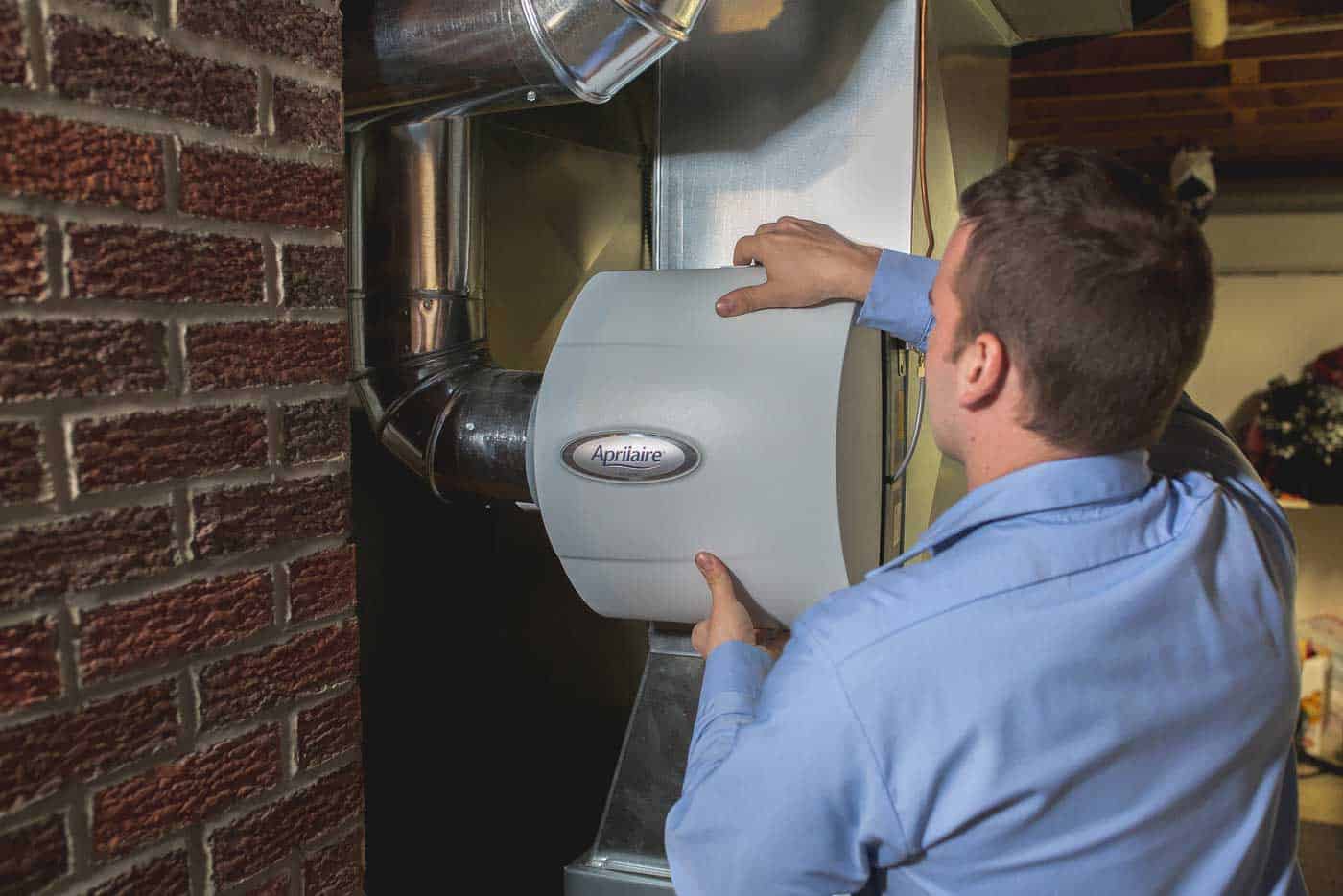
Professional installation by a certified HVAC technician is often required. Installation rates vary based on installer experience and area rates and usually range from $50 to $150 an hour. Some homes with complicated ducts or hard-to-reach locations can incur additional labor charges.
Installation for a typical home usually requires 3 to 6 hours, which means the labor component is between $150 and $900. Additional fees could be charged for after-hours service or additional wiring requirements. It’s worth getting multiple quotes from local providers, as it helps you ensure a fair price and can reveal differences in service or warranty coverage.
3. Home Factors
Your home’s size will affect what type and how many humidifiers you need. Larger or multi-zoned homes may require stronger units or multiples. Upfront cost can be offset or increased by existing HVAC configurations.
If your ductwork is exposed and up to date, installation is simpler and cheaper. Ductwork concealed behind walls or in tight spaces adds to labor. Homes in dry or variable climates could require custom units with increased capacity or integrated controls for exact humidity regulation.
4. System Type
Steam, evaporative and drum humidifiers have different upfront and long-term costs. Steam models are more expensive to purchase and operate but provide accurate, effective moisture regulation. Drum types are the cheapest but require the most maintenance.
Evaporative systems straddle the line between cost and performance, even though some require filter replacements. Energy use is different as well. Steam systems consume additional electricity, which increases operational expenses. What you choose really depends on your budget, how comfy you want to be, and how much effort you’re prepared to put into maintaining the system.
5. Additional Materials
Additional items bring up the full bill. Humidistats, filters, and wiring kits are frequently needed, running between $20 and $150. Ductwork upgrades or modifications could add another $100 to $500.
Additional smart controls for remote monitoring can push the costs even higher. Routine maintenance, like changing evaporative pads or filters, typically costs between $10 and $50 annually. Annual servicing, suggested at $75 to $200, helps extend system life and ensure performance.
Beyond Installation
Whole home humidifiers require more than just installation. How you maintain the unit, manage its energy consumption, and monitor your water bills can shift the lifetime cost of ownership. Good habits and a little know-how get you the best value.
Maintenance
Regular maintenance is essential. Without it, your system can fail earlier and you may end up paying far more in repair costs. Mold is a risk in any moist space, but routine prevention keeps it at bay. Most makers recommend a professional service once annually, which typically runs between $75 and $200. The national average for a repair is around $230, so neglecting routine inspections can add up quickly.
- Check and change filters
- Clean water panels or pads
- Inspect for mineral buildup in water lines
- Sanitize the reservoir and interior parts
- Confirm proper airflow and water flow
- Look for leaks or rust
Others DIY maintenance saves on labor. DIY care works for easy things like swapping out filters, but deep cleaning or sealing leaks could require a pro. If you take the pro path, it is more upfront, but you are less liable to have unexpected breakdowns. For most, that peace of mind and mold prevention is worth the price.
Energy Use
Humid air is warm, which is why a lot of people set their thermostat a few degrees cooler in the winter. This can reduce heating bills, particularly in chillier climates. At the right humidity, your HVAC system doesn’t have to struggle so much.
Models with built-in humidistats and energy-saving settings help keep energy use in check. Beyond installation, some utilities even provide rebates for efficient systems, so it’s worth scoping out what your local options may be.
A well-sealed 140 square meter home requires roughly 12 liters of water a day. Bigger homes require bigger amounts, and the right system keeps you from using too much and wasting. Stay on top of maintenance so it hums without pulling excess power. Well cared for, and a good model can lead to less energy use over time!
Water Bills
Besides installation, a whole home humidifier will increase your water bill. Another factor is your house square footage and moisture requirements. For example, a 140-square-meter home would run around 12 liters per day. Bigger homes could use two times that.
If you track your usage and repair leaks quickly, you can keep bills pretty reasonable. Look out for abrupt increases in water usage, which may indicate an issue. Select models that allow you to adjust output levels, utilizing only what’s necessary.
Try scheduling installation in the off-season since labor costs are generally lower and appointments are simpler to obtain. These measures keep both initial and operational expenses under control.
Value Proposition
A whole home humidifier is an investment that transcends simple comfort. They cost anywhere from $120 to $1,850, with an average of around $575, not including installation fees that generally run between $300 and $700. For most, the initial expense is offset by years of cleaner air and utility savings because humidified air typically feels warmer and allows for a lower thermostat temperature.
Health Benefits
Keeping your home’s humidity between 30 and 50 percent can prevent your skin from cracking and help relieve nasal congestion, a blessing for those who live in dry environments or experience harsh winters. This optimal moisture level minimizes airborne allergens like dust and pollen by keeping them weighed down and less inhalable.
Whole home humidifiers can help support the respiratory health of your family, particularly young children, seniors, and those with allergies or asthma, by reducing throat irritation and coughing. Others indicate a balanced humidity atmosphere encourages deeper sleep and potentially reduces stress.
Having a more comfortable home with less dry air can lift your overall mood and well-being. These advantages are particularly evident in homes with allergy sufferers or those with winter-dry skin.
Home Protection
Adequate humidity aids in preventing wood floors, doors, and furniture from cracking or warping. It shields musical instruments and artwork that can be harmed by dry air. For basements and crawl spaces, the proper humidity can prevent mold and mildew growth and mitigate moisture accumulation, which could lead to expensive fixes.
Whole home humidifiers can save your HVAC system and other appliances by preventing them from working overtime in dry environments. This may reduce the demand for repair or premature replacement. Over the course of time, the savings on home maintenance and replacement parts can break even with the up-front humidifier cost.
Comfort Level
Stable humidity makes the air feel gentler and more even all year long. This consistent humidity minimizes static shocks and assists in preventing fabrics from sticking or cracking. It makes the house feel warmer at a lower temperature, saving on heating bills during the cold seasons.
A well-regulated indoor climate helps you unwind and savor being home. It aids peaceful slumber, provides comfort for visitors, and makes everyone in the household feel cozy any time of the year. For families with children or seniors, this convenience can bring tangible value to daily life.
Professional vs. DIY
Whole home humidifier installation brings a real choice: hire a pro or do it yourself. The correct route varies based on expertise, budget, and how intricate your HVAC setup is. Each comes with its own trade-offs regarding cost, safety, and long-term value.
The Pro Route
Professionals bring more than just tools. They know how to size and place humidifiers for best results. They look at your home’s needs, check your HVAC system, and pick the right unit. This helps avoid over-humidifying or missing key rooms. Their training means fewer mistakes and better performance.
Labor can be half the price, at times $50 to $70 an hour. Complete install, with labor, unit, and parts, runs anywhere from $400 to $1,500. That includes electrical work, water line connection, and integration with your central air. If it breaks, pros repair it under warranty, so you’re not left with surprise expenses. Most companies even offer guarantees on their work.
Having pros take care of it saves time and worry. They deal with local codes, permits, and safety inspections. This is critical if your HVAC system is complicated or difficult to access. A good contractor ensures the install satisfies all code, keeping your warranty intact and your home secure.
The DIY Path
- Select a humidifier style that matches your HVAC system and home size.
- Turn off power and water to the HVAC unit.
- Mount the humidifier unit on the ductwork as instructed.
- Connect water and electrical lines, following instructions closely.
- Install a drain line and humidistat.
- Test the system, detect leaks, and set humidity levels.
DIY can slash expenses because you eliminate the wage overhead. Whole-house units run anywhere from $500 to $2,000 or more, but cutting out pro labor saves you $100 to $900. This speaks to the hands-on types and easy HVAC installations.
However, DIY is dangerous. Errors can damage equipment, create leaks, or perhaps even void your warranty. A lot of warranties specify pro installation, and local codes may require permits or licensed work. Ignoring manufacturer steps results in underperformance or hazards.
Additionally, DIY stuff might require more maintenance down the road. If wiring or plumbing isn’t done right, fixes can be expensive and disruptive. A few homeowners can do it, but the majority feel the peace of mind from pros is worth the price.
Unseen Expenses
Whole home humidifier costs that aren’t always clear up front. Outside of the marquee tools and sweat equity, unseen expenses define the bill. These are things like the condition of your ductwork, electrical changes, local permitting regulations, and unexpected repairs. Maintenance and water consumption can drive up these costs over time. Knowing about these hidden costs aids you in establishing a more precise budget and steering clear of jaw-dropping shockers once the work begins.
Ductwork Issues
Ductwork frequently requires tight scrutiny before a humidifier can be asserted. If old ducts have leaks, rust, or mold, repairs or even section replacements may be necessary. This type of work can increase the cost, particularly in households with inaccessible or aging ducts.
Occasionally, installers discover that ducts are not appropriately sized for new airflow demands, so resizing or installing additional ducts may be necessary. Homes in dusty or humid areas may have more buildup, so cleaning is more critical and sometimes more expensive.
The secret is good duct cleaning because it allows the humidifier to work more effectively and keeps the air fresher. This service can be a hidden expense, but it is totally worth it long-term. Repairing ductwork problems, for example, can not only support the humidifier but increase your entire HVAC system’s longevity and efficiency, putting money back in your pocket in the long run.
Electrical Upgrades
Unseen costs can arise from electrical needs. A new humidifier, steam models in particular, might require more power than your home can provide. Some residences, particularly older ones, could require a panel upgrade or new wiring to support the additional load.
This is no minor expense because you’re literally obligated to bring in a licensed electrician to keep things safe and up to code. Labor rates for electrical work can vary depending on your location and the complexity of the system.
Every now and then, little things like outdated outlets or weak breakers rear their ugly heads, adding even more to the bill. Electrical upgrades are not merely fulfilling the specifications of your devices. Sloppy work can cause fires and there’s no room for skimping here.
Permit Needs
Permits are usually required for HVAC work, and whole home humidifiers are no different. The expense and kind of permit is determined by local building codes and varies from city to city. Certain locations just need a brief notice, whereas others demand blueprints and inspections.
These fees contribute to your schedule and budget, occasionally putting you behind schedule if the paperwork is sluggish. You may not have the proper permits and get fined or have to take down the humidifier.
Professional installers typically take care of permits, but their service is not cheap, which is another hidden expense.
Strategic Savings
Whole home humidifier installation costs vary, but there are a few ways to save in this process that won’t leave you cutting corners. Some strategic savings can go a long way in helping homeowners stretch their budget and still reap the rewards of a professionally installed, energy-efficient system.
Considering rebates, selecting the ideal season for installation, and bundling services are smart ways to keep prices down.
Rebates
- Most countries have government or utility-sponsored programs that incentivize homeowners to install upgraded, energy-efficient HVAC accessories like humidifiers.
- Even programs like ENERGY STAR in the US or their counterparts in Europe and Asia frequently offer rebates on units that qualify. Certain utility companies may provide direct rebates for installing qualifying accessories.
- Filing for rebates often involves providing proof of purchase, installation by a licensed contractor, and product information. To maximize these programs, verify eligibility prior to purchase and carefully implement the application steps.
- Rebates can account for a significant portion of the cost, sometimes offsetting the price of a humidistat ranging from $30 to $150 or a quality hygrometer ranging from $10 to $70. This can cut down the total expenditure for equipment and labor.
Off-Season
Scheduling installation for spring or fall can really make a difference in pricing. Labor rates, too, often fall during these lull months when HVAC contractors have lighter schedules.
With labor frequently accounting for a third of the total installation cost, these savings can be substantial, well in the range of $100 to $1,000, depending on the complexity of the job.

A lot of companies provide seasonal deals or discounts on equipment and on service. It’s simpler to score priority scheduling and shorter waits, which results in less chaos at home. Avoiding summer and winter peak demand reduces the likelihood of last minute scrambles or procrastination.
Bundling
If you’re installing a humidifier, bundling it with other HVAC services can bring lower prices and better long-term value. There can be package deals when you mix in annual HVAC service, duct cleaning, or air filter replacement with a humidifier install.
Some HVAC firms include a full home evaluation. These reviews often result in expert advice on the right size and type of humidifier and can spot any related issues early.
Keeping the system well maintained as part of a bundle can prevent costly repairs and help the home comfort system run longer and more efficiently.
Conclusion
Whole home humidifiers keep air moist and steady throughout homes. Upfront cost can vary a lot, but transparent price tags aid foresight. Labor increases price and additional parts can arise. A few people attempt to install one themselves, but errors can be expensive in the long run. Choosing the correct size and style counts for long-term benefits. Clean Air Moisturizers reduce dry skin and keep things comfortable all season long. To get a scheme that suits your dwelling, consult a professional. Get estimates, compare options and consider the advantages for your home. For more helpful hints or reliable recommendations, contact your local professional.
Frequently Asked Questions
How much does whole home humidifier installation usually cost?
Whole home humidifier installation usually costs between $400 and $1,500, encompassing equipment and labor. It depends on your house, the size of the system, and local labor rates.
What factors affect the total installation cost?
It depends on the humidifier model, your home’s size, current HVAC system, and installation complexity. Local labor rates and any required updates can affect the cost.
Is professional installation necessary for a whole home humidifier?
We strongly advise professional installation. It guarantees proper installation with your HVAC system, safe operation, and warranty protection.
Can I install a whole home humidifier myself?
A few rudimentary models can be handled by an ambitious DIYer, but the majority of installations demand HVAC expertise. Poor installation could damage the system or void warranties.
Are there ongoing costs after installation?
Yes. Anticipate routine service fees for filter replacements, cleaning, and the occasional repair. Yearly maintenance keeps them efficient and air quality high.
What are some hidden expenses to consider?
Hidden costs might be additional ductwork, electrical upgrades, or advanced controls. If nothing else, be sure to request a line-item estimate so you won’t get surprised.
How can I save money on whole home humidifier installation?
Whole Home Humidifier Installation Cost More Information Here Compare multiple quotes, go for energy efficient models and install during off-peak seasons. Maintaining appliances saves you money in the long run.