
Key Takeaways
- Conducting a thorough electrical inspection before buying a house helps identify safety hazards and ensures the property meets local code requirements.
- By identifying electrical hazards ahead of time, you can avoid surprise repair bills, facilitate budget planning, and maximize the value of your home.
- Inspection discoveries can be used to mediate fixes, price reductions, or credits with the seller, bolstering your foothold in the transaction.
- Pick a licensed inspector with an electrical background and a good reputation so you cover all the bases of important systems.
- Know the weather’s effect, whether it’s saltwater or winter and how that might affect home electrical maintenance.
- Evaluate the inspection report to identify what requires immediate repair, estimate costs, and decide whether to continue, negotiate more, or walk away.
Electrical inspection prior to home purchase NJ makes sure the wiring, outlets, and panels function properly and comply with local codes. These inspections are used by buyers and sellers to identify outdated components or hazards that could become more expensive down the line.
In NJ, many home sales require this step for security and comfort. To assist, this guide details what to expect, what inspectors look for, and why it’s important.
Why Inspect?
Electrical inspections are important for anyone purchasing a home in New Jersey or beyond. They can help identify hazards, avoid post-loss issues, and ensure a new home is up to snuff. Ignoring them brings real risks and costs down the line.
Safety First
A full electrical check includes a lot more than just eyeballing the light switches. They search for frayed wires, burnt outlets, old fuse boxes and overloaded circuits, which are typical origins of fires and shocks. These hazards can lurk behind walls or ceilings, with hundreds of meters of cables passing through an average house.
Dangers such as outlets too close to water or broken wiring can fly under the radar until an incident occurs. Proper grounding and working circuit breakers are important because they prevent overcurrent from triggering shocks or fires, which are top culprits of property damage and even death.
Just as important is checking smoke alarms and carbon monoxide detectors. These devices need to function 24/7 since they’re frequently the initial alert when something malfunctions. A good inspection looks for energy inefficiency, like old panels or old wiring, which can drain power and drive up bills.
Ensuring the home’s electrical system is safe provides buyers comfort and safeguards all who reside there.
Financial Shield
Discovering electrical problems prior to purchasing a home can save you thousands of dollars. If the inspector discovers issues up front, buyers can budget for repairs or improvements rather than encounter surprise expenses down the road. Things like rewiring or replacing a main panel can be costly and intrusive.
Armed with a thorough inspection report, buyers can construct a realistic budget for what needs to be fixed. A tidy electrical report can translate to lower insurance premiums since companies tend to view well-maintained systems as less of a risk.
Addressing electrical issues proactively can even raise a home’s value and make it more desirable to potential buyers. Energy-efficient upgrades discovered during inspection can translate to lower utility bills down the road.
Negotiation Power
Review outcomes provide purchasers a tried and true stance while in acquirement discussions. If the report notes electrical problems, buyers can request that the seller have them fixed prior to closing. Occasionally, they can leverage the report to negotiate a lower price or a credit toward future repairs.
A bad inspection can be a reason to get additional inspections or request additional concessions. Armed with inspection facts, buyers are empowered to make decisions with confidence. They are less likely to encounter hidden issues or expensive surprises after they move in.
The NJ Inspection Checklist
A thorough electrical inspection is mandatory prior to purchasing a residence in NJ. It assists in early detection of issues, facilitates the seller’s disclosure obligation, and ensures local compliance. This checklist helps buyers and inspectors monitor what’s important — service entrances, panels, wiring, outlets, switches, fixtures, and appliances — while complementing NJ’s overall home inspection process.
You want to document what you find and prioritize any repairs or updates that keep your family safe and sane.
1. Service Entrance
The inspection begins at the service entrance, where the primary power comes into the home. They inspect to see that grounding is done correctly and that all connections are tight so that electrical failures are unlikely. Ensure it has sufficient amperage.
Older homes might not be able to power all those newfangled appliances or electronics, so a check here can prevent expensive upgrades down the road. Outdoor wires should be in good condition, shielded from sun, rain, or pests.
The service entrance itself should be up to current safety codes, such as being weatherproof and having a configuration that corresponds with local and national standards.
2. Electrical Panel
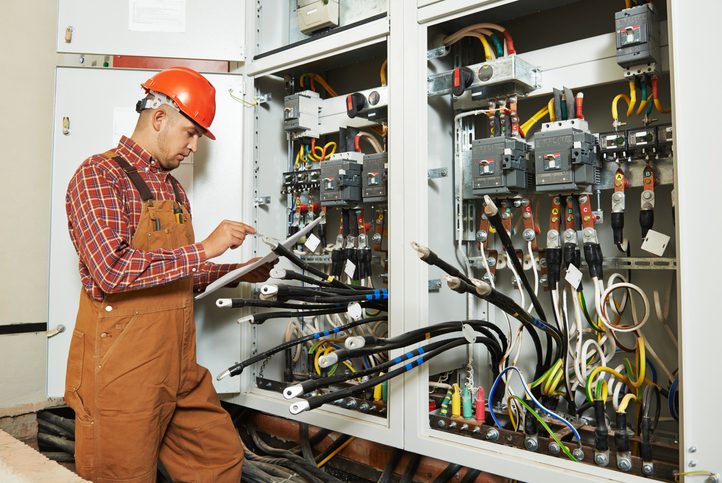
A good peek into the electrical panel follows. Inspectors search for rust, old or corroded components, and evidence of previous overheating, such as scorch marks. Circuit breakers are tested to ensure they trip as they should and are rated for the home’s needs.
The panel itself should be accessible for emergencies and not obstructed by furniture or stored items. If your panel hasn’t been inspected in five years or more, now is the time.
Accurate labeling is essential; every breaker should be labeled to indicate what part of the house it controls, simplifying any future repairs or upgrades.
3. Wiring Systems
Wiring is inspected for loose or exposed connections, along with older materials such as aluminum wires, which are more problematic. Inspectors check for wear, aging, or mouse damage.
All wiring should comply with NEC rules. Ground fault circuit interrupters (GFCIs) are needed near water, such as kitchens, baths, and garages, to shut off power quickly if trouble is sensed. These inspections prevent shocks and fires.
4. Outlets and Switches
Outlets and switches are inspected for function and safety. Mandatory GFCI outlets are in wet areas. Sockets aren’t to be overloaded.
If you have heaps of stuff plugged into one, it’s a fire hazard and may require additional circuits. Cracks, heat marks, or other damage may indicate hidden issues.
All outlets must be grounded. This is key for safety and code.
5. Fixtures and Appliances
Inspectors verify that lighting and appliances are installed properly and safe. Frayed cords or plugs present a danger and need to be replaced.
Major appliances are tested to verify they function and do not present a hazard. Replace any old fixtures with newer, energy-saving units. This keeps it safe while saving on energy bills.
Choosing Your Inspector
Choosing your inspector—especially on electrical safety—is a key step for New Jersey homebuyers. A good inspection identifies dangers like faulty wiring, old systems or code violations prior to committing to a large investment. His job is to provide you with a transparent picture of what you’re buying, assist you in sidestepping expensive surprises, and arm you with leverage to negotiate with sellers.
For buyers in any region, the same priorities hold true: look for skill, honesty, and thoroughness.
Tips for Choosing the Right Home Inspector:
- Verify they are specially trained in electrical systems and local building codes.
- Request references and check out reviews, both online and from local sources.
- Select Your Inspector Be sure your inspector uses a standard checklist and reports on all major systems.
- Confirm experience with different property types and regional hazards.
- Be confident they know the local rules, like fire risk and lead paint in older properties.
- Request a sample report to gauge detail and clarity.
State Licensing
Selecting your inspector. Hiring a licensed inspector isn’t simply boilerplate. In New Jersey, a valid license demonstrates that the inspector satisfies state standards and has successfully completed required exams. This is your guarantee that the inspection will adhere to state regulations, including electrical safety.
Verify licensing with the state board. Certain inspectors could have had complaints or disciplinary actions leveled against them. Check this via state records, which are frequently public and simple to search. Selecting a licensed professional will help you avoid legal troubles if something comes up after you’ve made your purchase and increase any claim or bargaining power you have with the seller.
Electrical Expertise
Electrical systems are tricky, particularly in older homes or apartment buildings. Pick an inspector that actually does electrical work, not a home inspector. Inquire about their experience and qualifications.
Other inspectors have additional certification or are members of professional electrical safety organizations. This is important for identifying problems such as dangerous wiring, circuit overloads, or old panels. Your inspector should be familiar with both state and local codes, for example, lead-based paint in homes constructed prior to 1978.
Your inspector should provide you with comprehensive inspection reports that include all findings, from minor code violations to major fire or shock hazards, clearly indicating what should be fixed first.
The Right Questions
Come armed with a list of questions when you meet or talk with an inspector. Inquire about the duration of the inspection, which usually lasts a few hours for a comprehensive examination of all key systems.
Ask what kinds of tools they utilize. A smart inspector could employ voltage testers, thermal cameras, or other instruments to identify covert hazards. Inquire what occurs if they discover hazardous wiring or some other major issue.
Do they provide you with repair estimates or refer you to specialists? Last, nail down the inspection fee, which in New Jersey typically runs between $400 and $600, so you know what’s covered and do not get hit with unexpected charges.
Decoding The Report
An electrical inspection report can seem dense. It’s an important asset to decode when trying to truly understand a property’s condition before you buy. More than simply an accounting of defects, the report is a guide for remedies, safety improvements, and bargaining chips.
Beyond wiring and outlets, it can expose hidden hazards, from foundation cracks to termite damage, that could add thousands to your expenses. Understanding how to read and utilize the report enables you to plan, budget, and prevent surprises.
To decode an inspection report efficiently:
- Read the summary and flag urgent items first.
- List items by severity: safety, function, and cosmetic.
- Compare reported issues with repair estimates.
- Ask your inspector about any unclear terms or notations.
- Note red flags, like large cracks or outdated wiring.
- Use findings as talking points with sellers.
- Prioritize repairs based on safety and budget.
Major vs. Minor
Serious electrical hazards, like old wiring, overloaded panels or tripped breakers, are legitimate safety issues. These may cause fire hazards or outages. Telltale signs such as large horizontal cracks in walls or floors, uneven floors, or stuck windows and doors usually indicate a structural or foundation issue, which can worsen if neglected.
Urgent fixes, sometimes expensive ones, could be the sole option to protect your property and maintain code compliance. Frivolous stuff such as loose outlets, worn switches or small drywall cracks that don’t require immediate attention. These are addressable with planned remodels.
By decoding which problems are big versus small, you can determine which fixes are worth haggling over with the seller and which can wait until after you move in. This aids budgeting and staves off stress.
Cost Estimates
| Issue Type | Estimated Repair Cost (USD) |
|---|---|
| Electrical panel | 1,200 – 3,000 |
| Rewiring | 4,000 – 15,000 |
| Foundation repair | 5,000 – 40,000 |
| Termite damage | 3,000 – 4,000 |
| Plumbing repairs | 150 – 1,000+ |
Cross-reference estimates from multiple licensed electricians. That way, you’re sure you aren’t overpaying. At other times, replacing vintage systems actually pays for itself over time by reducing energy fees or lowering repair costs.
Bring these figures into your price discussions with the seller. You could have repairs done prior to purchase or a more equitable deal on the home.
Red Flags
Be on the lookout for dated wiring such as knob-and-tube or aluminum, or comments about tripped breakers. These are red flags of peril and could indicate the entire regime requires a refresh. If you notice evidence of previous DIY repairs, inquire with your inspector whether the job is safe.
Skipping these warnings will result in huge expenses and danger down the road. If the report references water damage, check for stains, mildew odors or damaged flooring. These could signify leaks or drainage issues, which tend to connect to larger, more concealed problems.
Every red flag ought to raise more questions and might become a bargaining chip in your negotiations.
Weather’s Hidden Impact
To our surprise, weather had a huge impact on how electrical systems age and operate in homes. We don’t always notice the impact that rain, wind, cold, and salt air can have, eroding wires, panels, and outdoor components. Home inspectors and buyers must peer beyond the surface, probing for latent hazards and damage tied to the weather and seasons.
Whether you live near the coast or have a brutal winter, weather leaves its imprint, and that imprint doesn’t always come to light until something fails.
Coastal Corrosion
Salt in the air accelerates rust and wear on metal components. If your home is near the salty ocean or saltwater lakes, you have an increased chance of corroded outlets, breaker panels, and outside lights. Inspectors need to check for green or dull stains on wires, broken boxes, or rusted screws.
Even if the parts appear okay, it’s that hidden corrosion that can shorten the life of a system and cause dangerous faults down the road. Check outdoor wiring and light fixtures for any signs of rust or brittle spots, especially on exposed surfaces.
Use weatherproof covers or sealed enclosures to slow down future damage. Plan for routine checks since salt can get into small cracks and start problems that grow worse with time. Reliable electrical work in coastal spots means picking the right materials and keeping things sealed from the air.
Storm Readiness
Storms deliver rain, wind, and power outages that can strain a home’s electrical system. Inspectors need to know if the system can withstand sudden spikes or blackouts. This means testing for a functional backup, such as a generator, and ensuring it connects securely to the main panel.
Outdoor wires need to be secured and protected so wind doesn’t tear them off or allow water to enter. Unobstructed entry to the electrical panel is crucial during storms. In an emergency, someone has to access breakers without tripping or moving debris.
Heavy winds can yank loose shingles or siding, making a roof check dangerous until the weather subsides. Bad drainage around the house can allow water to pond by wires or panels, causing leaks that don’t appear on dry days.
Spring rain or snowmelt can expose latent leaks, so scheduling an inspection with wet weather can occasionally give you a heads up on trouble.
Winter Wear
Cold snaps put stress on cables and outlets outdoors. Freeze and thaw cycles can split insulation, increasing the risk of shorts or outages. Inspectors should look for wire wear, cracked covers, and loose outdoor sockets.
Insulation that appears good in summer may become hard and brittle in winter, thus creating system failures when you require power the most. Preventive inspections prior to winter reduce this risk.
Outdoor receptacles and fixtures require quality covers to shield snow and ice. Snow or ice melt can sneak in, then refreeze, splitting parts or rusting metal. Inspect all outdoor plugs, lights, and exposed wires prior to winter.
Repair or protect vulnerabilities to maintain system security during the season.

Negotiation and Next Steps
Following an electrical inspection, there are typically two to three main points that buyers want to negotiate on, although there can be some smaller details as well. The inspection report turns into a negotiation tool for next steps, requesting repairs, requesting credits, or sometimes walking away. Most contracts allow roughly a week or two for the inspection period, so speed and organization are essential.
Negotiate for safety, habitability, and urgent or expensive items, and have clear documentation, estimates, and so on, to back up your requests. Flexibility is advantageous, as sellers might counter with alternative remedies and schedules or closing dates might be impacted by the extent of fixes. The negotiation is influenced by repair costs, plans for the property, and house history or age.
Repair Requests
- Checklist for Repairs:
- Faulty wiring in main panel.
- Old or absent circuit breakers.
- Unguarded outlets near water.
- Unprotected wiring in attic or crawl spaces.
- Dead smoke detectors.
- Missing ground fault circuit interrupters (GFCIs).
- Overloaded circuits or not enough amps.
Keeping track of every repair with photos and estimates keeps everyone on the same page as to what’s being requested. Prioritizing safety issues, such as missing GFCIs and faulty panels, is important since these impact habitability and can be costly if left unaddressed.
Repairs can be a sticking point. At times, sellers will agree to ‘make everything good’ prior to closing, but this isn’t always in buyers’ best interests. Repairs might extend past the timeline, meaning you will be double paying for rent or held up in your move.
For any deals struck, get it in writing. This holds both sides responsible and prevents ambiguity down the line.
Seeking Credits
Sometimes, the seller won’t or can’t do the repairs before closing. It might be practical to ask for a credit, which is some amount of money to cover repairs. To illustrate, with a $10,000 credit, a buyer lays less cash down at closing, increasing cash flow for spot repairs.
Instead, to justify the credit, buyers should quantify costs based on contractor bids or inspection results. The inspection report is evidence that illustrates the reason for the credit and how it was determined.
Any credits that you agree upon should be written into the purchase agreement. This safeguards both sides and connects the credit to closing, preventing any miscommunications.
When to Walk Away
| Red Flag | Implication |
|---|---|
| Major panel/fire hazards | High risk, costly to fix |
| Widespread faulty wiring | Ongoing safety/insurance problems |
| Unlicensed past electrical work | May need full replacement |
| Repairs exceed budget | Financial strain, future problems |
If repair costs exceed your budget, walking away can be prudent. The property’s requirements are not aligned with your intentions or capabilities.
Trust the inspection and your own comfort level. Walking away from a deal can translate into greater security, lower tension, and increased economic stability.
Conclusion
Electrical inspection before buying a house nj A straightforward report can reveal old wiring or strange configurations that could be more expensive later. Quality inspectors tour every room, study panels, and test outlets. NJ weather fries home wiring as well, so a thorough check helps detect issues prior to a sale. Savvy buyers leverage the results to negotiate repairs or a reasonable price. Time with a pro now can save time, trouble, and money later. For those who are prepared to start a search or close on a home, schedule an electrical check before you sign. Be careful and control your cash.
Frequently Asked Questions
Why is an electrical inspection important before buying a house?
An electrical inspection looks for safety hazards and code violations. It saves you thousands in repair bills and guarantees your new home is secure and up to code.
What does an electrical inspection in New Jersey include?
Wiring, outlets, service panel, circuit breakers and grounding are included in the inspection. Inspectors seek damage, old materials and poorly done installations.
How do I choose a qualified electrical inspector in NJ?
Select a licensed, insured inspector with residential experience. Look over the reviews and ask for references.
What should I look for in the inspection report?
Look for problems such as antiquated wiring, overloaded circuits, or safety code violations. Have your inspector talk you through any concerns in the report.
Can weather impact the results of an electrical inspection?
Yes, weather can expose things like moisture or rust. Inspectors may identify issues that are only present or observable in specific weather.
How can I use the inspection report in negotiations?
You can use the report to ask for repairs or even to negotiate your price. Share findings with the seller to back up your requests for repairs or price reductions.
Is an electrical inspection required by law in New Jersey before buying a house?
Not always legally mandated, most lenders and realtors insist on it for safety and peace of mind.