
Key Takeaways
- Water heater replacement costs in NJ vary based on many factors, such as unit cost, labor charges, permit fees, materials, and disposal fees. These costs are typically on the rise due to local demand and regulations.
- The type of water heater and fuel source it uses have a major impact on installation costs and long-term operating expenses. Make sure to tailor your selection to your household’s hot water demands and local energy resources.
- Code upgrades and plumbing and venting adjustments can add to your final bill, so request a detailed quote and plan for potential upgrades.
- Homeowners can cut costs by checking state rebates or utility incentives and by arranging installation during off seasons, as these savings can be significant.
- Focusing on energy-efficient models and dependable brands brings down utility costs over time and adds to your investment’s long term value.
- Examining warranty coverage and anticipated unit lifespan prior to purchase helps protect against surprise repair and replacement expenses.
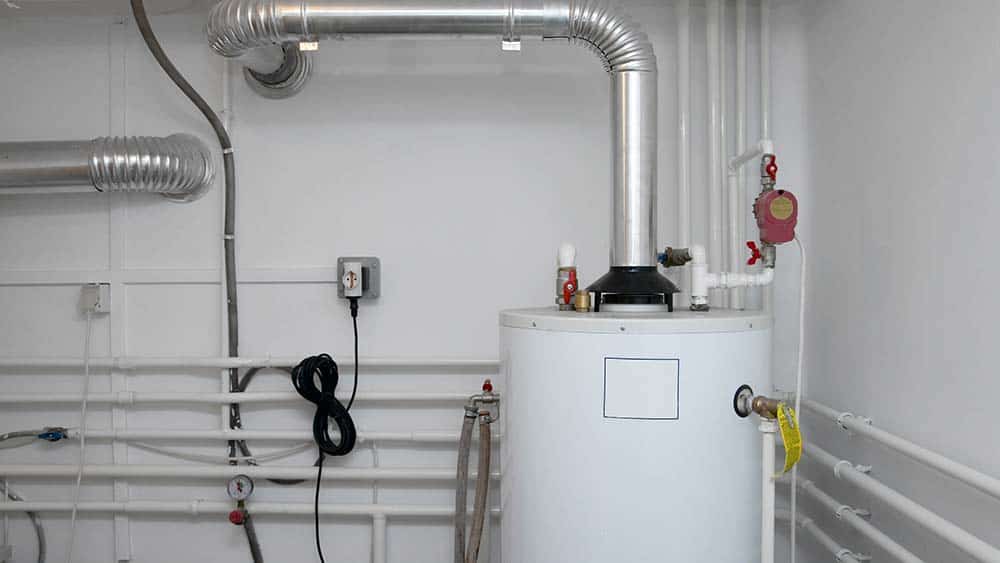
Water heater replacement cost NJ averages between $900 and $2,500 depending on the type and size of the water heater and labor rates in your area. Gas and electric models have different costs, and additional charges may be incurred for removal or upgrades.
Most plumbers in NJ will provide free quotes, which makes for easy comparison. Knowing these costs up front makes planning easier. The following paragraphs demystify key factors and identify ways to save on your replacement.
NJ Cost Breakdown
Water heater replacement costs in NJ are influenced by several variables. The state average still runs higher than the national average by some 15%. The investment is representative of local labor, regulatory, and demand dynamics. The average replacement cost in NJ is between $1,505 and $4,210, while the average national replacement cost is $1,396. Installation costs vary depending on unit type, site requirements, and the time of year when demand is greatest.
1. Unit Price
NJ Water Heater Installation Cost Breakdown. The cost of a new water heater in New Jersey depends on both type and size. Average tank units begin around $600, but tankless models can top $2,205, particularly those touting high-efficiency credentials. For larger-capacity tanks, which are more than 180 liters, the prices are higher, and they are typically selected by families or people with higher demand for hot water.
A common 180-liter tank-based unit hovers around $700, while a top-of-the-line tankless system may be as much as $2,600. Trusted brands count here. With trusted brands, there are fewer repairs, more efficiency, and longer life. Higher up-front costs balance out over time.
2. Labor Rates
The second largest cost driver is labor for installation. NJ Plumbing Cost Breakdown You’ll find plumbers in NJ charging by the hour, with rates ranging from $60 to as much as $100, depending on experience and license. Licensed pros generally charge a bit more, but this can guarantee local code compliance.
Install difficulty adds hours. Tank swaps tend to be around 4 hours, but tankless can take 6 to 8 hours. Rerouting pipes or venting are more complex jobs and can push labor costs higher. It’s smart for homeowners to gather a few estimates in order to compare labor rates and scope.
3. Permit Fees
New Jersey law mandates a permit for any water heater. Permit and inspection fees are typically between $50 and $150, though several municipalities charge higher amounts depending on the scope of the project. Permits aren’t just a formality; they ensure the work meets local codes and safety standards.
Skipping permits can lead to fines or insurance problems. By factoring in permit fees into your replacement budget, you avoid surprises.
4. Material Costs
Standard materials to install might be a new vent pipe, connectors, insulation, and pressure relief valves. Materials will range from $100 to $300, depending on the system. On top of this, premium connectors or special venting for tankless units can contribute to this.
Premium materials might sting a bit more on the initial price point, but they ward off leaks and system breakdown. I always ask for an itemized quote because I think homeowners should know exactly what they’re paying for.
5. Disposal Fees
Local regulations require that we do a proper disposal on that old water heater. That usually entails a disposal fee, usually between $40 and $80. Certain plumbers offer this service as part of their package, while others charge a separate fee.
Old units can be recycled or donated, which helps reduce costs where permissible. It is best to see if disposal is included before you hire a contractor.
Heater Types
Heater type affects installation cost, energy consumption, and comfort. Primary types are tank, tankless, and heat pump water heaters. Each type utilizes unique methods to heat water and is available in both gas and electric powered units. The right model coincides with household hot water needs, provides maximum energy savings, and matches your budget.
The table below outlines core pros and cons for each type:
| Type | Pros | Cons |
|---|---|---|
| Tank | Lower upfront cost, easy to install, reliable | Higher energy use, limited hot water, shorter life |
| Tankless | Energy efficient, endless hot water, compact | Higher initial cost, complex install, may need upgrades |
| Heat Pump | High efficiency, lower running cost | High upfront price, needs space, best in warm areas |
Tank Heaters
Tank water heaters, or storage heaters, heat and contain a large amount of water, typically between 150 and 300 litres. These are the standard units seen in most homes and come in electric and gas models. A new tank water heater, installed, will typically cost between €600 and €1,400 depending on capacity and brand.
One of the key advantages is the reduced initial expense. Tank heaters are easy to install, particularly when you’re swapping out an old tank. Most plumbers and contractors know this type like the back of their hand, so it is a breeze.
Tank heaters can only do so much. Hot water supply is limited by tank size, and recovery time, how fast the tank heats water, can be slow. Energy is consumed in maintaining water hot at all times, further contributing to monthly bills.
Tank heaters typically last anywhere between 8 to 12 years. Some of the popular models are AO Smith ENS series and the Rheem Performance, both offered in electric and gas variants.
Tankless Heaters
Tankless water heaters work by delivering hot water when you need it, so they heat the water on demand using either electric coils or gas burners. They don’t have water storage, so there is no standby energy loss. This design conserves space and has the potential to reduce energy costs in the long run.
The primary negative is the increased cost. An average tankless system will run you somewhere between €1,200 and €2,800 installed. The installation might necessitate modifications to gas lines or electrical panels.
Even still, tankless heaters can persist for 20 years, nearly twice as long as many tanks. Long-term savings are from reduced energy consumption and from never running out of hot water.
Most opt for units like the Stiebel Eltron Tempra or Rinnai V series, both recognized for dependability and performance.
Heat Pump Heaters
Heat pump water heaters consume electricity to extract heat from the air and transfer it into the water tank. They’re much more efficient than traditional electric heaters, consuming less power to deliver the very same quantity of hot water. Upfront expenses are steeper, ranging from €1,500 to €3,500 installed.
Energy bill savings can be substantial, particularly in mild or warm climates where these heaters are most effective. They require clearance for air circulation and might not be as effective in colder locations.
Most heat pump heaters operate optimally in rooms that are warmer than 7 degrees Celsius. Units such as the Rheem Performance Platinum and Stiebel Eltron Accelera are fan favorites with proven energy savings and extensive warranties.
Fuel Source Impact
Your fuel source determines both the initial replacement cost and continuing expense of your water heater. Natural gas, electric, and propane heaters all come with their own combination of price, efficiency, and environmental impact. In regions such as New Jersey, where prices fluctuate on both sides of the national averages, the proper selection can go a long way for homeowners.
Considering fuel access, appliance lifespan, and regional pricing assists in selecting a solution that matches budget and family requirements.
Natural Gas
Natural gas water heaters are especially notable for their reduced operating costs. In New Jersey, gas tankless units are approximately $305 per year, which is much lower than electrics. Installation requires a gas line hookup, which can occasionally cost a few hundred extra or more for new piping or meter upgrades.
Venting is crucial with gas heaters. Safe installation can require additional effort for flues or exhaust systems, particularly in vintage houses. These measures can increase initial expenses but are necessary for safety and code adherence.
Over time, gas water heaters usually earn themselves back in savings. With our natural gas rates 27% lower than the national average, large families at home in New Jersey can save over $1,000 per year. Over 15 years, that discrepancy adds up, and families could spend $12,000 less operating gas versus electric tankless units.
Electric
Electric water heaters are convenient to set up and straightforward to service. They don’t need to be vented or have fuel stored, which makes them a fan favorite for apartments or houses with no gas connection. Installation can be faster and less disruptive and has fewer safety concerns than gas.
However, expensive electricity rates can push operating costs higher. In New Jersey, rates are $0.25 per kWh, 51% above the national average. This translates to electric tankless heaters averaging approximately $1,123 per year in operational costs, far exceeding those of gas models.
Electric models bounce back more sluggishly after intense use, which might not be suitable for bigger households. For popular electric tankless water heaters, such as the Stiebel Eltron Tempra or EcoSmart ECO series, the unit itself ranges from $350 to $600. As much as these models are inexpensive on the front end, the increased operating expenses make them less appealing from a long-term savings point of view.
Propane
Propane water heaters provide an option where natural gas isn’t available. They provide the most value and are frequently the selection of rural or off-grid homes. With propane installed, you’re paying for a storage tank that costs between $400 and $1,000 or more, and refills on a consistent basis.
Propane prices are likely to be less stable than gas or electric, so your annual costs may fluctuate with the market. Efficiency is a hallmark of propane units, with many being 90 percent efficient. Medium hot water users often find propane a great fit where gas lines are not available.
Brands such as Rheem and Rinnai have propane tankless models available from $700 to $1,500 excluding installation.
Hidden Cost Factors
Water heater replacement in New Jersey, like most other places, typically exceeds the cost of the unit and standard installation. A lot of homeowners are surprised by unidentified costs along the way. Knowing what these hidden factors are can assist with effective planning and budgeting so you don’t get hit with unanticipated financial strain.
Code Upgrades
Local building codes are not fixed. They evolve. During water heater replacement, installers may discover that the current configuration is no longer up to code. You may need upgrades to plumbing or electrical systems, and these can come with hefty costs.
For instance, if the code now mandates that the water heater be elevated 45 centimeters off the floor, homeowners might need to invest in a special base. There might be required seismic straps or expansion tanks in certain areas in order to prevent fines and keep the system safe. These aren’t optional, and missing them can really cause you state and insurance headaches.
Labor for compliance upgrades may be two to three times the standard installation, depending on work scope.
Location Changes
Moving a water heater to a new location within the home is almost never easy. It usually means running new pipes or wires, ripping into walls, or diverting venting. This additional complication drives up both material and labor prices.
There are often hidden cost factors. If you move the unit from a basement to a garage, you may need new drainage, a raised platform, or extended electrical supply. You should consider the expense of fixing holes in walls or floors post-move or the cost of new fixtures.
If you’re planning a location change, be sure to get a detailed estimate before work begins to avoid sticker shock.
Venting Modifications
Proper venting is a must for gas and some electric water heaters. Not venting properly can cause dangerous gas leaks or suboptimal performance. Venting means modifying or installing new venting systems might be needed when swapping out older models, particularly if new efficiency standards are involved.
These alterations contribute to labor and material costs and often necessitate expert evaluation to maintain security. For instance, opting for a power-vented unit instead of a standard one could require you to install all new venting.
Venting changes can be as small as minor adjustments or as big as major overhauls, depending on the home’s layout.
Plumbing Adjustments
Old plumbing might not fit the new water heater. There are hidden cost factors like upgrading old pipes, which can be really expensive, or adding insulation. Changing pipe layouts can also add to the costs.
Labor fees can jump if unforeseen plumbing problems arise during installation. Sometimes pipes have to be replaced outright for compatibility, which can send the total project cost soaring.
Homeowners need to do some early plumbing detective work, or have it done for them, to minimize surprises when attempting to budget for the replacement.
Saving Money in NJ
Water heater replacement in NJ is a big expense, particularly given the state’s high cost of living and additional permit requirements. Homeowners pay an average of $1,200 to $4,500 for standard models, and tankless variants range from $3,850 to $6,495. Prices run higher in North Jersey, moderate in Central, and are above national averages in South Jersey.
Securing the right model, accounting for hidden costs like wiring or permit fees, and understanding the market can assist in alleviating these costs.
Actionable tips for saving:
- Take several quotes from licensed plumbers before you decide.
- Inquire about sneak costs, such as electrical or gas line enhancements.
- Select the water heater type for your home and energy consumption.
- Factor in permit and inspection fees upfront.
- Search for rebates and incentives from the state or utilities.
- For potential contractor discounts, think about installing during off-peak periods.
- Look into financing or payment plans to cover big upfront costs.
State Rebates
A ton of New Jersey folks can collect state rebates for installing energy-efficient water heaters. Frequently, these are based on ENERGY STAR® models. To be eligible, homeowners typically have to work with licensed contractors and comply with all permit stipulations.
The application process is pretty simple, too. Once you’ve had it installed, just send your proof of purchase, permits, and model information to the corresponding state agency.

Savings from these rebates can be amazing, sometimes wiping hundreds of dollars off the bill. For example, NCEP has up to $700 back for qualifying high-efficiency gas water heaters and $300 for select electric heat pump units.
These rebates save you money upfront and incentivize long-term savings via reduced utility bills.
Utility Incentives
Local utility companies might have their own incentives for energy-efficient water heaters, too. These can be direct rebates, reduced rates, or even special financing. Homeowners should check with their utility provider in advance of beginning the work.
Programs come and go and eligibility varies geographically. Sometimes incentives can cover part of the installation cost or offer bill credits for selecting efficient models.
These offerings help counterbalance the higher initial cost of sophisticated water heater units. Never hesitate to inquire with utilities about these programs and the application steps.
Off-Season Timing
Scheduling installation during off-peak seasons, typically late fall or early spring, can affect price. Contractors sometimes give discounts when business is slow and appointments are easier to schedule.
Planning ahead avoids the winter breakdown rush. Service fees and material prices occasionally fall during sluggish months. Homeowners who plan will often find better deals and more skilled installers available.
Off-season timing is a great way to keep costs down, particularly with everything else in NJ being so expensive!
Long-Term Value
Long term value counts when selecting a water heater. Upfront price is only part of the story. True savings or expenses accumulate over years with energy bills, repairs, and durability. A lot of homeowners consider convenience, cost, and reliability. The smartest investment is one that works well, is energy efficient, and endures.
Energy Efficiency
Energy-efficient water heaters decrease monthly utility bills, typically in ways that accumulate each year. For instance, gas tankless units can save one hundred fifty to three hundred dollars per year in energy, or three thousand to six thousand dollars over twenty years. Most efficient units have the ENERGY STAR label, known globally for strict adherence to standards.
Seeking out this label allows homeowners to select models that have been proven to use less energy and reduce costs. These are some different kinds of efficient heaters in NJ. Tankless gas models, hybrid electric, and high-efficiency storage tanks are all choices.
All three use less power than standard models, which makes them a great option for anyone looking at long-term dollar savings. More efficient units require additional upfront dollars, but the decrease in monthly payments usually covers the gap within a couple of years. Over the lifetime of the heater, these savings far outweigh the higher upfront cost.
Unit Lifespan
Water heater lifespan is essential to value. The majority are good for 10 to 15 years, but some, with proper maintenance, can perform beautifully for over 20 years. Routine maintenance such as flushing the tank and inspecting for leaks can extend units’ lifespans and efficiency.
Homeowners who proactively replace units before they fail sidestep emergency repair expenses and unexpected service disruptions. Tracking the age on a water heater aids in planning for the next purchase, which translates to fewer surprises and more budget control.
If you anticipate a heater to have a 20-year lifespan, you can amortize the cost over more years. Electric units are popular among those seeking a secure and straightforward installation, but they don’t always have the life duration that some gas alternatives do, which means they’re not quite as much long-term value.
Warranty Coverage
Warranty coverage provides peace of mind and protects you from large repair bills. Most warranties are for parts and labor for five to twelve years, but there’s some variation in terms. It’s wise to read the fine print. Some cover only components, not labor, or you have to service regularly to keep it valid.
Warranty Length and Coverage – Comparison shopping warranty length and coverage assists in selecting the right unit. Better warranties tend to have higher upfront costs, but they can save much more if a major part fails. Opting for a water heater with a strong warranty is one way to guarantee the investment endures.
Conclusion
If you want a new water heater in New Jersey, you’re going to pay for more than just the unit. Labor, permits and disposal can all add up quick. Fuel type shifts price ranges, and brand or size can drive it higher. Simple features frequently provide genuine value. Even a small step, such as inquiring about local rebates, can assist in saving. Gas and electric heaters both have advantages and disadvantages, so see what suits your needs best. Assume the entire cost, not just the sticker. Here’s some plain info to help your selection. For additional advice or to compare quotes, contact a reputable local pro. If you get the facts first, you can make a smart choice.
Frequently Asked Questions
How much does it cost to replace a water heater in New Jersey?
New Jersey replacement cost averages between $1,000 and $2,500. Costs vary by type, capacity, and installation difficulty.
Does the type of water heater affect the replacement cost?
Sure, tankless units often cost more to install than tank heaters. Bigger or more advanced systems can drive up costs.
What impact does the fuel source have on water heater cost in NJ?
Natural gas or electric heaters are typical. Gas models might be more expensive initially, but they will pay for themselves in energy savings over time.
Are there hidden fees when replacing a water heater?
Sure, permit fees, removing the old unit, and any necessary plumbing upgrades can all contribute to the overall cost. Never accept a verbal estimate.
How can I save money on water heater replacement in NJ?
Compare quotes from licensed pros. Check for rebates, energy-saving models and regular maintenance to prolong your unit’s life.
Is it worth investing in an energy-efficient water heater?
Yes, energy-efficient models can be more expensive upfront, but they reduce your energy expenses and provide superior long-term value.
How long does a water heater last in New Jersey?
Most water heaters endure for 8 to 12 years. Depending on maintenance and water quality, the lifespan may be affected.