
Key Takeaways
- Tankless water heaters provide hot water on demand, avoiding standby heat loss and saving energy compared to conventional storage tanks.
- Tankless systems work well. Their effectiveness is largely dependent on flow rates and installation, whether in new construction or retrofitted into existing homes.
- From gas to electric and even hybrid options, there are plenty of types of tankless water heaters to suit your household and space.
- Routine maintenance, including descaling and filter cleaning, is crucial, particularly in hard water regions, to uphold efficiency and prolong the unit’s life.
- Tankless systems typically have higher initial installation costs. The energy savings over time can compensate for this, particularly in households with fluctuating hot water demands.
- Key points to consider when selecting a water heater are your household’s hot water requirements, the space available, water quality, and cost-effectiveness over time.
Tankless water heater pros and cons provide a transparent glance at what to anticipate in making the leap from tank to no tank.
Tankless units heat water as you need it, potentially saving space and often reducing energy costs. Others experience flow or up-front cost limitations.
Understanding both sides gives you a leg up in considering what is the best fit for your home or budget. The body will explain each of these so you can make an intelligent decision.
On-Demand Heating
Tankless water heaters, or as they’re sometimes called, on-demand heaters only heat water when it’s needed. That is, it doesn’t have to keep hot water sitting in a tank, meaning it doesn’t burn energy making water hot nobody needs. On-demand systems eliminate standby heat loss.
This may result in both energy and cost savings over time, particularly in households with extended or above average hot water needs. One reason why these units frequently last for more than 20 years is that tanks typically need to be replaced after 10 years.
The Mechanism
Tankless water heaters function by flowing cold water across a powerful heat source immediately when a tap is opened. The heat source may be a gas burner or an electric element. Flow sensors within the unit detect when water begins to flow and initiate immediate heating.
This rapid response time means warm water is typically delivered within seconds. An initial cold rush, known as the “Cold Water Sandwich Effect,” can occur. Temperature control settings allow users to select precise heating based on their needs, saving energy and avoiding scalds.
New models include digital panels for simple adjustments. Powerful heat exchangers inside the unit extract heat from the power source and transfer it directly to the water, ensuring maximum efficiency. These small but crucial features combine to make a system capable of delivering 2 to 5 gallons (7.5 to 19 liters) of hot water per minute.
The Contrast
| Feature | Tankless Water Heater | Traditional Storage Tank Heater |
|---|---|---|
| Energy Efficiency | 8–34% more efficient | Lower efficiency |
| Hot Water Supply | Continuous, on-demand | Limited by tank size |
| Lifespan | 20+ years | 10–15 years |
| Space Needed | Compact, wall-mounted | Large floor space required |
Tankless water heaters typically require more involved installation. Gas units may need venting, and electric ones commonly need a 200-amp panel, so that can translate to additional work for older houses.
Conventional tanks are more uncomplicated but occupy more room and can be depleted of hot water after high usage. Tankless options are more compact and easier to squeeze into small homes or apartments. Tankless systems have lower maintenance needs, as there’s less chance of rust and sediment build up.
The Types
Tankless water heaters are available in both electric and gas varieties. Gas heats up water faster but must be vented. Electric ones are simpler to install but require an adequately robust electrical panel.
Condensing gas tankless heaters utilize the residual heat from the exhaust gases, enabling them to be even more efficient when serving large households. Mini tank water heaters fit perfectly in small spaces like studio flats, offices, or one sink.
A handful of hybrid models combine the tankless technology with a small storage tank, providing a compromise for customers who desire instant hot water but want a buffer during peak periods.
The Verdict
Tankless water heaters provide a combination of efficiency and convenience. It usually comes down to a trade-off between price, power consumption, water pressure, space, and life expectancy. Your personal demands and lifestyle have a lot to do with discovering the optimal system.
Tankless models are ideal for those who require hot water dispersed throughout the day but don’t have the space for cumbersome units. The increased cost and upkeep required should be considered against these advantages.
1. Cost Analysis
The sticker cost of tankless water heaters is significant. It can cost considerably more to purchase and install a tankless model than it can with a traditional tank heater. The premium price accounts for the unit and custom installation, which might require new wiring or gas lines.
Certain areas might even necessitate permits or trade services, further increasing the total. Energy savings can go a long way towards helping to offset these up front expenses. Tankless units heat water only when you need it, thus circumventing the standby heat loss of tanks.
For moderate to heavily used homes, this translates to consistent savings on monthly energy bills. The overall savings varies with local energy costs. Higher rates make tankless systems more economical. For most, the payback doesn’t occur until a few years down the road.
Compared to conventional tanks, the extended longevity of tankless heaters—typically 15 to 20 years compared to 10—pushes the scale in the direction of long-term savings even further.
2. Energy Use
Tankless water heaters consume energy only when it is needed, so they do not experience the inefficiency of heating water all day. This on-demand design is perfect for users or families who consume hot water at staggered times, such as showering, washing laundry, or dishes.
Energy efficiency ratings can assist buyers in selecting the most suitable model. A higher rating usually translates into cheaper operating costs. Gas tankless units often provide more efficiency than electric. Fuel type should align with local availability and price.
Homes with sporadic hot water use patterns benefit the most, while those with consistent high demands may not see as much of a difference.
3. Water Flow
Flow rate is the ticket to tankless heaters. It gauges the maximum hot water it can dispense in a minute. If multiple people require hot water simultaneously or appliances operate concurrently, a single unit can have difficulty keeping up.
Larger homes or families with high demand should check flow rates to confirm the system’s flow rate is sufficient. Plumbing configurations are important too. Extended pipe runs or antiquated systems can delay water and diminish effectiveness.
4. Space Savings
Tankless water heaters are compact and wall-mounted, which makes them a great option for tiny houses or apartments. On top of having no tank to lug around, users liberate floor space that can be used for storage or other purposes.
This flexibility lets you install in tight spaces, such as closets, utility rooms, or even outdoors. The additional room can assist in maintaining tidier living areas and simplify appliance upkeep.
5. Lifespan
Tankless water heaters typically have a lifespan of 15 to 20 years with proper maintenance. That’s roughly double the life of regular tanks. Routine maintenance, such as flushing out mineral deposits, is necessary to maintain their efficient operation, particularly in hard water locations.
A high quality unit and clean water will extend a tankless heater’s life. Fewer replacements lead to less hassle and waste in the long run.
Installation Realities
Tankless water heaters have different installation requirements than storage tanks. How and where they’re installed varies according to whether your project is new construction or a retrofit. Venting, gas lines, plumbing, and local codes can alter what’s needed and impact total cost.
New Construction
| Benefit | Description |
|---|---|
| Space saving | Wall-mounted, compact size—frees up floor area in utility rooms |
| Flexible placement | Can be installed closer to points of use, reducing wait time |
| Energy efficiency | 8%–34% more efficient than storage tanks, depending on use |
| Future-ready tech | Easily integrates with smart home and monitoring systems during design phase |
As builders, we can design plumbing layouts with short pipe runs between the heater and fixtures. This reduces the time it takes for hot water to reach taps, saving water and energy. Installing units adjacent to high-use areas, such as kitchens or bathrooms, can keep temperature consistent and minimize heat loss.
Smart tech can be integrated into tankless systems right from the get-go. Others connect directly with home automation, allowing users to control temperature, track usage, or schedule settings from a phone or tablet. Taking these options into consideration early on can help make your house appealing and functional for future tenants.
Energy savings build long-term value as well, particularly in areas with expensive utilities. Over a lifetime, that extra initial expense, typically $1,000 to $2,500 or more, can be recouped through lower energy bills and longer intervals between replacement than storage tanks.
Existing Homes
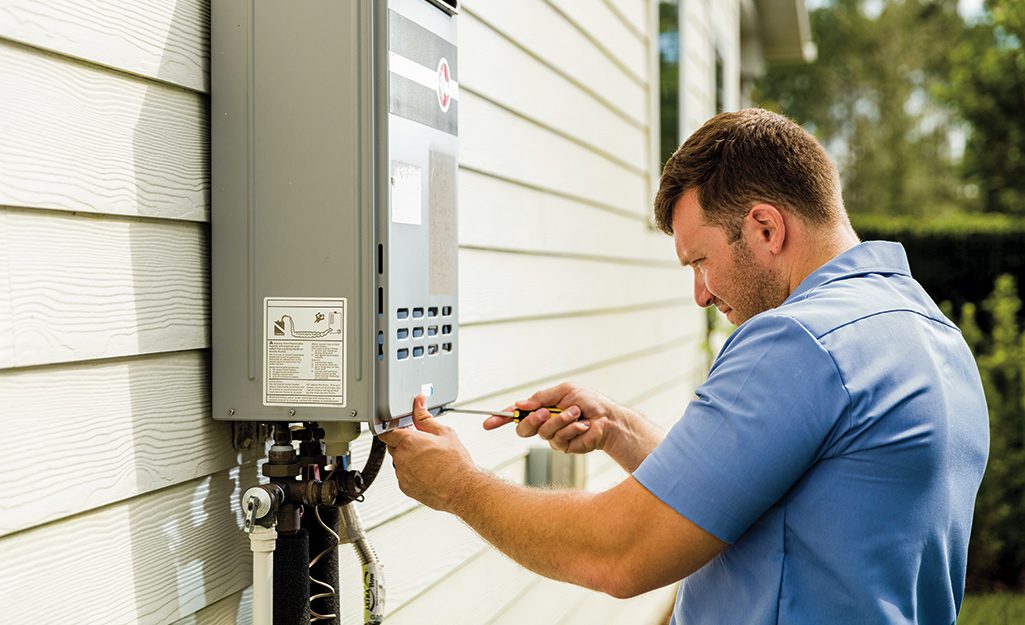
It’s more of a pain to retrofit a tankless water heater. First, rip out the old tank and see if your wall will hold a new, wall-mounted unit. Next, evaluate gas or power availability. For instance, they might need to retrofit gas lines for higher demand or inspect electrical service to support the additional load.
Installation realities sometimes require two or more tankless units to be installed for peak demand. Plumbing might require reworking. Tankless systems tend to work best with shorter, more direct lines to the fixtures. Older homes with long pipe runs can drag hot water delivery.
Reconfiguring pipes for more efficiency can be complex and expensive. Verifying if the electric is up to code is particularly important in older houses. Certain tankless units require new circuits or panel upgrades. Not doing this can result in poor performance or hazards.
Professional installation is highly advised. Licensed plumbers understand how to size the system, venting, and local codes. DIY is okay, but only after reviewing the manufacturer’s instructions and local regulations.
Codes and Compliance
Each country and local jurisdiction has its own regulations for water heater installation. They address venting, gas line size, water connections, and electrical safety. Failure to do so can mean fines, voided warranties, or even unsafe conditions.
Installers need to verify and comply with all local requirements.
Long-Term Care
Tankless water heaters require regular maintenance to keep them operating optimally for years. Unlike storage models, these have tiny components operating under intense heat and pressure, so a bit of mineral buildup or an overlooked check can cause major issues further down the line. The steps below help owners sidestep expensive failures while managing energy consumption and water quality.
- Descale the heat exchanger at regular intervals, particularly in hard water areas.
- Clean inlet screens or filters to prevent blockages.
- Inspect for leaks, corrosion, or loose wiring.
- Check venting and air intake systems for obstructions.
- Test safety controls and temperature settings.
- Review the warranty and follow the maker’s care guidelines.
Descaling
Scale from minerals such as calcium and magnesium can accumulate inside the heat exchanger. This barrier impedes heat flow, so your unit must work harder. Over time, it can clog pipes, increase energy consumption, and cause shutdowns.
In hard water locations, descaling is mandatory. Most manufacturers recommend this every 6 to 12 months, but homes with high mineral content may need it earlier. To descale, owners can pump a vinegar solution or a commercial descaler through the system.
In certain systems, you get ports for easy access, while in others, you have to partially tear down. If skipped, descaling problems can cause sudden hot water drops or expensive repairs.
Filter Cleaning
Tankless heaters usually have one or more filters to catch debris and sand before it gets in. These screens defend the heat exchanger and maintain water flow. How frequently to do so depends on local water quality.
For well water, it is once per month, or for treated city water, it is every few months. Cleaning involves turning off the water, unscrewing the filter, rinsing it under running water, and reinstalling.
A few filters require a gentle scrub, while others need only a rinse. If you skip it, you can slow water flow, add stress to the unit, and leave hot water with strange tastes or odors. Routine filter cleaning is one of the easiest things you can do to keep the system running smoothly and reduce energy bills.
Water Quality Impact
Water quality influences the performance and longevity of tankless water heaters. Elements such as mineral levels and pH can affect system performance, maintenance costs, and the user experience. Hard water, prevalent in many areas, contributes additional minerals that can create issues. Soft water can keep tankless systems running smoother and living longer.
- Hard water minerals cause scaling to build up inside the heat exchanger.
- Scaling reduces efficiency, increases energy consumption, and can reduce equipment life.
- Frequent descaling or additional filtration creates maintenance and expenses.
- Soft water diminishes scaling, decreases servicing, and extends heaters’ life.
- Bad water quality, such as low pH and high minerals, can reduce flow rates and interfere with temperature control.
- A water softener will improve your heater efficiency and reduce maintenance.
- Water quality management ensures steady heating and reliable hot water.
Hard Water
Hard water is simply water with an excess of calcium and magnesium in it. These minerals travel through the tankless heater and deposit inside the heat exchanger as hard deposits called scale. Scale is like insulation, preventing heat transfer. The system will work overtime to heat water. This can reduce efficiency and cause the heater to consume more energy for the same work.
If you notice your water is flowing more slowly, making strange noises, or not as hot as it once was, it may be a sign of scaling. Over time, these problems compound. Uncontrolled, scale can even clog or damage the heat exchanger, resulting in costly repairs or premature replacement.
Regular descaling is the principal means to combat scaling. A number of manufacturers recommend flushing the system every 6 to 12 months if your water is hard. Filtration units can assist by capturing certain minerals prior to the heater. A few have both filters and occasional cleaning to keep things humming along.
Hard water, once fixed, has long-term benefits. Heaters run smoother, longer and don’t require servicing as frequently. This translates into less cost over time and less catastrophic shocks from busted components or ice cold showers.
Soft Water
Soft water is virtually devoid of calcium and magnesium. This allows tankless water heaters to operate with minimal scale accumulation, keeping them efficient for longer. Units in soft water areas require less maintenance, which reduces service costs and service time.
With soft water, scaling is uncommon and descaling requirements plummet. A self-cleaning heat exchanger can maintain a consistent flow rate and consistent water temperature even after years of use.
Energy use could go down as well. No mineral deposits or scale to get in the way. The heater can transfer heat to the water with less dissipation. This frequently translates to lower energy bills and a smaller carbon footprint.
A water softener is a smart addition, particularly in mineral-rich locales. It shields the heater, minimizes service and maintains steady hot water for years to come.
The Human Factor
Tankless water heaters are influenced by the human element of hot water use at home. Whether a system works well is a matter of daily habits, size of family, and routines. These human factors can make or break the advantages of instant heating. Every household is different, so you should look at the lifestyle and user preferences and how they align with tankless technology.
A household that distributes hot water usage throughout the day could experience very strong results with a tankless system. If there are multiple appliances or even showers running at once, a single tankless unit may not keep pace. If you’re in a colder location as I am, you’ll observe hot water takes longer to reach the optimal temperature. Big families with shower overlap could opt for a bigger one.
Individuals who consume small quantities of hot water at once can reduce energy costs by about 30%. The extended lifespan of tankless water heaters, up to 20 years, can resonate with those who plan to remain in their home. Energy-conscious folks gain because tankless units are 8 to 14 percent more efficient for large households. Red blooded convenience junkies will appreciate the stable output of 7.5 to 19 liters per minute.
Lifestyle Fit
Tankless water heaters align with contemporary houses that seek to conserve energy and reduce waste. They’re less bulky than big tanks, which comes in handy in smaller apartments or homes. A lot of owners love the fact that water is only heated when it’s needed. This on-demand methodology fits hectic lifestyles and fluctuating agendas.
For families with varying hot water usage, tankless models provide flexibility. If someone showers in the morning and others rinse with water in the evening, the heater kicks in. This prevents standby heat loss from maintaining a tank hot all day.
Tankless systems are great for green living. With less standby loss and more efficient heating, a few users find lower energy bills and a reduced carbon footprint. This can back a move toward more sustainable decisions.
Certain individuals have to operate a washing machine and a shower concurrently. One tankless unit might not be able to keep up. In such instances, a second unit or point-of-use heaters can assist. Users should survey their home’s needs prior to selecting a system.
User Experience
As a human factor, numerous users note consistent results from tankless heaters, particularly if hot water demand is staggered. The trick is sizing the system to the home’s needs. Some users discover that the water flow rate of approximately 7.5 to 19 liters per minute is sufficient for most of their needs, but not for multi-tasking.
Frequent comments focus on the wait for hot water, which can be extended in frigid areas. Others note that the controls are simple to operate and adjust, so the system is kid friendly. Some homeowners appreciate that you cannot run out of hot water mid-shower.

Explicit directions and robust customer service count. Not everyone is handy enough to install a tankless heater, so plenty of people ask the manufacturer or call a pro. Great warranty terms and incredibly helpful support will make the switch less stressful and increase satisfaction for years to come.
Conclusion
Tankless water heaters provide a promise of endless hot water and space-saving convenience. Maintenance is easy with regular inspections. Many people love the reduced bills down the road. Installation may be more expensive initially and water quality is a factor. Every house has its own requirements, so consider usage, space, and budget. Some adore the instant-hot convenience for hectic households, while others believe old-fashioned tanks get the job done just fine. For the rest, life is more convenient with less waiting and less waste. To choose the right fit, consult a reputable local professional and inquire about practical application. Check out all the benefits and compromises before you buy. Add your comments or questions to continue the conversation for others in your feed.
Frequently Asked Questions
What are the main benefits of a tankless water heater?
Tankless water heaters supply hot water as you need it. They are energy efficient and space saving. Such systems have the ability to reduce energy costs and outlive conventional tanks.
Are tankless water heaters hard to install?
Installation can be complicated and might necessitate modifications to plumbing or electrical systems. It is always a good idea to go with a licensed technician for safe and proper installation.
Do tankless water heaters need a lot of maintenance?
Maintenance is required to prevent mineral buildup. Most systems need to be cleaned or flushed annually to maintain proper operation and maximize lifespan.
Does water quality affect tankless water heaters?
That’s right, hard water can wreak havoc with scale inside the unit. This can reduce efficiency and even decrease the heater’s lifespan. A water softener is helpful.
How do tankless water heaters affect energy use?
They heat water only as needed, which reduces energy waste. This in turn makes them more efficient than traditional storage water heaters.
Can a tankless water heater supply enough hot water for a large family?
A single tankless unit is inefficient when demand is high and multiple showers and appliances are in use. Bigger homes might require multiple units.
What is the typical lifespan of a tankless water heater?
With proper care, a tankless water heater can last more than 20 years. This tends to exceed the lifespan of conventional tank systems.